
Plants
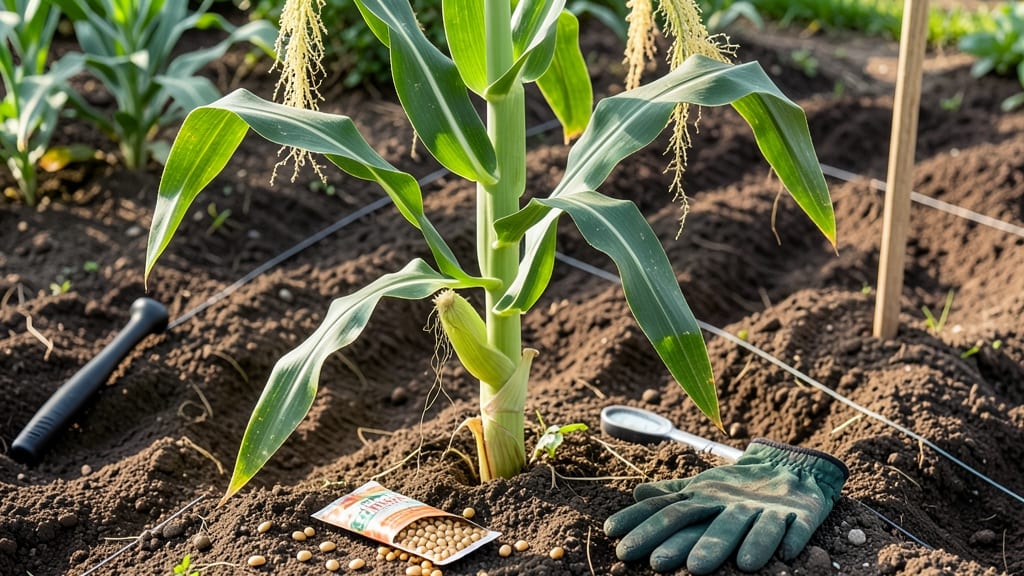
Planting corn in Idaho at the right time means the difference between a bumper crop of sweet, juicy 🌽 ears and a sad, stunted mess.
Idaho’s unique climate—cool mountain air, hot summer valleys, and unpredictable spring frost—can make or break your corn harvest if you plant at the wrong time.
Get the timing perfect, and you’ll enjoy sweet, tender ears straight from your garden; get it wrong, and you might end up with stunted plants or bolting.
Most Idaho gardeners aim to plant corn after the last frost date, which typically falls between mid-April in the south and early May in the north. But soil temperature is just as critical—wait until the ground warms to at least 50°F for strong germination.
In this guide, I’ll break down the exact planting windows for USDA Zones 5-7, share 5 critical factors that override generic dates, and recommend the best corn varieties for Idaho’s climate. Ready to grow your best crop yet?
Idaho corn planting calendar by USDA Zone 5-7: exact dates for frost-free success
Idaho’s USDA Zones 5-7 offer diverse microclimates, from Boise’s hot valley summers to Coeur d’Alene’s cooler lake-effect springs. To avoid frost damage or stunted growth, timing is everything. Corn thrives when planted after soil warms to 50°F+ and 2 weeks post-last frost.
In Zone 5 (northern Idaho), this often means waiting until late May, while Zone 7 (south-central Idaho) can start as early as mid-April.
Regional variations matter: Boise’s urban heat island can push planting dates 1-2 weeks earlier than rural areas, while mountain foothills may require delaying until June. Sweet corn varieties like ‘Silver Queen’ need 75-90 days to mature, while field corn like ‘Pioneer 33B15’ can handle 100+ days in Zone 6.
Here’s your zone-specific planting calendar with exact dates, soil temperature thresholds, and regional adjustments to ensure frost-free success.
For Zone 5 gardeners, prioritize early-maturing varieties like ‘Golden Bantam’ to avoid early fall frosts. These plants need 70-80 days to reach harvest, so planting by May 30 ensures ears form before September’s first frost.
Use black plastic mulch to warm soil faster and extend the season by 1-2 weeks.
In Zone 6 and 7, you have more flexibility. Silver Queen and Ambrosia thrive in Boise’s heat, but succession planting every 2 weeks from May to June guarantees a continuous harvest.
Monitor soil moisture—Idaho’s dry summers can stress corn, so deep watering 2x/week is critical during tasseling (July).
If you’re in Coeur d’Alene or Sandpoint (Zone 5), consider starter plants or a greenhouse to jumpstart growth. Direct-sow seeds after Memorial Day, but cover seedlings with frost cloth if nights dip below 40°F. Field corn varieties like ‘Pioneer 33B15’ can handle longer growing seasons in Zone 6-7, making them ideal for late-summer harvests.
Pro tip: Test soil temperature with a soil thermometer before planting. Corn seeds won’t germinate below 50°F, and cool soils can lead to rot or poor root development
5 Critical factors that determine your Idaho corn planting schedule (beyond the calendar)
Idaho’s microclimates and elevation shifts can throw off even the most precise planting calendar. While generic guides suggest mid-April to early June, real-world success depends on factors like soil moisture and row cover strategies.
These five variables often override the calendar—and ignoring them can mean the difference between a bumper crop and a failed patch.
For example, Zone 5 gardeners in northern Idaho (like those in Coeur d’Alene) may need to delay planting by 2–3 weeks compared to Boise, simply because of higher elevations.
Meanwhile, black plastic mulch can push your planting window back by 3–4 weeks, giving you a second chance if spring frosts linger. Let’s break down these game-changers so you can plant with confidence.
- 🌡️ Soil Temperature: Wait until soil reaches 50°F+ (use a soil thermometer—corn won’t germinate below 50°F). In Idaho’s Zone 5, this could mean waiting until late May in mountain areas.
- 🏔️ Elevation Adjustments: Add 1–2 weeks for every 1,000 ft above sea level. For example, McCall (4,000 ft) may need to plant 3 weeks later than Twin Falls (2,500 ft).
- 💧 Soil Moisture: Corn seeds need consistent moisture to germinate. If your soil is dry or rocky, water deeply 1–2 days before planting and keep it moist until sprouts appear.
- 🌱 Seed Depth: Plant seeds 1–1.5 inches deep in loose, well-drained soil. Deeper planting (2+ inches) can cause poor germination, while shallow planting (less than 1 inch) risks drying out.
- 🛡️ Row Covers/Mulch: Use black plastic mulch or floating row covers to warm soil and extend your planting window by 3–4 weeks. Remove covers when plants reach 6 inches tall to prevent overheating.
Let’s tackle soil temperature first—it’s the most overlooked factor. Corn seeds won’t germinate until the soil hits 50°F consistently. In Idaho’s Zone 5, this often means waiting until late May in cooler areas like Sandpoint, while Boise gardeners can plant as early as mid-April.
I always test my soil with a digital thermometer for 3–5 days to confirm stability.
Next, elevation matters more than latitude in Idaho. For every 1,000 feet you climb, add 1–2 weeks to your planting schedule. For instance, if Boise’s last frost date is April 15, planting in Sun Valley (6,500 ft) might not be safe until May 15.
Use Idaho’s USDA Plant Hardiness Map to cross-reference your elevation with local frost data.
Don’t skip seed depth—it’s a common mistake that leads to uneven germination. Plant seeds 1–1.5 inches deep in loose, well-drained soil. If your soil is clay-heavy, mix in compost or sand to improve aeration.
Pro tip: Use a seed starter kit to ensure even spacing and depth, especially if you’re planting multiple rows.
Finally, row covers and mulch can be your secret weapon for extending Idaho’s short growing season. Black plastic mulch warms the soil by 10–15°F, allowing you to plant 3–4 weeks earlier in spring or push harvests later in fall.
For Zone 5 gardeners, this means you might squeeze in a second planting in early July for a late-summer harvest.