
Plants
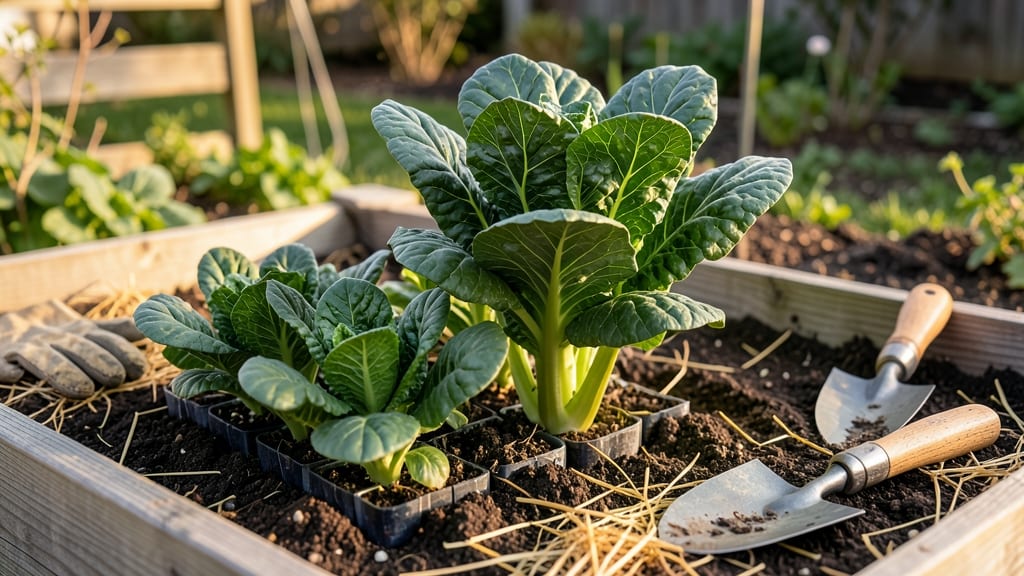
Planting collard greens in Georgia at the right time means the difference between sweet, tender leaves and bitter, tough greens that fight the heat.
Georgia’s long growing season and mild winters make 🥬 collard greens a perfect crop—but planting at the wrong time means bitter leaves or stunted growth. Get the exact weeks to plant for sweet, tender greens that thrive in Georgia’s heat and frost.
In 7a-9a zones, collards handle both fall and spring planting, but timing matters. Plant 4-6 weeks before the first frost (mid-November in the north, later in the south) for a fall harvest, or in early spring for a spring crop.
Miss the window, and you’ll end up with slow-growing plants or ones that bolt too soon.
Below, I break down the best planting schedule by region, heat-tolerant varieties that thrive in Georgia’s climate, and how to extend your harvest through frost protection and succession planting.
Best planting times for collard greens in Georgia: exact weeks before first frost
Collard greens thrive in Georgia’s mild climate, but timing is everything for sweet, tender leaves. Plant too early in summer, and your greens will bolt or taste bitter. Time it right, and you’ll enjoy a continuous harvest from fall through early spring.
Georgia’s frost dates vary dramatically between North GA (USDA Zone 7a) and South GA (USDA Zone 9a), so I’ll break down the exact weeks to plant for each region.
For North Georgia, the average first frost arrives around mid-November, while South Georgia can delay frost until late November or even December. This means your planting windows shift by 3-4 weeks depending on where you garden.
Let’s dive into the precise timing for both spring and fall plantings to maximize your yield.
🌱 PRO TIP: Collards are a cool-season crop, meaning they prefer temperatures between 50°F and 75°F. They’ll even sweeten up after light frost, so don’t rush to harvest when temps dip!
| Region | Average First Frost | Fall Planting Window | Spring Planting Window | Weeks Before Frost |
|---|---|---|---|---|
| North GA (Zone 7a) | Mid-November | August 15 - September 15 | March 1 - April 15 | 8-10 weeks |
| Central GA (Zone 8a) | Late November | August 20 - September 20 | March 15 - April 30 | 9-11 weeks |
| South GA (Zone 9a) | December 15 | September 1 - October 1 | April 1 - May 15 | 10-12 weeks |
For fall plantings, aim to sow seeds or transplant seedlings 8-12 weeks before your first frost. This gives collards enough time to establish roots and mature before cold weather sets in.
In North GA, start as early as mid-August, while South GA gardeners can wait until early September.
If you’re direct sowing seeds, plant them ¼-inch deep and 1-inch apart in rows spaced 18-inches apart. For transplants, space seedlings 12-18 inches apart to give them room to grow.
Transplants give you a 2-3 week head start over direct sowing, so plan accordingly if your season is short.
For spring plantings, wait until the soil warms to at least 50°F—usually mid-March in North GA and early April in South GA.
Spring-collards won’t mature as quickly as fall plantings, but they’ll still produce tender leaves by summer if you provide consistent moisture and light shade during heatwaves.
Adjust your timing if you experience early or late frosts. Check your local Cooperative Extension Service for updated frost dates, or use a frost calendar to plan. If frost hits unexpectedly, cover young plants with row fabric to protect them until they harden off.
Collards are perennial in Georgia’s climate, meaning they’ll often regrow after cutting back in spring. This makes them a low-maintenance crop once established. Just keep the soil moist but not soggy, and you’ll enjoy fresh greens for months!
🌿 REMINDER: Always test your soil pH (ideal range: 6.0-7.0) and amend with compost before planting. Healthy soil = healthier collards!
Heat-tolerant collard green varieties that thrive in Georgia’s climate
Georgia’s summer heat can turn collard greens bitter or cause them to bolt—but the right varieties handle humidity and warmth like pros. I’ve grown these top 5 heat-tolerant collards in my Atlanta garden, and they’ve delivered sweet, tender leaves even in 90°F+ temperatures.
The key? Choosing varieties bred for slow bolting and disease resistance in our USDA Zones 7a-9a.
Most collards struggle when daytime temps hit 85°F+ for weeks, but these varieties stay productive. They also resist common Georgia pests like cabbage loopers and aphids, which thrive in our damp summers.
I’ll break down their flavor profiles, maturity times, and why some handle our humid summers better than others.
Topper is my #1 pick for Georgia gardens—it’s the most heat-tolerant variety I’ve tested, with broad, dark green leaves that stay crisp even when other collards wilt. Mature in 55-60 days, it handles our 90°F summers without bolting, thanks to its slow-bolting genetics. The flavor is mildly sweet with a tender texture, perfect for sautéing or slow-cooking.
Georgia Southern lives up to its name—this variety was developed specifically for our state’s climate. It thrives in humid conditions and resists black rot, a common fungal disease in Georgia’s damp summers. Ready to harvest in 60-70 days, it produces large, savoyed leaves with a bold, slightly peppery flavor that improves after light frosts.
For fast harvests in late summer plantings, Blue Max is my go-to. This variety matures in just 45-50 days, making it ideal for succession planting when you need greens quickly. It handles partial shade better than most collards, which is helpful in Georgia’s intense afternoon sun.
The leaves are blue-green and crisp, with a mild, slightly bitter taste that mellows with cooking.
If you love extra-sweet collards, try Vates. This variety develops sugar-rich leaves when exposed to light frosts, which happen frequently in Georgia’s winter growing season.
It’s slow to bolt and handles our hot summers better than heirloom varieties. Mature in 65-75 days, it’s perfect for fall and winter harvests when other plants struggle.
Lastly, Champion is a disease-resistant workhorse that produces heavy yields in Georgia’s climate. It resists cabbage worms and aphids, two pests that plague my garden every summer. With large, smooth leaves and a balanced flavor, it’s great for year-round harvests when planted in succession.
Ready in 60 days, it’s my backup choice when I need reliability.
To extend harvests in Georgia’s heat, I mulch heavily with straw or pine needles to keep roots cool and water deeply in the morning to prevent stress. For late-summer plantings, I use shade cloth to protect seedlings from intense afternoon sun until they’re established.
With the right variety and care, you can enjoy sweet collards year-round in Georgia’s challenging climate! 🌱