
Plants
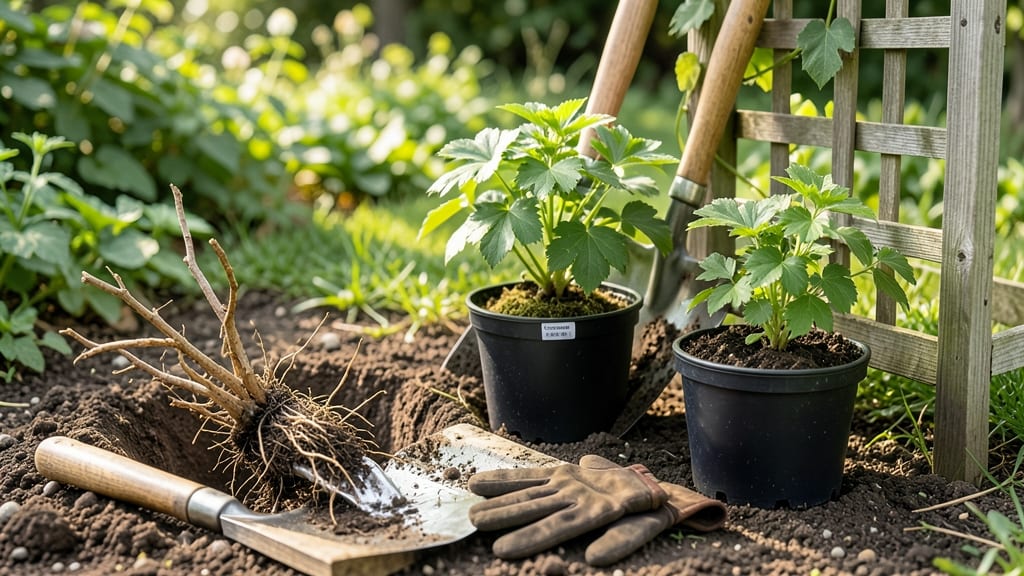
Planting clematis in Ohio between early spring and early summer gives your vines the best shot at strong roots before winter sets in.
Ohio’s unpredictable spring weather can make planting clematis a gamble—get the timing wrong, and your vines may struggle to establish roots before winter. But with the right zone-specific strategy, you can ensure your clematis thrives from the first season.
For Ohio’s USDA Zone 6a, aim for planting in April or early May, once soil temperatures hit 50°F. Fall planting is possible in September, but the risk of early frost means spring is the safer bet for beginners.
Below, I’ll break down the exact frost dates to watch, soil prep tips, and whether bare-root or potted clematis performs better in Ohio’s climate.
Ohio’s best planting months for clematis by hardiness zone
Ohio’s hardiness zones 5-7 create unique challenges for clematis growers. Unlike warmer climates, Ohio’s late springs and early frosts demand precise timing to give your vines the best chance. Plant too early, and frost will damage tender roots; too late, and summer heat arrives before roots establish.
The key is understanding your specific zone’s last frost date and soil temperature thresholds.
For zone 5 (northwest Ohio), where winters are harshest, fall planting offers a slight edge over spring. In zone 6 (central Ohio), both seasons work well if timed correctly. Meanwhile, zone 7 (southern Ohio) gardeners have the most flexibility, but even here, early spring planting requires soil warmth.
Let’s break down the optimal windows for each zone to maximize your clematis’s first-year success.
Soil temperature is your best gauge—clematis roots need at least 50°F (10°C) to grow actively. In Ohio, this typically occurs by mid-April in zone 7 but may wait until late May in zone 5. Fall planting, on the other hand, should happen 6-8 weeks before first frost (usually September-October), giving roots time to establish before winter dormancy.
| Zone | Best Planting Window | Soil Temp Threshold | Last Frost Date | Root Establishment Goal |
|---|---|---|---|---|
| Zone 5 | Late April - Early May (spring) OR September 15 - October 10 (fall) | 50°F (10°C) minimum | Average May 10 | 6-8 weeks before winter dormancy |
| Zone 6 | Mid-April - Mid-May (spring) OR September 20 - October 15 (fall) | 50°F (10°C) minimum | Average April 25 | 8-10 weeks before first frost |
| Zone 7 | Early April - Early June (spring) OR October 1 - October 20 (fall) | 45°F (7°C) minimum | Average April 10 | 10-12 weeks before frost |
🌱 Pro Tip: Use a soil thermometer to confirm readiness—clematis roots won’t thrive in cold soil.
In zone 5, where winters are longest, fall planting is often preferred because it allows roots to establish before the ground freezes. Aim to plant 6-8 weeks before your first frost—typically mid-September to early October. This gives roots time to grow before dormancy sets in.
For spring planting, wait until the soil warms to 50°F (10°C), usually late April or early May, and be ready to protect young plants if late frosts occur.
Zone 6 gardeners have a slightly longer window, but timing is still critical. Spring planting should occur when soil temperatures consistently stay above 50°F (10°C), often by mid-April. Fall planting extends to mid-October, giving you more flexibility.
If you choose spring, have your trellis or support structure ready—clematis vines grow rapidly once established, and they need something to climb immediately.
For zone 7, the mildest Ohio climate, you can plant as early as early April if the soil is workable, or even extend into early June for late plantings. Fall planting can go until early November, but aim for October to avoid winter stress.
Zone 7’s longer growing season means you can also experiment with bare-root vs. potted clematis—potted plants can handle earlier spring planting since their roots aren’t exposed to cold soil.
Regardless of your zone, avoid planting in extreme heat (above 85°F or 29°C). Clematis roots struggle to establish in scorching conditions, and the plant may go into shock. If you must plant in summer, choose a potted clematis and keep it well-watered until roots adjust.
Always mulch heavily (3-4 inches) after planting to retain moisture and regulate soil temperature.
One common mistake Ohio gardeners make is planting too deep. Clematis crowns should sit 4-6 inches below soil level to protect them from freezing winters. If planted too shallow, the crown may heave out of the ground during freeze-thaw cycles.
Conversely, planting too deep can suffocate the plant. Mark the planting depth with a stake if you’re unsure.
Finally, consider your clematis variety—some types, like Clematis montana, are more cold-hardy and can handle earlier planting, while others, like Clematis lanuginosa, prefer warmer soil. Always check the specific needs of your chosen variety before finalizing your planting date.
With the right timing, your clematis will reward you with vibrant blooms by mid-summer and years of climbing beauty.
🌿 Whether you’re a zone 5 veteran or a zone 7 newcomer, mastering these planting windows will give your clematis the strong start it deserves. Happy gardening!
Signs your Ohio soil is ready for clematis planting (and what to do if it’s not)
Ohio’s spring soil conditions can be tricky—too cold, too wet, or too dry can all delay your clematis planting and stunt root growth. The key is watching for three critical signs: soil temperature, moisture levels, and drainage.
When these align, your clematis will establish strong roots before winter, setting the stage for vibrant blooms next season.
First, check your soil temperature—it should consistently stay above 50°F (10°C) for at least 2-3 weeks. Use a soil thermometer to test 6 inches deep in the morning. If temperatures dip below this, roots won’t activate, leaving your plant vulnerable to late-season frost.
In Ohio’s Zone 6a, this usually means waiting until mid-April or early May, depending on your microclimate.
Next, assess moisture levels. Clematis thrives in well-draining but consistently moist soil. Stick your finger 2 inches deep—if the soil feels dry, water deeply until moisture reaches 6 inches down.
Overly soggy soil, common in Ohio’s clay-heavy regions, can suffocate roots. If your garden holds water for more than 24 hours, amend the soil with compost or perlite to improve aeration.
⚠️ WARNING: Planting Too Early or Too Late in Ohio’s Climate ⚠️
❄️ Cold Soil Risks
Planting clematis in chilly Ohio soil (below 50°F) triggers root dormancy, delaying growth by 3-4 weeks. Young roots may also rot if frost returns unexpectedly, a common issue in northern Ohio.
🌧️ Wet Soil Risks
Ohio’s spring rains can leave soil waterlogged, causing fungal diseases like root rot. If your garden stays soggy, opt for raised beds or container planting until drainage improves.
☀️ Solution for Unready Soil
If your soil isn’t ready, container planting is your best bet. Use a 5-gallon pot with well-draining potting mix and place it in a sheltered, sunny spot. Transplant to the ground in late May or early June when soil warms up.
🌱 Pro Tip: Mix in composted manure or aged compost to boost soil fertility and warmth.
If your soil is ready, prepare the planting site by mixing in 2-3 inches of compost and a balanced fertilizer (5-10-10) to encourage root development. Clematis roots are shallow, so focus on enriching the top 12 inches of soil.
For extra protection, mulch with 3 inches of shredded bark to retain moisture and regulate temperature.
Don’t overlook drainage tests—dig a 12-inch hole and fill it with water. If it drains within 4-6 hours, your soil is ideal. If not, consider planting in a raised bed or amending with sand and organic matter.
Ohio’s clay soils often need this extra step to prevent root suffocation.
Finally, time your planting to align with Ohio’s last frost date. While clematis can handle light frost, new growth is sensitive. Aim to plant 2-4 weeks after your area’s average last frost (typically April 15 in southern Ohio, May 1 in the north).
This gives roots time to establish before summer heat arrives.