
Trees
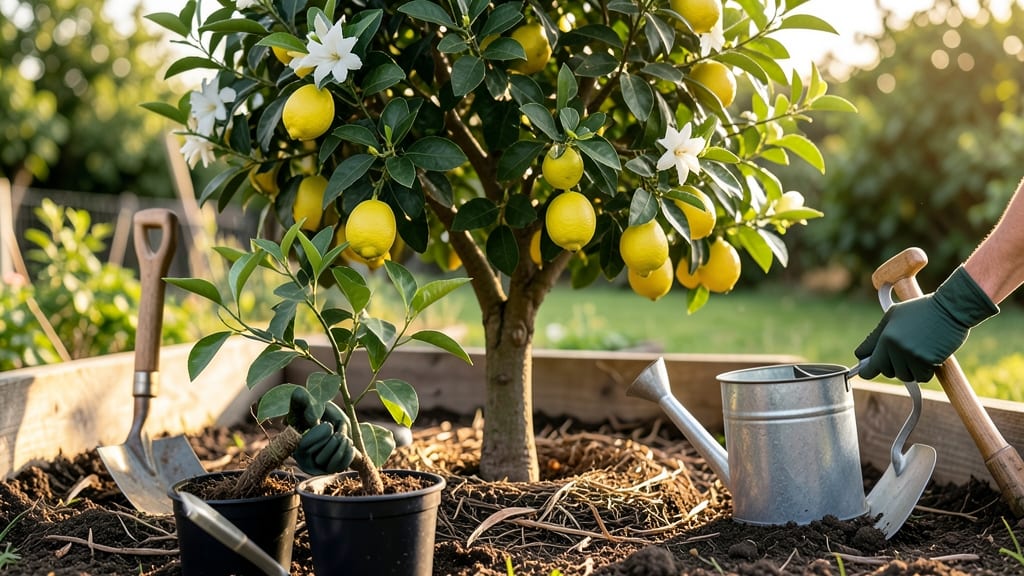
Planting citrus trees in Arizona during the dormant season—November through February—gives your 🍊 the best shot at thriving, especially when you account for microclimates like Phoenix’s heat or Flagstaff’s rare frost.
You’ve probably heard Arizona’s frost-free reputation, but even here, a single cold snap can turn a $50 tree into a sad, brown stick if you plant too late. The key? Timing it so roots establish before summer’s brutal heat kicks in—or risk stunted growth and fruit that never ripens.
Most citrus varieties—from cold-hardy Satsumas to tender Valencias—prefer the cooler months when soil temperatures stay mild. That’s why nursery pros recommend late fall to early spring, when the ground isn’t scorching and monsoon risks are zero.
But there’s a catch: high-desert areas like Prescott need extra caution, even in “frost-free” zones.
In this guide, I’ll break down the exact frost-free windows for your region, soil prep tricks to outsmart Arizona’s quirks, and why container-grown trees let you cheat the system. Ready to plant with confidence?
Optimal Arizona citrus planting dates by variety type
Arizona’s diverse microclimates create perfect conditions for citrus trees, but planting timing varies dramatically between cold-hardy varieties like Yuma and Satsuma and tender varieties like Valencia oranges and Meyer lemons. The key is planting when soil temperatures stabilize above 60°F (15°C)—but before summer’s brutal heat hits.
Let’s break down the ideal windows by region and variety to ensure your citrus thrives year-round.
In Phoenix and Tucson, where frost is rare, the best planting window spans from mid-November to early February—coinciding with the dormant season when trees establish roots without competing with summer heat.
Meanwhile, Yuma’s cooler desert climate allows for a slightly extended window, from late October to late March. Each variety has unique needs, so understanding these differences is critical for success.
| Variety | Cold Hardiness | Optimal Planting Window (AZ) | Soil Temp Requirement | Regional Adjustments |
|---|---|---|---|---|
| Yuma Citrus (Yuma Sweet Orange, Yuma Lemon) | Cold-Hardy (25°F/-4°C tolerance) | Late October – Late March | 55–65°F (13–18°C) | Phoenix: Plant after Dec 1 to avoid heat stress. Yuma: Can plant as early as Oct 15. |
| Satsuma Mandarin | Cold-Hardy (15°F/-9°C tolerance) | Mid-November – Early February | 60–70°F (16–21°C) | Tucson: Wait until after Jan 15 for stable soil temps. Flagstaff: Avoid planting—too cold. |
| Valencia Orange | Tender (30°F/-1°C max) | Mid-November – Early February | 65–75°F (18–24°C) | Phoenix/Tucson: Plant before Dec 15 to avoid heat. Yuma: Extend to March 1. |
| Meyer Lemon | Tender (28°F/-2°C max) | Late November – Early January | 60–70°F (16–21°C) | All regions: Avoid summer planting—lemon trees hate heat stress. Container-grown lemons can plant as late as Feb 15. |
For cold-hardy varieties like Yuma and Satsuma, the soil temperature is less critical than avoiding the peak summer heat. These varieties can handle cooler nights and even light frosts, making them ideal for high-desert areas like Flagstaff’s outskirts.
I recommend planting Yuma citrus in late October to give roots time to establish before winter chills arrive.
On the other hand, tender varieties like Valencia oranges and Meyer lemons demand warmer soil—at least 65°F (18°C)—to thrive. Planting them too early in cooler months can stunt root growth.
In Phoenix and Tucson, aim for mid-November to early February, while Yuma’s cooler climate allows a later window up to March 1.
One common mistake I see is planting citrus in summer or early fall. The intense Arizona sun and dry winds can shock young trees, leading to transplant shock or even death. Instead, focus on the dormant season when trees are naturally less stressed and soil moisture is more stable.
This is especially true for container-grown citrus, which can be planted up to 3 months earlier than bare-root varieties.
If you’re in Tucson or Phoenix, pay attention to microclimates. Urban areas with concrete and pavement can stay 10°F warmer than rural spots, delaying soil warming. Use a soil thermometer to confirm temperatures before planting—this simple tool can save your citrus from root rot or heat stress.
I always check soil temps at 10 AM
5 Critical factors that determine your planting success
Arizona’s microclimates can turn your citrus planting success—or failure—overnight. While Phoenix basks in 365 frost-free days, Flagstaff’s high desert can drop to 25°F in winter. The first factor? Know your zone.
Low desert areas (like Yuma) thrive with year-round planting, while high desert needs late-spring starts to avoid frost. Even in frost-free zones, soil temperature matters more than air temp—citrus roots need 60°F+ soil to establish.
Next, soil pH is non-negotiable. Citrus craves 6.0–7.0 pH, but Arizona’s alkaline soils often skew 7.5+. Test your soil—if it’s off, amend with elemental sulfur or peat moss before planting.
Ignore this, and you’ll get chlorosis (yellow leaves) even with perfect watering. Drainage is equally critical: citrus roots rot in soggy soil. Amend heavy clay with gravel or compost to prevent waterlogging during monsoon season.
Here’s the visual breakdown of your planting success checklist—skip these, and your tree’s survival rate plummets:
- 1. Microclimate: Plant in low desert (Nov–Feb) or high desert (May–June) to avoid frost. Use windbreaks in exposed areas.
- 2. Soil pH: Aim for 6.0–7.0. Test and amend with sulfur or lime if needed.
- 3. Drainage: No standing water. Mix gravel into soil or plant on a slope.
- 4. Frost Protection: Use mulch (4–6 inches) and burlap wraps for young trees in high-desert zones.
- 5. Monsoon Avoidance: Never plant July–Sept. Roots rot in flash floods and waterlogged soil.
Frost protection is your secret weapon in Arizona’s unpredictable cold snaps. Even in Phoenix, 28°F nights can kill tender varieties like Valencia oranges. Start with a 4–6 inch mulch ring around the base—straw or wood chips insulate roots. For high-desert areas, burlap wraps or row covers add 5–10°F of protection. And don’t forget windbreaks: A tall fence or shrub barrier reduces wind chill by 10–15°F.
Timing your planting around monsoon season (July–September) is a dealbreaker. Flash floods and waterlogged soil strangle citrus roots before they establish. If you must plant in summer, use raised beds with gravel drainage or stick to container-grown trees that you can move to shelter.
The best window? October–March, when soil is cool but not frozen, and monsoons have passed.
Finally, container planting gives you flexibility—plant 6 weeks earlier or later than ground planting. Just ensure pots have drainage holes and use well-draining potting mix.
Move containers to sheltered spots during cold snaps, and you’ll cheat frost entirely. The key? Monitor soil moisture—containers dry out 3x faster than ground soil.
Master these 5 factors, and your citrus trees will thrive year-round—even in Arizona’s quirkiest microclimates. Start with a soil test, pick the right planting window, and protect against frost and monsoons. Your homegrown oranges will thank you. 🍊