
Plants
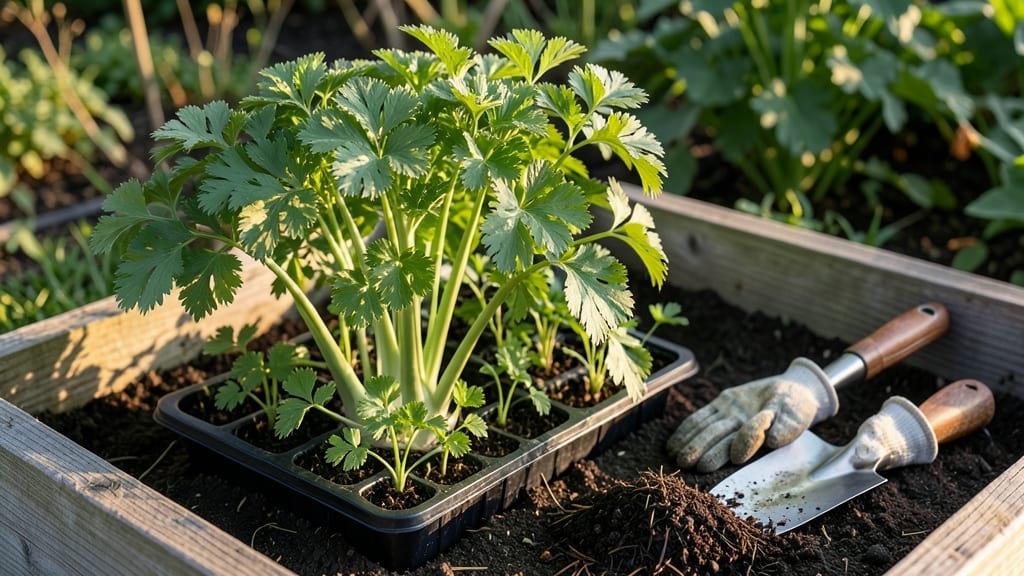
Planting celery in North Carolina at the right time ensures crisp, flavorful stalks instead of soggy, bitter disappointment — and the perfect window is just a few weeks after your last frost.
Celery thrives in North Carolina’s mild climate, but timing is everything. Plant too early, and you risk frost damage; too late, and the heat arrives before your harvest. I’ve watched promising seedlings bolt in the summer sun, and I’m here to help you avoid that fate.
For spring plantings, aim for late February to early March in most of NC’s 7a-8b zones, when soil temperatures hit 50°F and the last frost has passed. Fall is your second chance, with August to early September being ideal for a late harvest before winter sets in.
Below, I’ll break down the exact frost-free timeline by region, soil prep tips, and how to stretch your growing season with simple tricks. Ready to grow crisp, homegrown celery? Let’s get started.
Optimal planting dates for celery in North Carolina’s climate zones
North Carolina’s diverse climate zones—Coastal Plain, Piedmont, and Mountains—create unique frost-free windows for growing celery (Apium graveolens). In the Coastal region, warmer temperatures allow earlier plantings, while the Mountains face shorter growing seasons. Getting the timing right ensures crisp, sweet stalks instead of bitter, stringy harvests.
Celery thrives in cool soil temperatures (50–75°F) and consistent moisture. Plant too early, and frost will damage tender seedlings. Wait too long, and summer heat causes bolting. The key is aligning your planting with last frost dates and soil warmth—not just calendar months.
Here’s your region-specific planting timeline, including soil temperature requirements and frost risk windows to maximize your celery’s potential:
For Coastal NC, start seeds indoors by January 15 for a spring crop or direct-sow by August 1 for fall. The Piedmont’s shorter frost-free season means you’ll need to rush: transplant seedlings after April 15 or sow fall crops by July 15.
In the Mountains, wait until soil warms to 55°F—usually mid-April—to avoid frost damage.
Celery’s 90–150 day maturity window means you’ll need to plan for succession planting if you want continuous harvests. In the Coastal region, you can squeeze in two full crops (spring and fall), while the Mountains may only support one reliable harvest per year.
Use row covers to extend the fall season by 3–4 weeks in all regions.
Before planting, amend your soil with compost and aged manure to improve drainage—celery hates soggy roots. Aim for a pH of 6.0–7.0 and enrich the soil with nitrogen-rich fertilizer to encourage leafy growth. Mulch with straw or grass clippings to retain moisture and suppress weeds, which compete for nutrients.
If you’re growing celery in containers, choose deep pots (at least 12 inches deep) and plant one stalk per 6-inch pot. Container-grown celery needs daily watering in summer and benefits from morning sunlight to prevent bolting.
In-ground plants should be spaced 12–18 inches apart to allow airflow and reduce disease risk.
Watch for late spring frosts, especially in the Piedmont and Mountains. Use frost cloth or a mini greenhouse to protect young seedlings if temperatures dip below 32°F. In summer heat, provide afternoon shade to prevent stalks from becoming tough and bitter.
Harvest your celery when stalks reach 12–16 inches tall and leaves are dark green and tightly packed. Cut stalks at the base with a sharp knife to avoid damaging the plant. In
How to extend celery’s growing season in NC’s short frost-free period
North Carolina’s 210-240 frost-free days leave little room for error when growing celery. Without protection, late frosts in spring or early heatwaves in fall can turn your crisp stalks into bitter, bolted disappointments.
The key to success? Strategic season extension using proven techniques that shield your plants while maximizing your harvest window.
Celery thrives in cool soil temperatures (50-75°F), but NC’s climate challenges gardeners to work around both late frosts (March-April) and summer heat (June-August).
By combining succession planting, seasonal protection, and companion planting, you can push your celery’s growing season by 4-6 weeks—enough to fit in two full harvests annually.
🌱 5 Proven Strategies to Extend Celery’s Season
- Succession Planting: Stagger seed sowing every 2 weeks from February to September for continuous harvests. Start indoors 10-12 weeks before last frost (typically mid-January for Coastal NC, early March for Mountains).
- Cold Frames: Use low tunnels or cold frames to protect seedlings from late spring frosts (28-32°F). Add straw mulch (4-6 inches) for insulation. Remove frames when soil temps exceed 75°F to prevent bolting.
- Row Covers: Deploy floating row covers over established plants during unpredictable frost events. Secure edges with bricks or soil to prevent wind damage. Remove covers when temps rise above 60°F to avoid overheating.
- Companion Planting: Pair celery with dill, onions, or tomatoes to deter pests like celery leaf miners and aphids. Avoid planting near carrots or parsnips, which compete for nutrients and attract shared pests.
- Shade Cloth: Install 30-50% shade cloth during peak summer months (July-August) to maintain soil temps below 80°F. Combine with daily watering (1-2 inches) to prevent stress from heat and drought.
For fall harvests, start seeds in late July-August and use row covers through October. In the Piedmont region, where frosts arrive earliest, prioritize cold frames over row covers—they provide 10-14°F more protection during critical temperature swings.
Monitor soil moisture closely during season extension. Celery’s shallow roots struggle in dry or waterlogged soil, so maintain consistent moisture (1-2 inches per week). Use drip irrigation to avoid wetting foliage, which increases disease risk (early blight, powdery mildew)—common in NC’s humid summers.
With these strategies, you can transform NC’s short frost-free window into a year-round celery production system. Start small with one technique, then layer methods as you gain confidence. Your taste buds—and your dinner table—will thank you for the crisp, homegrown stalks all season long. 🥬