
Plants
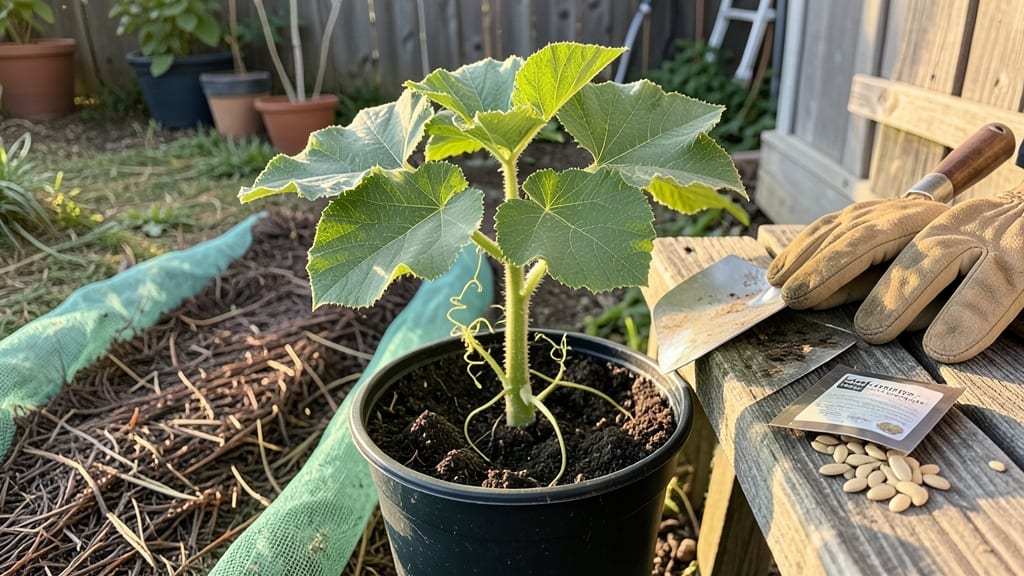
To plant cantaloupe in Georgia, wait until after your last frost—typically mid-April in most zones—when soil temperatures hit 70°F or warmer.
Georgia’s warm climate makes it a prime spot for cantaloupe, but timing your planting is the key to avoiding frost damage and maximizing sweet, juicy harvests.
If you plant too early, cold soil will stall germination, while waiting too long risks summer heat stress before the fruit sets. I’ll show you the exact frost-free window for your region, soil warmth tests, and how to stretch your harvest with succession planting.
By the end, you’ll know when to start seeds indoors, how to prep your soil, and which cantaloupe varieties thrive in Georgia’s heat—so you can go from seed to sweet melon without a hitch.
Georgia’s frost-free timeline: Best planting months for cantaloupe
Georgia’s three distinct climate zones—North, Central, and South—create unique frost-free windows for cantaloupe. Planting too early risks frost damage, while waiting too long may reduce your harvest window. The key is aligning your planting dates with local last frost averages and soil warmth.
In Northern Georgia (USDA Zones 7b-8a), like Atlanta and the mountains, the average last frost date falls around April 15.
This region has the shortest growing season, so timing matters most. Central Georgia (Zones 7b-8b), including Macon and Columbus, enjoys a longer frost-free period with last frosts around March 30.
Meanwhile, Southern Georgia (Zones 8a-8b), including Savannah and Valdosta, can plant as early as February 20 thanks to milder winters.
Cantaloupe thrives in warm soil (70°F+), so even after frost danger passes, you’ll need to wait for soil warmth. Use a soil thermometer to confirm temperatures before planting.
In cooler North Georgia, this often means delaying until late April or early May, while South Georgia gardeners can start as early as mid-March under row covers.
| Region | Last Frost Date | Ideal Planting Window | Soil Temp Requirement | Notes |
|---|---|---|---|---|
| North Georgia | April 15 | Late April–Early May | 70°F+ (use black plastic mulch) | Shorter season; choose early varieties |
| Central Georgia | March 30 | Mid-April–Late May | 65°F+ (test with thermometer) | Best balance of warmth and season length |
| South Georgia | February 20 | Mid-March–Early April | 60°F+ (earlier with row covers) | Longest season; try late varieties too |
For early varieties like ‘Athena’ or ‘Hale’s Best’, North Georgia gardeners should plant directly in the garden around May 1.
These 60-70 day varieties mature quickly, giving you a July harvest before summer heat peaks. Central Georgia can start early varieties in April and late varieties (80+ days) like ‘Ambrosia’ in late May for a fall harvest.
In South Georgia, where winters are mild, you can plant twice: once in March for an early summer crop and again in June for a fall harvest.
The second planting works because South Georgia’s first frost typically arrives after November 15, leaving plenty of time for cantaloupe to mature.
If you’re unsure about your local frost dates, check the Georgia Climate Project or use the National Weather Service’s frost calendar. For extra protection, use row covers or black plastic mulch to warm the soil faster.
This is especially helpful in North Georgia, where soil warmth lags behind air temperature.
Pro tip: Direct sow seeds rather than transplanting seedlings. Cantaloupe hates root disturbance, and seedlings struggle to establish after transplanting. Sow seeds ½ inch deep, 12 inches apart, and thin to 24 inches once seedlings emerge.
This spacing gives vines room to sprawl and maximizes fruit production.
Remember, cantaloupe needs consistent warmth to thrive. If nighttime temperatures dip below 55°F, growth slows dramatically. In North Georgia, this often means waiting until after Memorial Day for optimal conditions. Central and South Georgia can start earlier, but always monitor soil temperature—it’s the true deciding factor.
By aligning your planting dates with your region’s frost-free timeline and soil warmth, you’ll set your cantaloupe up for success. Whether you’re in cool mountain valleys or humid coastal plains, these guidelines ensure you avoid frost damage and harvest sweet, ripe melons all season long. 🍈
Soil temperature & warmth requirements for cantaloupe success
Cantaloupe seeds need warm soil to germinate—anything below 60°F will stall them, and they’ll rot in the ground. In Georgia, this means waiting until late April or early May for most regions, when soil temperatures consistently reach 70°F or higher.
Cold soil is the #1 reason cantaloupe seeds fail to sprout, even if air temperatures seem warm.
I’ve learned the hard way that rushing planting because the air feels warm won’t cut it—your cantaloupe will sulk in cold, damp soil. The key is monitoring soil temperature, not just air temperature. A simple soil thermometer (just $10) will save you from wasted seeds and frustration.
For Georgia gardeners, black plastic mulch is my secret weapon. It warms the soil by 5-10°F faster than bare earth, helping seeds germinate in just 5-7 days instead of weeks. Lay it down 1-2 weeks before planting to give your soil a head start.
⚠️ Warning: Cold Soil = Dead Seeds
Cantaloupe seeds won’t germinate below 60°F soil. Even if air temps are warm, cold soil will:
- 🌱 Stunt or kill seeds before sprouting
- 🧊 Cause fungal rot in damp conditions
- ⏳ Delay germination by 2+ weeks
Solution: Use a soil thermometer daily until temps hit 70°F+ consistently.
To test your soil warmth, stick a thermometer 2 inches deep in the ground on a sunny afternoon. If it reads below 65°F, wait another week—your cantaloupe will thank you with faster germination and stronger vines.
I always test in the late afternoon when soil is warmest, as morning temps can be misleadingly cool.
If you’re desperate to start early, row covers can help. Lightweight fabric raises soil temps by 2-4°F and protects young seedlings from late frosts. Just remove covers once true leaves appear to prevent overheating. For maximum warmth, combine row covers with black plastic mulch for a double boost.
Once your soil hits 70°F+, cantaloupe seeds will germinate in 3-5 days. Plant seeds 1 inch deep and 2 inches apart, then thin to 12-18 inches apart when seedlings have 2-3 leaves.
The faster they sprout in warm soil, the sooner you’ll get those sweet, ripe melons Georgia summers are perfect for.