
Plants
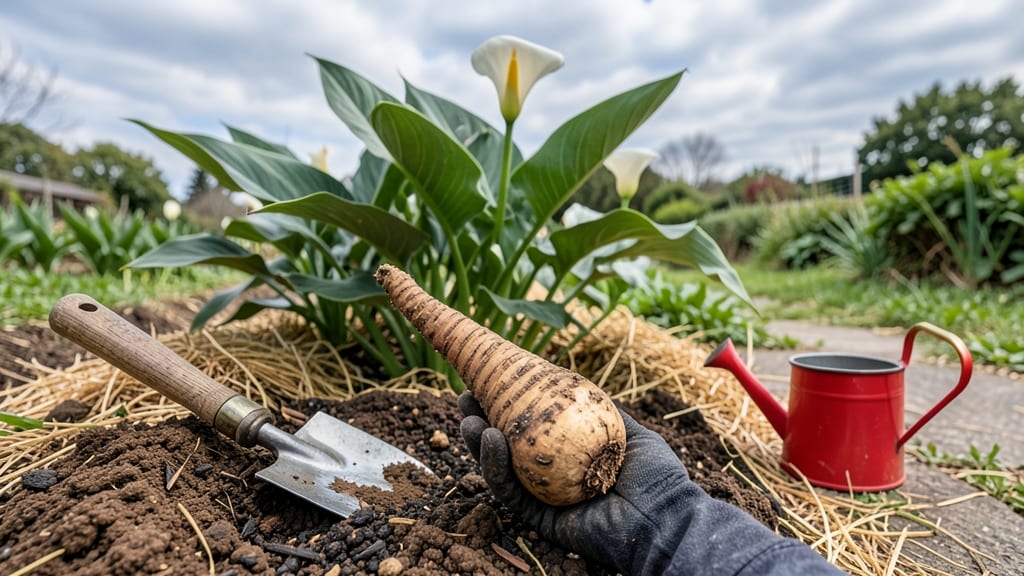
Planting calla lily bulbs in Ontario after the last frost — when soil temperatures hit 60°F (15°C) — is the key to vibrant summer blooms 🌸.
If you've ever wondered why your calla lilies never bloom in Ontario—or when the perfect time to plant their bulbs is—you're not alone. Timing these tropical beauties right can mean the difference between stunning summer flowers and a missed season.
Ontario’s USDA Zones 5B-6A mean frost lingers until mid-May, but rushing the bulbs too early risks cold damage. The ideal window is March to April, once the ground thaws and daytime highs stay above 10°C (50°F) consistently.
Below, I’ll break down the exact frost-free timeline for your region, how to prep the soil for Ontario’s clay-heavy gardens, and the one mistake that kills most calla lily bulbs here—plus how to avoid it.
Best planting months for calla lily bulbs in Ontario (USDA Zones 5B-6A)
Calla lilies (Zantedeschia) thrive in Ontario’s climate when planted at the right time—typically after the last frost but before summer heat sets in. For USDA Zones 5B-6A, this means focusing on April to early May, but timing varies between Southern and Northern Ontario.
Planting too early risks frost damage, while waiting too long may shorten the blooming season.
Southern Ontario (Toronto, Hamilton) generally has a later last frost date (mid-to-late May), giving gardeners more flexibility. Meanwhile, Northern Ontario (Sudbury, North Bay) faces earlier frosts (early May), requiring earlier planting.
The key is waiting for soil temperatures to reach 60°F (15°C)—a critical threshold for bulb success.
In Southern Ontario, where last frosts often hit in mid-to-late May, aim to plant calla lily bulbs in late April. This gives roots time to establish before summer heat arrives. Use a soil thermometer to confirm temperatures are above 60°F (15°C)—cold soil can stunt growth.
For Northern Ontario, plant as early as early April in protected microclimates or use frost blankets to extend the season. The soil temperature threshold drops slightly to 55°F (13°C) here due to shorter summers.
Monitor local weather forecasts for late frost warnings—even a light freeze can damage tender bulbs.
If you’re unsure about frost dates, check Environment Canada’s historical data for your area. For example, Toronto’s average last frost is May 15, while Sudbury’s is May 1.
Planting 2–4 weeks before these dates ensures your calla lilies have time to bloom before Ontario’s first frost in late September to October.
Prepare your soil by amending it with compost or peat moss to improve drainage—calla lilies hate soggy roots. Choose a partially shaded spot (they tolerate morning sun but need afternoon shade in hot zones like Hamilton). In containers, use a potting mix with perlite to prevent waterlogging.
After planting, water deeply to settle the soil and keep it consistently moist (but not waterlogged). Mulch with straw or shredded leaves to retain moisture and regulate soil temperature. In dry spells, water every 5–7 days—calla lilies wilt quickly when thirsty.
For early blooms, start bulbs indoors in February under grow lights, then transplant after the last frost. This trick works well in Northern Ontario where summers are shorter. Just avoid transplanting until soil warms—cold roots shock easily.
Remember: Calla lilies are tropical perennials that go dormant in winter. In Ontario, dig up bulbs after the first frost or mulch heavily to protect them. With the right timing, you’ll enjoy stunning summer blooms from July to September—worth the wait!
How to adjust planting time for early vs. late bloomers in Ontario’s climate
Ontario’s unpredictable spring weather can throw off even the most experienced gardeners. Calla lilies, with their tropical origins, need precise timing to thrive in our short growing season. If you’re eager for early blooms or want to extend the season, adjusting your planting strategy is key.
For early bloomers, start bulbs indoors in late February using a seedling heat mat to mimic warmth. This gives you a 4-6 week head start before transplanting outdoors after the last frost. Meanwhile, late bloomers benefit from mulching and frost blankets to protect tender shoots.
Early Bloomers vs. Late Bloomers: Planting Strategies
Early Bloomers
- ✅ Pros: Longer bloom time, earlier color
- ✅ Pros: Indoor starts reduce frost risk
- ✅ Pros: Better for short-season zones
- ⚠️ Cons: Requires indoor setup
- ⚠️ Cons: Higher risk of transplant shock
Late Bloomers
- ✅ Pros: Simpler outdoor planting
- ✅ Pros: Less transplant stress
- ✅ Pros: Better for warm summers
- ⚠️ Cons: Shorter bloom window
- ⚠️ Cons: Needs frost protection
To force early blooms, use a cold frame or unheated greenhouse in early spring. Place bulbs in well-draining potting mix and keep them in bright, indirect light until shoots emerge. Once outdoors, harden off plants for 7-10 days before transplanting.
For late-season extension, apply a 4-6 inch layer of mulch around plants in early June to insulate roots. Use frost blankets on cold nights (below 50°F/10°C) to shield foliage. This can delay dormancy by 2-3 weeks, giving you more time to enjoy those striking calla blooms.
Ontario’s variable spring weather demands flexibility. Monitor soil temperatures with a soil thermometer—wait until they hit 60°F/15°C before planting outdoors. If late frosts strike, cover plants with burlap sacks or frost cloth until temperatures stabilize.
Remember, calla lilies reward patience. Whether you’re chasing early blooms or extending the season, the key is adapting to Ontario’s climate while giving your plants the protection they need. With the right strategies, you’ll enjoy vibrant calla lilies from June to September—or even later! 🌸