
Plants
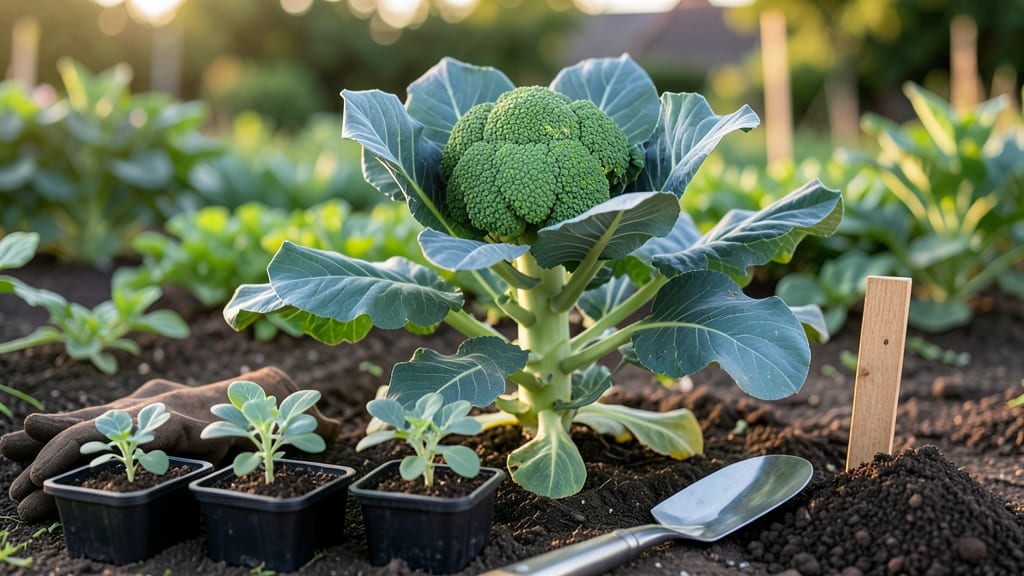
Planting broccoli in Minnesota means timing it just right between frost and heat — a window that’s narrower than you might think.
Miss those exact weeks, and you’ll either watch your seedlings freeze in May or bolt before the first frost. That’s why knowing the ideal planting dates for your USDA zone 4a-5b garden is the key to a harvest that lasts from June through November.
Whether you’re starting from transplants or sowing seeds, the right schedule depends on your region’s last frost date, soil temperature, and even whether you’re in the city or out in the country.
I’ll break down the precise weeks to plant for both spring and fall crops, plus how to stretch your season with cold-hardy varieties and row covers.
By the end, you’ll know not just when to plant, but how to protect your 🥦 from Minnesota’s unpredictable swings — so you can enjoy homegrown broccoli for months instead of weeks.
Minnesota broccoli planting calendar: exact weeks by region
Minnesota’s five distinct climate zones create unique planting windows for broccoli, where a single week difference can mean the difference between a thriving crop and a frost-killed disappointment.
Unlike warmer climates, Minnesota gardeners must account for USDA zones 4a-5b, microclimates like urban heat islands, and last-frost dates that shift yearly. Whether you're in the Northwest's chillier Zone 4a or the Southeast's milder Zone 5b, precision timing is your secret weapon for success.
Broccoli thrives in cool weather but bolts when temperatures exceed 80°F. In Minnesota, this means planting early spring (before May) and late summer (after August 1) to avoid summer heat stress.
The key is understanding your local frost dates—not just the averages—and adjusting for microclimates like south-facing slopes or urban concrete heat pockets that can push planting windows by 1-2 weeks.
Here’s the breakdown: Northwest Minnesota (Zone 4a) has the shortest season (only 120 frost-free days), while Southeast Minnesota (Zone 5b) enjoys 160+ days. Even within the Twin Cities Metro, neighborhoods can vary by 7-10 days in frost timing.
Use this comparison table to pinpoint your exact planting windows based on your region and whether you’re direct-sowing or transplanting seedlings.
| Region | USDA Zone | Last Frost (Spring) | First Frost (Fall) | Spring Planting Window | Fall Planting Window | Notes |
|---|---|---|---|---|---|---|
| Northwest (Zone 4a) | 4a (-30°F) | May 15–20 | September 10–15 | April 20–May 5 (transplants) | July 20–August 5 | Use cold-hardy varieties like 'Waltham 29'. |
| Metro (Zone 4b) | 4b (-25°F) | May 10–15 | September 15–20 | April 25–May 10 (transplants) | July 25–August 10 | Urban areas may be 5–7°F warmer. |
| Northeast (Zone 4a) | 4a (-30°F) | May 10–15 | September 5–10 | April 15–April 30 (transplants) | July 15–July 30 | Soil warms slower; use black plastic mulch. |
| Southeast (Zone 5a) | 5a (-20°F) | May 5–10 | October 1–5 | April 1–April 15 (transplants) | August 1–August 15 | Longer season; try 'De Cicco' for heat tolerance.
How to extend your Minnesota broccoli season with smart techniquesMinnesota’s short growing season can feel like a race against time for broccoli lovers, but with the right strategies, you can double your harvest. The key is combining cold-hardy varieties, protective covers, and strategic planting schedules to push your season both earlier in spring and later into fall. I’ve tested these methods in my own garden, and they’ve added 8+ weeks to my broccoli enjoyment—here’s how to replicate them. Start by choosing varieties bred for cold tolerance, like ‘Waltham 29’ or ‘De Cicco’, which can handle light frosts down to 20°F. These aren’t just tough—they actually sweeten in cold weather, making them perfect for Minnesota’s unpredictable springs. Pair them with row covers or low tunnels to shield young plants from late-season frosts, and you’ll see heads forming 2-3 weeks earlier than standard varieties. 1
Choose cold-hardy varieties: Opt for ‘Waltham 29’ or ‘De Cicco’—these tolerate 20°F and thrive in cool weather. Plant them 4-6 weeks before your last frost date for early harvests.
2
Use row covers for early starts: Install floating row covers over seedlings in late April to raise soil temps by 5-10°F. Remove covers when heads form to prevent overheating. This extends your spring harvest by 3-4 weeks.
3
Succession plant every 2 weeks: Sow new seeds every 14 days from mid-April to early June for a staggered harvest. This ensures you’re always picking fresh heads through July and August, even if early plants bolt.
4
Warm soil with black plastic: Lay black landscape fabric over garden beds 2 weeks before planting to raise soil temps by 10°F. Remove it just before sowing to avoid overheating seeds. This jump-starts growth in cool soils.
5
Extend fall harvests with cloches: Place individual cloches over mature plants in late September to trap heat. This can delay frost damage by 3-4 weeks, letting you harvest into early November in most of Minnesota.
For fall extensions, focus on succession planting and protective covers. Start your last batch of seeds in early August (8-10 weeks before your first frost) and use low tunnels or cold frames to shield them. I’ve had success with ‘Calabrese’ varieties under covers, which stay productive until mid-October in Zone 4a. Pair this with mulching (straw or leaves) to insulate roots and prevent soil heaving. Don’t overlook soil warming hacks—they’re game-changers for early starts. Spread black plastic mulch over beds in March to absorb sunlight and raise soil temps. Remove it just before planting to avoid seed rot, but the warmed soil will help seedlings emerge 5-7 days faster. Combine this with a starter fertilizer (like fish emulsion) to give young plants the boost they need. Pro tip: Monitor your microclimate. Urban gardens in Minneapolis often stay 3-5°F warmer than rural areas, so adjust your planting dates accordingly. Use a soil thermometer to confirm temps are above 40°F before sowing—this is critical for germination. With these techniques, I’ve gone from one harvest in June to three harvests spanning June through November—all while keeping my broccoli sweet, crisp, and homegrown. |