
Plants
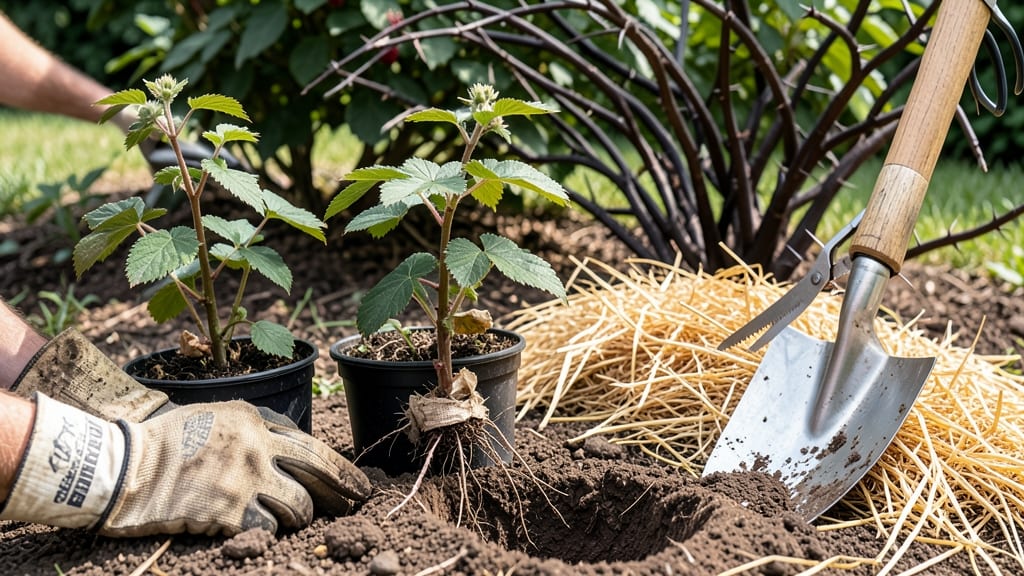
Planting blackberries in Georgia requires timing that matches your chill-hour zone and frost-free deadlines — get it right, and you’ll reap a bountiful harvest of juicy 🫐 berries in just a few seasons.
Georgia’s humid climate and varying chill-hour zones can make planting blackberries tricky—get the timing wrong, and your bushes may struggle to fruit. But with the right frost-free deadlines and chill-hour awareness, you can maximize yields and avoid common pitfalls.
Whether you’re in the Piedmont’s 7b zone or the Coastal Plain’s 8b, knowing when to plant—whether in late winter or early fall—makes all the difference. Below, I’ll break down the exact windows by region, plus soil prep tips to ensure your blackberries thrive.
You’ll also discover how to choose between thornless and traditional varieties, container vs. in-ground planting, and the 4-6 week window before frost that guarantees strong root establishment. Let’s get those canes in the ground the right way!
Georgia’s chill-hour zones: how they affect blackberry planting timing
Georgia’s three distinct chill-hour zones (300-700+ hours) dramatically impact when you should plant blackberries. These zones—Low (300-500 hours), Intermediate (500-700 hours), and High (700+ hours)—determine whether your blackberry varieties will thrive or struggle.
In Low-Chill Zones (like coastal areas), primocane varieties like Natchez or Ouachita excel, while High-Chill Zones (mountains) favor floricane types such as Triple Crown or Chester. Getting this right means the difference between a bountiful harvest and wasted effort.
Understanding chill hours is critical because blackberries need cold dormancy periods to set fruit. If you plant in the wrong zone, your bushes may produce little to no fruit or fail to establish properly.
For example, a 700+ hour variety planted in a 300-hour zone will likely produce sparse berries—or none at all. My first rule? Always match your variety to your local chill-hour zone to ensure success.
Here’s how chill hours translate into planting deadlines for Georgia’s zones. In Low-Chill Zones (e.g., Savannah), you can plant as late as November 1st for fall planting, while High-Chill Zones (e.g., Blue Ridge Mountains) require planting by October 15th to meet chill-hour needs.
Timing is everything—plant too late, and your roots won’t establish before winter; plant too early, and you risk spring frost damage.
Primocane vs. Floricane varieties further complicate timing. Primocanes (like Apache) produce fruit on new wood, meaning they fruit in summer and fall of the same year. Floricanes (like Boygen) need a full year to mature before fruiting on second-year canes. In Georgia’s Intermediate Zones, primocanes are often the safer bet because they adapt better to inconsistent chill hours.
For spring planting, aim to get blackberries in the ground 4-6 weeks before your last frost date. In North Georgia, this means February 1st, while in South Georgia, you can wait until March 15th.
The key is ensuring roots establish before summer heat stress kicks in. I’ve found that bare-root plants thrive best when planted in cool, moist soil, so avoid planting during heatwaves.
Fall planting offers a second chance for gardeners who miss the spring window. In Low-Chill Zones, you can plant as late as November 1st, giving roots time to establish before winter.
However, in High-Chill Zones, I recommend planting by September 30th to ensure adequate root growth before first frost. The goal is to give your blackberries 6-8 weeks of root establishment before dormancy sets in.
One mistake I’ve seen new gardeners make is ignoring soil temperature when planting. Blackberries need soil temps above 50°F (10°C) to root properly. In Georgia’s warmer zones, this means waiting until mid-February, while cooler mountain areas can plant as early as January.
Always check soil temps with a soil thermometer—it’s a game-changer for success.
If you’re unsure about your chill-hour zone, check with your local Cooperative Extension office or use a chill-hour calculator based on your ZIP code. For example, Athens (USDA Zone 8a) typically falls into the
Frost-free deadlines by Georgia region: when to plant for maximum yield
Georgia’s frost-free deadlines vary dramatically by region, and planting blackberries outside these windows can mean the difference between a thriving 6-foot shrub and a struggling 2-foot sapling.
In North Georgia (Atlanta area), the last frost typically hits around March 15, while South Georgia (Savannah) sees its final frost as early as February 15. These dates create a 4-6 week window before summer heat stress begins.
For maximum yield, aim to plant blackberries in either late winter (February-March) or early fall (September-October). Fall planting gives roots time to establish before winter, while spring planting aligns with natural growth cycles. The key is avoiding the high-humidity window between May and July, when fungal diseases thrive.
Here’s how to align your planting with Georgia’s frost-free deadlines by region:
| Region | Last Frost Date | Ideal Planting Window | Key Consideration |
|---|---|---|---|
| North (Atlanta) | March 15 | Feb 15–March 15 (spring) or Sept 15–Oct 15 (fall) | Cooler nights; use mulch to protect roots |
| Central (Macon) | March 1 | Feb 1–March 1 (spring) or Sept 1–Oct 1 (fall) | Moderate humidity; prioritize well-draining soil |
| South (Savannah) | February 15 | Jan 15–Feb 15 (spring) or Aug 15–Sept 15 (fall) | Warmer soil; plant thornless varieties for easier harvest |
Spring planting in North Georgia should wrap up by March 15 to avoid heat stress, while South Georgia gardeners can push planting into early February. Fall planting works best when done 6 weeks before first frost, giving roots time to establish before winter dormancy.
For example, in Macon, aim for September 1–October 1 to align with the 4-6 week window before frost.
Pro tip: If you’re planting in containers, extend your window by 2–3 weeks in cooler regions. Containers warm up faster in spring and cool down quicker in fall, giving you more flexibility. Just ensure your pots have drainage holes to prevent root rot in Georgia’s humid climate.
For thornless varieties, like ‘Natchez’ or ‘Ouachita,’ spring planting is ideal—they fruit on primocanes (new growth), so early establishment means bigger harvests. Traditional varieties, like ‘Cheyenne,’ thrive with fall planting to develop strong floricane canes for next year’s fruit.
Remember, blackberries need 6+ hours of sun and well-draining soil to thrive. After planting, water deeply to encourage root growth, and apply 2–3 inches of mulch to retain moisture and suppress weeds.
With these frost-free deadlines in mind, you’ll be well on your way to a bountiful blackberry harvest! 🫐