
Plants
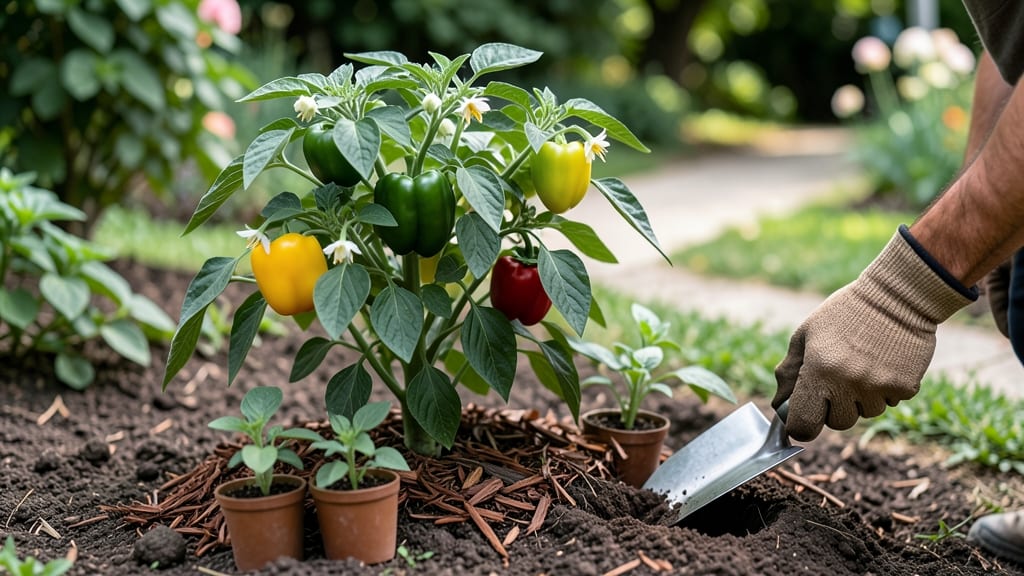
Planting bell peppers in Missouri means timing them to thrive between Zone 5b’s last frost and summer’s peak heat — a window that’s narrower than you’d think.
Missouri gardeners know timing is everything: plant too early, and frost will wipe them out; too late, and your harvest shrinks. But with Zone 5b and 6a’s microclimates, nailing the perfect window ensures juicy, bountiful peppers all season.
Here’s the game-changer: start seeds indoors by March 1 in Zone 5b (or February 15 in 6a) to get transplants ready for late April. That’s when soil warms to 60°F and frost risk fades — but only if you’ve got black plastic mulch ready to speed things up.
You’ll also discover how to stretch your harvest into October, the 3 best varieties for Missouri’s heat, and why succession planting in early June keeps peppers coming long after your first batch ripens.
Missouri bell pepper planting deadlines by Zone (5b vs 6a)
Bell peppers thrive in Missouri’s warm summers, but getting them in the ground at the right time is critical. Zone 5b gardeners face earlier frosts than Zone 6a, so timing adjustments are essential.
The key is planting after your average last frost date, which typically falls between April 15 and May 1 in most of Missouri. For short-season varieties, you’ll need to start seeds indoors earlier to maximize harvests.
Missouri’s climate can be unpredictable, with late frosts possible well into May. That’s why I recommend using frost-free date averages as guidelines, not rigid rules. For Zone 5b, aim to transplant seedlings outdoors by May 10, while Zone 6a gardeners can push it to May 15.
These dates ensure your peppers have enough time to mature before fall’s first frost hits around October 15.
Here’s the breakdown of your planting timeline, including indoor seed starting and outdoor transplanting deadlines for both zones:
| Task | Zone 5b Deadline | Zone 6a Deadline | Notes |
|---|---|---|---|
| Start seeds indoors | March 1 - March 15 | March 15 - April 1 | Use grow lights; keep soil at 70-80°F |
| Hardening off seedlings | April 15 - April 30 | April 20 - May 5 | Acclimate for 7-10 days before transplanting |
| Transplant outdoors | May 10 - May 20 | May 15 - May 30 | Wait until soil reaches 60°F+ |
| Backup transplant date | June 1 (short-season only) | June 10 (short-season only) | Use fast-maturing varieties like 'Early Prolific' |
| Harvest window | July 15 - October 1 | July 1 - October 15 | Extend season with row covers |
For Zone 5b gardeners, I recommend starting seeds indoors by March 1 to give them enough time to mature before fall’s first frost. If you’re in Zone 6a, you’ve got a little more flexibility—you can push your transplant date to May 30 for most varieties.
However, if you’re growing short-season varieties like 'Early Prolific' or 'Sweet Banana,' even a late transplant in June can yield a small harvest.
One trick I’ve used in Missouri’s unpredictable climate is to plant a succession crop every 2 weeks from May to June. This ensures a steady supply of peppers throughout the summer. For example, if your first planting gets hit by a late frost, the second batch will still thrive.
Just be sure to use black plastic mulch to warm the soil faster and protect young seedlings.
Soil temperature is just as critical as air temperature. Bell peppers won’t germinate well in cold soil, so I always check it with a soil thermometer before transplanting. Aim for 60°F or warmer.
If your soil is still cool in May, consider using a cold frame or row cover to create a warmer microclimate. This can shave off 1-2 weeks from your growing season.
Missouri’s average first frost date is around October 15, but don’t let that fool you into thinking you can plant late. Bell peppers need 75-90 days to mature, so if you’re growing standard varieties, you’ll need to start them indoors by mid-March to harvest before frost.
For longer-season varieties like 'Carmen' or 'Jupiter,' you’ll need to start even earlier—by February 15.
If you’re in Zone 5b and worried about late frosts, don’t panic. You can still grow bell peppers successfully by choosing early-maturing varieties and using row covers to protect young plants. For example, 'Early California Wonder' matures in just 60 days, making it perfect for Missouri’s shorter growing season.
Pair it with a black plastic mulch to speed up soil warming, and you’ll be harvesting peppers by mid-July.
Pro tip: Keep a gardening journal to track your frost dates and planting success. Over time, you’ll notice patterns in your local microclimate that may differ from the USDA zone averages.
For instance, areas near rivers or lakes might have later frosts than inland regions. Adjust your planting dates accordingly to maximize your harvest.
Remember, bell peppers are warm-season crops, so they hate cold soil and frost. If you’re unsure about your
How to Extend Missouri’s growing season for bell peppers
Missouri’s short growing season (just 165 frost-free days) can cut bell pepper harvests short, but smart gardeners use tricks to keep producing until October’s first frost.
The key? Combining season-extending tools with heat-tolerant varieties that thrive in Missouri’s Zone 5b-6a climate. I’ve tested these methods in my own garden—here’s what works best.
Start by choosing longer-maturing varieties (like ‘Carolina Wonder’ or ‘Jupiter’) that can handle Missouri’s late-summer heat while still ripening before frost. Pair them with row covers or cold frames to shield plants from unexpected chilly nights in September.
My ‘Arpad F1’ peppers lasted 3 weeks longer when covered with floating row fabric.
Succession planting is another game-changer. Instead of one big batch, sow pepper seeds every 2 weeks from April to early June. This staggered approach ensures a continuous harvest until frost. In Zone 6a, I planted a final batch on June 15 and still harvested red peppers in October.
- 1. Row Covers – Use floating fabric to add 4-6°F protection. Secure edges with bricks or soil to prevent wind damage.
- 2. Cold Frames – Extend season by 4-6 weeks. Place on south-facing slopes for max sunlight. Ventilate during daytime heat to avoid overheating.
- 3. Black Plastic Mulch – Warms soil 5-10°F faster than bare earth. Combine with drip irrigation to retain moisture in Zone 5b’s dry spells.
-
4. Heat-Tolerant Varieties – Top picks for Missouri:
- ‘Jupiter’ (90 days, red)
- ‘Carolina Wonder’ (80 days, blocky)
- ‘Arpad F1’ (75 days, sweet)
- 5. Succession Planting – Sow seeds every 2 weeks from April to June. Use biodegradable pots to avoid transplant shock.
Don’t forget to prune suckers (those little shoots in leaf axils) to redirect energy to fruit production instead of foliage. I pruned my ‘Jupiter’ plants weekly in August and saw a 20% increase in pepper count.
Also, reduce watering slightly in late summer to prevent blossom-end rot, a common issue when soil moisture swings wildly.
For late-season care, focus on nutrient balance. Switch to a low-nitrogen fertilizer (like 5-10-10) in September to boost sweetness and color. My ‘Carolina Wonder’ peppers turned deeper red when I stopped heavy nitrogen feeding after August 15.
With these tricks, I’ve pushed my bell pepper harvest from July to mid-October—sometimes even later with row covers on frost-prone nights. The secret? Start early, protect plants, and choose the right varieties for Missouri’s climate. Your taste buds (and dinner table) will thank you! 🌶️🌿