
Plants
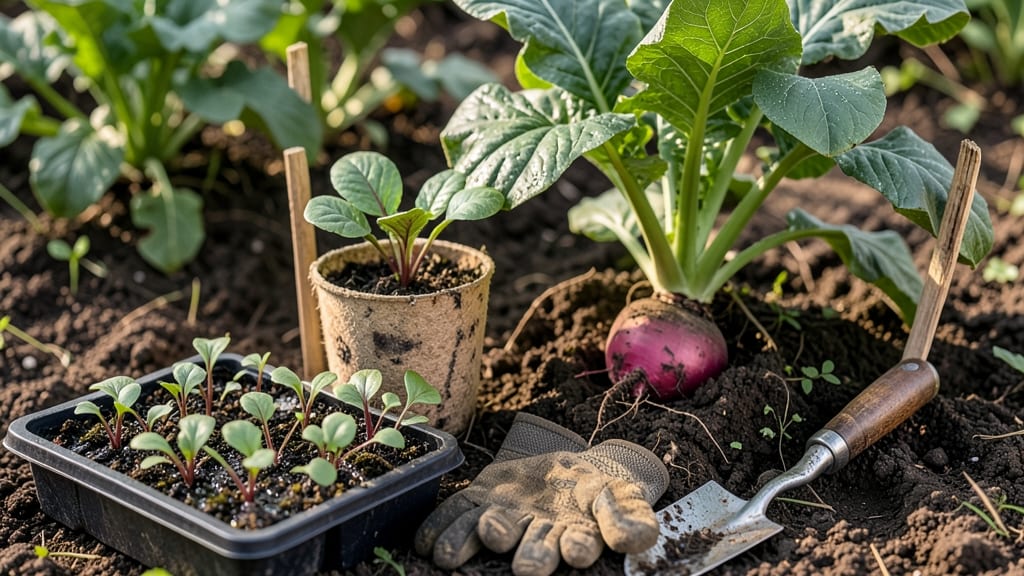
Planting beets in Connecticut at the right time means the difference between tender, sweet roots and tough, woody messes—especially in USDA Zone 6A/6B where frost lingers unpredictably.
Connecticut’s unpredictable spring frosts can make or break your beet harvest—planting at the wrong time means tough, woody roots instead of sweet, tender greens. Timing is everything, especially when you’re staring at a March 15 to April 15 window or a late-summer restart in September.
If you’ve ever pulled up a beet only to find it shriveled or bitter, you’ve already missed the ideal soil temperature of 50°F or the frost-free window.
Below, I’ll walk you through the exact dates for Hartford, New Haven, and Stamford—plus how to stretch your season with row covers and succession planting.
You’ll leave here knowing not just when to plant, but how to protect your crop from late frosts, which varieties hold up best in Connecticut’s climate, and the one soil trick that keeps beets from bolting early.
Optimal beet planting windows in Connecticut (zone 6A/6B)
Timing your beet planting in Connecticut’s Zone 6A/6B is all about avoiding late frosts while ensuring warm soil for germination. Beets thrive when soil temperatures reach 50°F (10°C), but they can’t handle frost—even young seedlings.
In my experience, the 15-year average last frost dates for Hartford, New Haven, and Stamford vary by 3-5 days, so local knowledge matters.
For Hartford (Zone 6A), aim for March 20–April 15 for early spring plantings, while New Haven (Zone 6B) can start slightly earlier around March 15–April 10.
Stamford’s coastal influence means slightly later dates (March 25–April 15) due to delayed warming. Missing these windows risks woody, bitter beets or failed germination.
Soil temperature is your best gauge: use a soil thermometer to confirm 50°F+ before planting. In my garden, I’ve seen seedlings emerge in 5–10 days when soil hits 55°F (13°C), but cooler soils delay sprouting by 2+ weeks. Patience pays off—rushing leads to poor establishment.
| Planting Window | Location-Specific Dates | Soil Temp Requirement | Harvest Window |
|---|---|---|---|
| Early Spring |
|
≥ 50°F (10°C) | June–July |
| Late Spring (Succession) | April 20–May 10 (all regions) | ≥ 55°F (13°C) | July–August |
| Fall |
|
≥ 45°F (7°C) | October–November |
⚠️ Note: Use row covers for early/late plantings to extend season by 2–3 weeks.
Fall plantings offer a second harvest window, but don’t wait past September 30—beets need 60–70 days to mature before the first frost (October 30 average).
I’ve had success with ‘Detroit Dark Red’ and ‘Golden’ varieties in fall, as they tolerate cooler soils better than ‘Chioggia’, which bolts faster.
For succession planting, sow seeds every 2 weeks from April through June to ensure a steady harvest. Thin seedlings to 3–4 inches apart when they’re 2 inches tall—this prevents competition and ensures plump, tender roots.
I’ve found that spacing too closely leads to small, misshapen beets, no matter how well you water.
One trick I swear by? Planting beet greens separately in containers for a longer harvest. The greens are edible even when the roots are small, giving you two crops in one. Just remember: greens prefer cooler weather, so harvest them before July’s heat sets in.
If you’re unsure about frost dates, check the CT Agricultural Experiment Station’s frost charts or use a frost-free date calculator for your specific ZIP code. My local extension office also sends out weekly frost alerts—sign up for theirs if you’re serious about timing!
Protect young seedlings with floating row covers if a late frost threatens. I’ve saved entire plantings this way, especially in Zone 6A where April frosts are common. Just remove covers when soil warms to 60°F+ to prevent overheating.
Finally, soil preparation is key. Beets hate soggy soil, so amend your beds with compost to improve drainage. I mix in aged manure before planting to give roots a nutrient boost without burning tender seedlings. Aim for pH 6.0–7.0—beets are forgiving but thrive in slightly acidic to neutral soil.
How to extend your beet growing season in Connecticut
Connecticut’s short frost-free season (just 165 days) doesn’t mean you’re stuck with one beet harvest. With the right strategies, you can enjoy fresh, tender roots from late spring to early fall. The key? Protecting seedlings from late frosts and using succession planting to keep your garden producing.
I’ve learned the hard way that beets planted too early in March often bolt or develop tough roots when hit by April frosts. But with row covers and cold frames, you can push your planting window by 3-4 weeks in both spring and fall.
Below are my top techniques for extending your beet season—and which varieties hold up best in Connecticut’s climate.
- Use floating row covers to protect seedlings from late spring frosts (down to 25°F). Remove when flowers appear to prevent bolting.
- Plant cold-hardy varieties like 'Detroit Dark Red' or 'Golden'—they tolerate cooler soils better than 'Chioggia' striped types.
- Start succession plantings every 2 weeks from March 15 to April 15 for continuous harvests. Aim for 3-4 plantings in spring and 2 in fall.
- Use cold frames to extend fall harvests by 4-6 weeks. Cover beds by September 15 to trap heat and delay frost damage.
- Plant late-season varieties like 'Ruby Queen' in August for harvests through October. These mature faster in cooler weather.
For early spring plantings, I swear by black plastic mulch to warm the soil faster. Lay it down 2 weeks before planting—this raises soil temps by 5-10°F, helping seeds germinate even in 45°F soil.
Pair this with row covers, and you’ll have seedlings ready for April’s unpredictable frosts.
Don’t overlook fall planting either. Beets sown in late August can mature by October before hard frosts hit. Choose bolting-resistant varieties like 'Bull’s Blood', which handle cooler temps better. Just be sure to harvest before soil temps drop below 40°F—or your roots will turn woody.
Pro tip: Mark your last frost date (usually April 15 in CT) and count back 50 days to schedule your final spring planting. For fall, count 60 days before your first frost (around October 30). This ensures you’ll harvest before cold sets in.
With these techniques, you’ll go from one measly harvest to three full seasons of beets—no more sad, shriveled roots in your garden! 🌱