
Plants
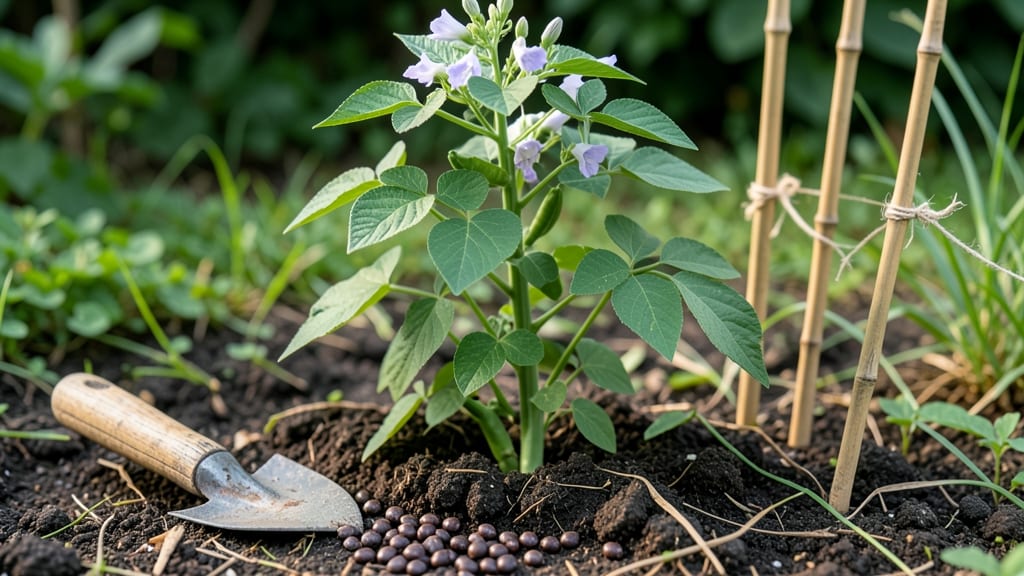
Planting beans in Wisconsin after the last frost date—typically mid-April—sets you up for a thriving harvest, but timing is everything in the 4b-6a zone.
Wisconsin’s short growing season means timing your bean planting perfectly can mean the difference between a bountiful harvest and wasted effort. A late frost or cool soil can stall germination, while planting too early risks losing young plants to cold snaps.
The key? Wait until soil temperatures hit at least 60°F and the last frost has passed.
Most gardeners in Wisconsin start seeds indoors 4-6 weeks before the last frost or sow directly outdoors from mid-April to early June. Bush beans, which mature faster, can handle cooler soil, while pole beans prefer slightly warmer conditions.
Adjusting for your specific location—whether you're in Milwaukee or Madison—can add an extra week or two of growing time.
In this guide, I’ll break down the exact planting windows for your favorite varieties, share tips for extending the season, and help you avoid common mistakes that can ruin your harvest.
By the end, you’ll know not just when to plant, but how to give your beans the best start in Wisconsin’s unpredictable climate.
Optimal bean planting dates in Wisconsin by variety (USDA Zone 4 guide)
Wisconsin’s USDA Zone 4 climate demands precise timing for bean planting—get it wrong, and you risk stunted growth or frost damage. With an average last frost date around May 15 and only 165 frost-free days, choosing the right variety and planting window is critical for a successful harvest.
Most beans thrive when soil temperatures hit 60°F or warmer, which typically occurs in late May across most of the state.
Beans fall into three main categories: bush beans (compact, no trellis needed), pole beans (climbing, need support), and specialty varieties like runner or lima beans. Each has slightly different timing needs, especially in Wisconsin’s variable spring weather.
For example, bush beans can handle cooler soils better than pole beans, making them ideal for early plantings.
Here’s a quick reference for Wisconsin gardeners, broken down by variety and key planting windows to maximize your harvest from July through September:
For bush beans, I recommend starting seeds indoors 4-6 weeks before your last frost date (around April 15 for most of Wisconsin) to give them a head start. Transplant seedlings outdoors once soil warms to 60°F and nighttime temperatures stay above 50°F.
This strategy helps avoid the soil-borne diseases that can plague early outdoor plantings in Wisconsin’s damp springs.
Pole beans, on the other hand, are more sensitive to cold and require warmer soil (65°F+). I often wait until late May to plant them outdoors, or use black plastic mulch to speed up soil warming.
If you’re eager for an earlier harvest, consider starter plants from a local nursery, which can be transplanted as soon as the soil is workable.
Specialty varieties like runner beans and lima beans need even more warmth—aim for early June plantings when soil temperatures consistently reach 70°F.
These varieties also benefit from extended-season techniques, such as row covers or cold frames, to protect them from Wisconsin’s unpredictable late frosts (which can occur as late as May 30 in some years).
Pro tip: Use a soil thermometer to monitor temperatures before planting. Beans are particularly sensitive to cold soil, which can delay germination by weeks. If your soil isn’t warm enough by early June, hold off and opt for
How to adjust planting dates for Wisconsin’s unpredictable weather patterns
Wisconsin’s unpredictable frost dates and cool soil temperatures can throw off even the most careful gardeners. In my experience, waiting for consistent 60°F soil temps is crucial—especially for pole beans, which struggle in cooler conditions.
But what if Mother Nature has other plans? The solution lies in flexible planting strategies that account for late frosts and extend your growing season.
One of my go-to methods is using cold-hardy bean varieties like ‘Provider’ or ‘Kentucky Wonder’, which tolerate cooler soil better than standard types. These varieties give you a 2-3 week buffer if frost lingers.
Pair them with row covers or black plastic mulch to warm the soil faster and protect young plants from unexpected cold snaps.
For early plantings, I always keep a soil thermometer handy. If temperatures dip below 55°F, germination slows dramatically. In my Zone 4b garden, I’ve found that planting bush beans in late April (with row covers) often succeeds when pole beans planted the same time fail.
The key is monitoring forecasts from the Wisconsin State Climatology Office and adjusting your timeline accordingly.
Another trick I’ve mastered is staggered planting. By sowing bush beans every 10-14 days from mid-May to early June, I ensure a continuous harvest. This works especially well for green bean varieties like ‘Blue Lake’, which mature quickly.
For pole beans, I wait until late May and use trellises with shade cloth to protect them from heat stress in July.
If your season feels too short, consider soil warming techniques. Laying down clear plastic mulch a week before planting can raise soil temps by 5-10°F, jumpstarting germination. I’ve also had success with compost piles nearby, which naturally warm the soil over time.
For container gardeners, use black pots to absorb more sunlight and maintain warmer soil.
Don’t forget about fall plantings! In southern Wisconsin (Zone 5), you can often squeeze in a late summer crop of bush beans by planting in early August. Choose fast-maturing varieties like ‘Contender’ (50 days to harvest) and use row covers to extend the season until first frost.
This gives you a second harvest when early plantings might be struggling.
Finally, keep an eye on local microclimates. South-facing slopes warm up faster, while low-lying areas stay colder longer. If your garden has frost pockets, plant heat-loving beans like ‘Rattlesnake’ pole beans on raised beds or hills where cold air drains away.
With these adjustments, you can turn Wisconsin’s challenges into opportunities for a longer, more productive growing season. 🌱