
Plants
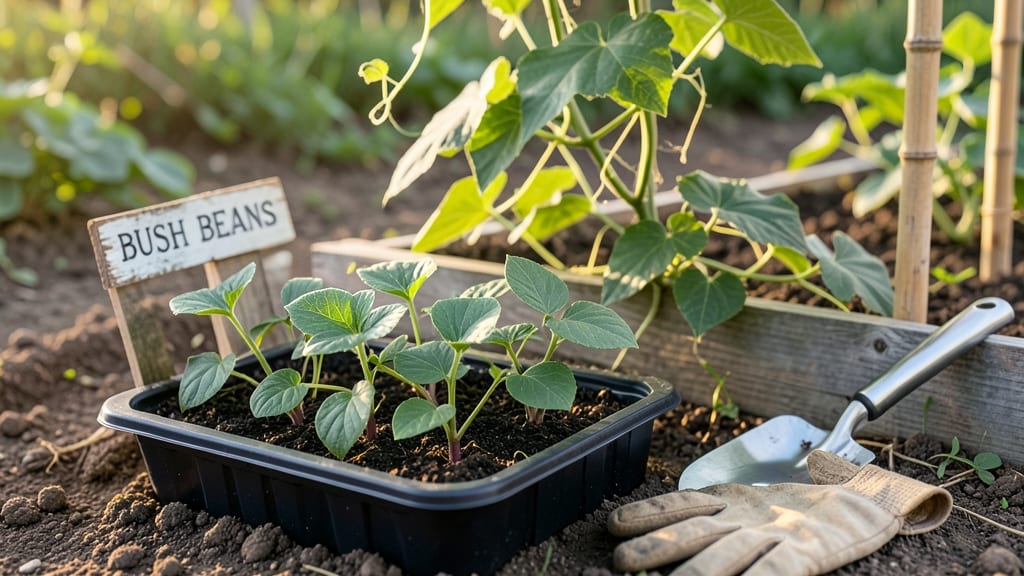
Planting beans in Massachusetts after the soil reaches 60°F and the last frost has passed is the fastest way to guarantee a bountiful harvest.
Massachusetts gardeners know timing is everything—plant beans too early, and frost will ruin your harvest; too late, and summer heat stunts growth. But with the right soil temperature triggers, you can maximize yields and enjoy fresh green beans all season long.
In USDA Zone 6a, where most of Massachusetts falls, the ideal planting window runs from mid-April through early June. Coastal areas like Boston may warm up sooner, while inland regions like Worcester often need to wait until late May.
Below, I’ll break down the exact soil temperature thresholds, regional adjustments, and fast-germination tips to ensure your beans sprout quickly and thrive—no guesswork required.
Massachusetts bean planting timeline by soil temperature zones
Massachusetts' diverse climate—from coastal breezes to inland valleys—means your bean planting schedule should match your specific microclimate. Coastal areas like Cape Cod and Boston often experience delayed springs, while inland zones like Worcester and the Pioneer Valley warm up faster.
Highland regions (e.g., Berkshires) face shorter growing seasons entirely. To nail your timing, focus on soil temperature, not just air temperature.
Beans need soil temperatures of 50°F+ to germinate and 60°F+ for vigorous growth. Using a soil thermometer (inserted 2 inches deep) is the gold standard—air temps can fool you. For example, a sunny 65°F day might hide 55°F soil in the morning, delaying germination by weeks.
Here’s how to adjust your planting based on where you garden in Massachusetts.
In coastal Massachusetts, where ocean breezes keep soils cooler, wait until late May to plant. I’ve seen Boston gardens suffer when gardeners rush beans into 50°F soil—seeds rot instead of sprout. For pole beans, which need more warmth, delay until June 1 in these areas.
Inland regions like Worcester can start as early as April 25, but verify soil temps—even a light frost can kill tender seedlings.
Highland areas like the Berkshires have the shortest windows. Here, focus on fast-maturing varieties like Kentucky Wonder (58 days to harvest) and plant no later than June 10.
If your soil hits 65°F+ earlier, go for it—but monitor for drought stress, which stunts bean growth in thin mountain soils. Mulch heavily with straw to retain moisture.
For succession planting (the secret to a continuous harvest), sow new seeds every 2 weeks until July 15, regardless of region. This works because beans thrive in warm soil and tolerate heat better than cool-season crops.
My June 15 planting of Blue Lake beans yielded pods until September 1, beating the first frost by weeks.
Pro tip: Use black plastic mulch to warm soil faster in cooler regions. It raises soil temps by 5–10°F, letting you plant 1–2 weeks earlier without risk. Just remove it before harvest to avoid soil contamination.
Pair this with companion planting—corn and beans grow well together, and the corn stalks provide shade for pole beans in hot July afternoons.
If you’re unsure about your last frost date, check the USDA Plant Hardiness Zone Map (Zone 5–7 for MA) and add 2–3 weeks of buffer time. For example, Zone 6a (common in central MA) averages its last frost around April 25, but I wait until May 10 to
5 Soil temperature triggers to plant beans at the perfect time
Timing your bean planting based on soil temperature is the secret to avoiding frost damage while ensuring fast germination. Unlike air temperature, soil warmth directly affects seed viability—beans need consistent warmth to break dormancy and sprout reliably.
In Massachusetts, where coastal and inland regions vary by 2-3 weeks in warming trends, using a soil thermometer (just $10 at garden centers) removes the guesswork.
Most bean seed packets recommend waiting until the soil reaches 60°F for optimal growth, but germination can start as low as 50°F—though slower. For pole beans, which thrive in warmer conditions, aim for 65°F+ soil to prevent stunted vines.
In Boston, coastal breezes delay warming, while Worcester’s inland climate often hits these thresholds 10-14 days earlier.
- 🌡️ 50°F+: Minimum for germination (coastal MA, late April). Use black plastic mulch to warm soil faster.
- 🌱 55°F+: Reliable sprouting (inland MA, mid-May). Ideal for bush beans like 'Blue Lake'.
- ☀️ 60°F+: Optimal for all varieties (statewide by late May). Fastest growth and highest yields.
- 🌿 65°F+: Best for pole beans (e.g., 'Kentucky Wonder'). Prevents weak vines in summer heat.
- 🔄 70°F+: Late planting backup (June 15). Use shade cloth to protect from wilting.
To account for Massachusetts’ variable microclimates, I recommend planting in two-week intervals from late April through early June. Start with bush beans in cooler soil (55°F) for earlier harvests, then follow with pole beans as temperatures rise.
For example, in Boston, wait until May 1 for pole beans, while Worcester gardeners can plant them by April 25.
If your soil hasn’t warmed enough by early June, don’t panic—container gardening is a great backup. Fill pots with well-draining mix and place them on a black plastic tray in full sun to raise soil temps artificially.
This method works especially well for dwarf varieties like 'Mascotte', which mature in just 50 days.
For late starters, focus on heat-tolerant varieties like 'Contender' or 'Provider'. These beans handle 75°F+ soil better than others and still produce well into August. Just be sure to mulch heavily to retain moisture and water deeply in the morning to prevent fungal issues from evening humidity.
Remember: Soil temperature > air temperature for planting decisions. Even if the air feels warm, cool nights can drop soil temps 10°F lower. Use a minimum-maximum thermometer to track daily fluctuations and adjust your planting schedule accordingly.
With these triggers, you’ll avoid the #1 mistake—planting too early and losing your entire crop to frost.