
Plants
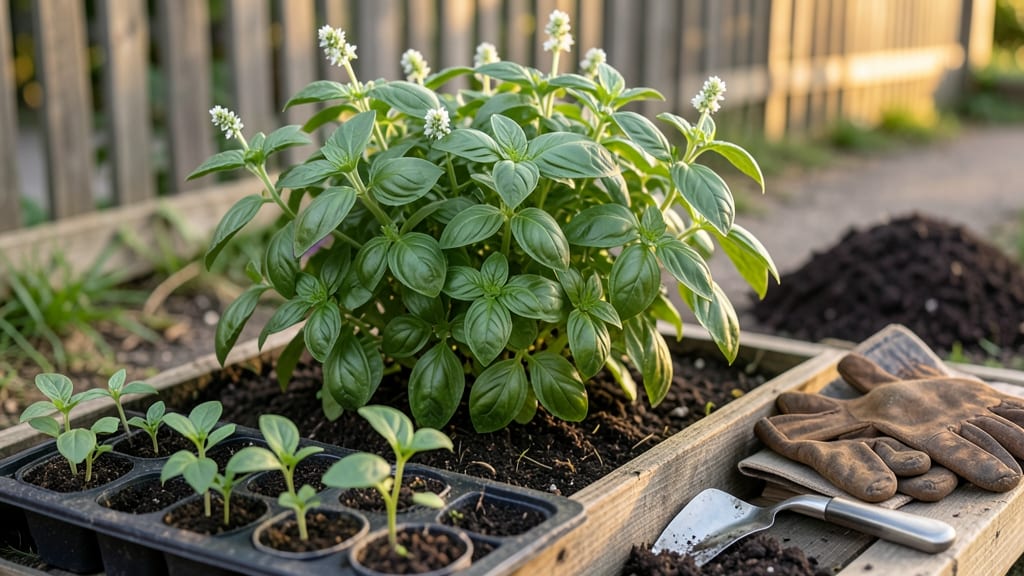
Planting basil in Georgia after your last frost date—mid-March to early April—sets you up for a thriving herb garden with bold, fragrant leaves all summer long.
Georgia’s warm climate and long growing season make basil a perfect herb to cultivate—but timing is everything to avoid bolting or stunted growth. Plant too early, and frost will kill your seedlings; too late, and the heat will turn your fragrant leaves bitter.
Most gardeners in USDA Zone 8 focus on spring planting, but a late-summer window in July or August can also yield a fall harvest before the first frost. The key is understanding your local microclimate and soil temperature.
In this guide, I’ll walk you through the exact planting schedule for Georgia, how to adjust for heat and humidity, and when to harvest for peak flavor—so you can enjoy fresh basil from May through October.
Optimal planting timeline for basil in Georgia’s USDA Zone 8 climate
Georgia’s USDA Zone 8 climate offers a 210-day frost-free window, perfect for growing basil. However, timing is critical—plant too early and frost will damage seedlings, while late planting may expose basil to Georgia’s intense summer heat, causing bolting or bitter flavors.
The key is aligning your planting schedule with soil temperature and microclimate variations across Atlanta, Savannah, and Augusta.
Basil thrives when soil temperatures reach at least 50°F (10°C), which typically occurs after Georgia’s average last frost date of March 15. For a spring harvest, start seeds indoors or outdoors in mid-March to early April.
If you prefer a fall harvest, sow seeds outdoors in late July to early August to take advantage of cooler temperatures before the first frost in mid-November.
Georgia’s microclimates can shift planting windows slightly. For example, coastal areas like Savannah experience milder winters, allowing for earlier spring plantings, while inland Atlanta may require waiting until late March for safer outdoor sowing. Always check your local frost dates and monitor soil temperatures to fine-tune your schedule.
Here’s a clear breakdown of the optimal planting timeline for basil in Georgia’s USDA Zone 8, tailored to both spring and fall growing seasons:
| Stage | Action | Timeframe (Zone 8) | Notes |
|---|---|---|---|
| Indoor Seed Starting | Sow seeds indoors | Late February to early March | Use seed trays with heat mat (70-75°F soil temp) |
| Outdoor Seed Sowing | Direct sow after last frost | Mid-March to early April | Wait until soil reaches 50°F; cover with frost cloth if needed |
| Transplant Seedlings | Move hardened-off seedlings outdoors | Late March to mid-April | Space 12-18 inches apart; avoid transplant shock |
| Spring Harvest Window | Begin harvesting leaves | May to early June | Pinch flowers to extend harvest; avoid bolting |
| Fall Seed Sowing | Direct sow for fall harvest | Late July to early August | Choose heat-tolerant varieties like Thai basil |
| Fall Harvest Window | Harvest before first frost | September to mid-November | Protect from early frosts with row covers |
| Extend Growing Season | Use containers or cold frames | Early spring/late fall | Move pots indoors before frost; use grow lights |
For spring plantings, focus on mid-March to early April to ensure seedlings establish before Georgia’s summer heat peaks. Start seeds indoors 4-6 weeks before your target outdoor date to give them a head start.
In Atlanta’s inland climate, wait until late March to avoid late frosts, while Savannah’s coastal warmth may allow earlier sowing in early March.
If you’re aiming for a fall harvest, sow seeds outdoors in late July to early August. This timing lets basil mature before temperatures drop in November. Choose heat-tolerant varieties like Thai basil or Purple Ruffles, which handle Georgia’s 90°F+ afternoons better than traditional Genovese basil.
Always monitor plants for signs of heat stress, such as yellowing leaves or wilting.
To extend the growing season, consider using containers or cold frames. Move potted basil indoors before the first frost in mid-November and place it near a south-facing window or under grow lights for continued harvests.
Alternatively, use row covers to protect outdoor plants from light frosts, allowing you to harvest well into October.
Remember, basil is a warm-season herb that bolts quickly when stressed by cold or heat. By following this month-by-month timeline, you’ll avoid common pitfalls like frost damage or bitter flavors from summer heat.
With the right timing, you can enjoy fresh, fragrant basil from May through October in Georgia’s garden.
Pro tip: Keep a planting journal to track your basil’s progress each season. Note any adjustments you make based on your local microclimate—this will help you refine your timing for even better results in future years. Happy growing!
How to adjust basil planting for Georgia’s heat and humidity challenges
Georgia’s intense afternoon sun and high humidity levels can turn your basil from fragrant and lush to bitter and stressed. The key to thriving basil in Zone 8 lies in strategic shade, consistent moisture, and pest prevention.
Without adjustments, your plants may bolt prematurely or succumb to spider mites and aphids, which love Georgia’s warm, damp conditions.
I’ve learned through trial and error that partial shade during peak heat hours (11 AM–3 PM) can extend your basil’s productive life by 3–4 weeks. Pair this with mulching to retain soil moisture and organic amendments like compost to improve drainage—critical when Georgia’s summer storms can quickly waterlog soil.
Another critical factor is watering frequency. While basil loves moisture, Georgia’s heat means soil dries out faster. Aim for deep watering every morning (before 10 AM) rather than light, frequent watering. This encourages strong root development and reduces fungal risks like powdery mildew, which thrives in humid conditions.
⚠️ WARNING: Common Mistakes That Kill Georgia Basil ⚠️
To combat pests like spider mites (common in Georgia’s dry heat), I recommend weekly neem oil sprays or introducing ladybugs to your garden.
For aphids, a strong spray of water from the hose often dislodges them—just time it for early morning to avoid stressing the plant. Prune regularly to improve air circulation, which reduces pest pressure.
For soil amendments, mix in compost and perlite (1:1 ratio) before planting to improve drainage and aeration. Georgia’s clay-heavy soils can suffocate basil roots, so this adjustment is non-negotiable. If your soil is particularly dense, consider container growing—it gives you full control over drainage and moisture levels.
Finally, harvest strategically to encourage bushier growth. Pinch off flowers and harvest outer leaves** first, leaving the inner growth intact. This not only keeps your basil productive but also signals the plant to focus on leaf production rather than seed development—critical in Georgia’s short growing window.