
Trees
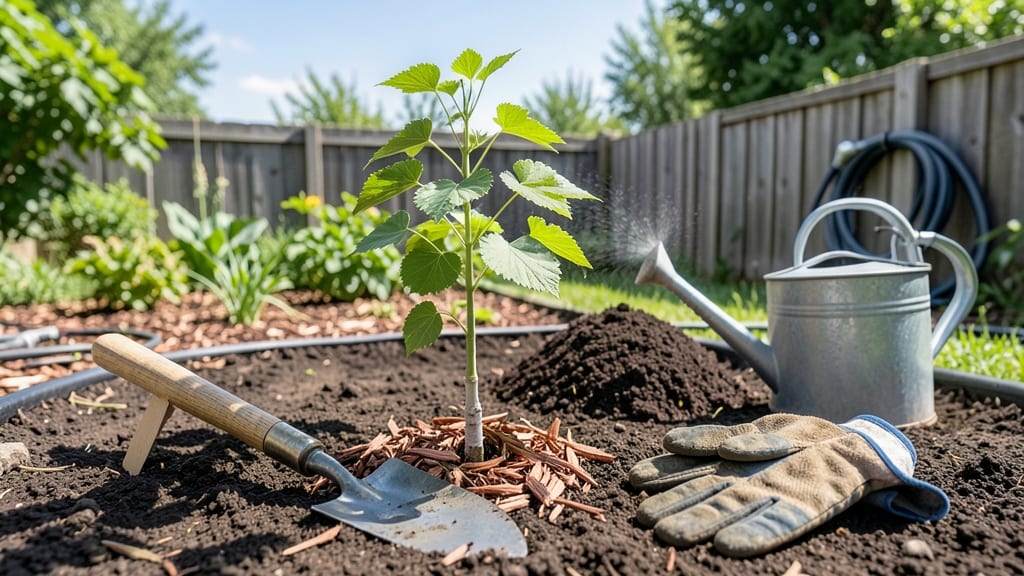
Planting aspen trees in Colorado at the right time ensures they take root before summer’s heat or winter’s frost sets in — aim for early spring or fall when soil temperatures are stable.
That golden 🌳 canopy you dream of won’t materialize if you plant too early, when frozen ground blocks roots, or too late, when fall rains can’t keep up with drought stress. Colorado’s Zone 4-7 climate demands precision, but the good news? The window is wider than you think.
Most nurseries recommend March to April for spring planting or September to October for fall, but elevation changes everything. A Denver yard and a high-mountain site can be 6 weeks apart in optimal timing — and getting it wrong means years of stunted growth.
Below, I break down the exact chill-hour matching for your region, soil prep secrets, and how to tell if your sapling is thriving (or struggling) in Colorado’s tricky microclimates.
Colorado’s chill-hour Zones 4-6: best planting months for aspen tree success
Colorado’s chill-hour requirements (Zones 4-6) play a critical role in determining the best time to plant aspen trees. These native trees need 300-600 chill hours below 45°F to thrive, and planting outside their ideal windows can lead to poor root establishment or winter dieback.
Understanding your microclimate—whether you're in Denver's urban heat island or the cooler Rocky Mountain foothills—directly impacts timing.
Spring planting offers warmer soil temperatures (ideal at 50°F+) that encourage rapid root growth, while fall planting allows roots to establish before winter dormancy. However, Colorado’s variable frost dates (April 15 in Denver vs. June 1 in higher elevations) mean your perfect window depends on elevation and local conditions.
Let’s break down the science behind these planting windows.
Soil temperature thresholds are just as important as air temperature. Aspen seedlings struggle when soil temps drop below 40°F or stay above 80°F for extended periods. In Zone 4 (e.g., Grand Junction), aim for March-April planting when soil warms to 50°F. In Zone 6 (e.g., Denver), both April and September-October work well, provided you avoid late frosts.
| Planting Window | USDA Zone | Soil Temp Threshold | Chill Hours Met | Best Months |
|---|---|---|---|---|
| Spring Planting | 4-5 | 50°F+ | 300-400 | March-April |
| Spring Planting | 6 | 55°F+ | 500-600 | April-May |
| Fall Planting | 4-5 | 45°F+ | 300-400 | September-October |
| Fall Planting | 6 | 50°F+ | 500-600 | September |
For Zone 4 gardeners (e.g., Grand Junction or Montrose), early spring planting in March-April aligns with soil warming and avoids late frosts. In these areas, aspens need 300-400 chill hours, which they accumulate naturally by late winter.
Planting too early (February) risks frost-heaving of young roots, while waiting until May may stress seedlings before summer heat arrives.
In Zone 5 (e.g., Fort Collins or Boulder), both spring (April) and fall (September-October) work, but fall planting has a slight edge. Cooler fall nights help roots establish before winter, while spring planting benefits from longer daylight hours for early growth.
Always check 7-day soil forecasts—if temps dip below 40°F within 2 weeks of planting, delay until conditions stabilize.
Zone 6 gardeners (e.g., Denver or Colorado Springs) have the most flexibility with April-May or September planting. However, Denver’s urban heat island effect can push soil temps above 80°F by June, making late spring planting risky.
For fall plantings, aim to finish by mid-September to allow 4-6 weeks of root establishment before hard frosts.
Regardless of zone, avoid planting during extreme weather. Heavy rains in spring can waterlog soil, while summer planting (June-August) exposes seedlings to heat stress and drought conditions. Always test soil moisture—stick your finger 2 inches deep; if dry, it’s time to water before planting.
Mulch with 3-4 inches of wood chips to regulate soil temperature and retain moisture.
Pro tip: Use a soil thermometer to confirm temps before planting. In high-elevation areas (e.g., Aspen or Leadville), wait until May for spring planting, as frost dates can extend into June.
For fall plantings, September is ideal—roots grow until hard frosts, but seedlings won’t be caught off guard by early snow.
Remember, aspen trees are fast
Step-by-Step aspen planting timeline for Colorado’s mountain and Front Range regions
Colorado’s Front Range and mountain regions have wildly different planting windows for aspen trees. In Denver (Zone 5), your ideal window is late March through April, while Aspen (Zone 4) gardeners should wait until May or even early June due to later snowmelt.
Timing isn’t just about months—it’s about soil temperatures (aim for 45°F+ consistently) and chill hours (aspen needs 1,500+ hours below 45°F annually).
For fall planting, Denver’s window is September 15-October 15, while higher elevations like Boulder County can extend until October 30. The key is planting 6-8 weeks before first frost—too early, and roots won’t establish; too late, and winter stress sets in.
I’ve broken this down into a regional step list to ensure your aspen thrives from day one.
🌳 Aspen Planting Timeline by Colorado Region
- 📅 Step 1: Test Soil (Feb-March) - Use a soil thermometer to confirm 45°F+ soil temps. In Denver/Boulder, this is usually late March; in Aspen, wait until May.
- 🌱 Step 2: Prep Site (2 Weeks Before Planting) - Amend clay-heavy soils with compost + sand (aspen hates soggy roots). Dig a hole twice as wide as the root ball but no deeper.
- 🌿 Step 3: Plant Bare-Root Saplings (Regional Windows)
- Denver/Boulder (Zone 5-6): March 20-April 15 (spring) or Sept 15-Oct 15 (fall)
- Aspen/Eagle (Zone 4): May 1-June 10 (spring only—fall frost comes too soon)
- Grand Junction (Zone 6): March 1-April 10 (earlier due to warmer microclimate)
- 💧 Step 4: Watering Schedule - First 2 weeks: Water daily (10-15 gallons per tree). After establishment, deep water every 7-14 days. Mulch with 3 inches of wood chips to retain moisture.
- ✂️ Step 5: Pruning & Care - Prune dead branches in early spring only. Avoid heavy pruning for first 3 years. Fertilize with 10-10-10 in April and September for young trees.
- ❄️ Step 6: Winter Prep (Oct-Nov) - In Zone 4, wrap young saplings with burlap to protect from desiccating winds. In Zone 5-6, no extra care is needed if planted by October 15.
One critical mistake I see is planting aspen too deep—always keep the root collar at or slightly above ground level. Aspens are fast growers once established, but poor planting depth can strangle roots for years.
For high-elevation sites, add mycorrhizal fungi to the planting hole to boost root growth in thin mountain soils.
Monitor your sapling’s new growth in first spring—healthy aspens shoot up 1-2 feet annually. If growth stalls, check for compacted soil or deer browsing (common in mountain areas). In Denver’s urban heat islands, aspens may need extra afternoon shade for the first year to prevent transplant shock.
By following this timeline, your aspen will establish strong roots before Colorado’s brutal winters or summer droughts hit. Within 3 years, you’ll see that iconic golden canopy—but only if you nail the timing and care. Ready to plant? Grab your soil thermometer and mark your calendar! 🌳