
Plants
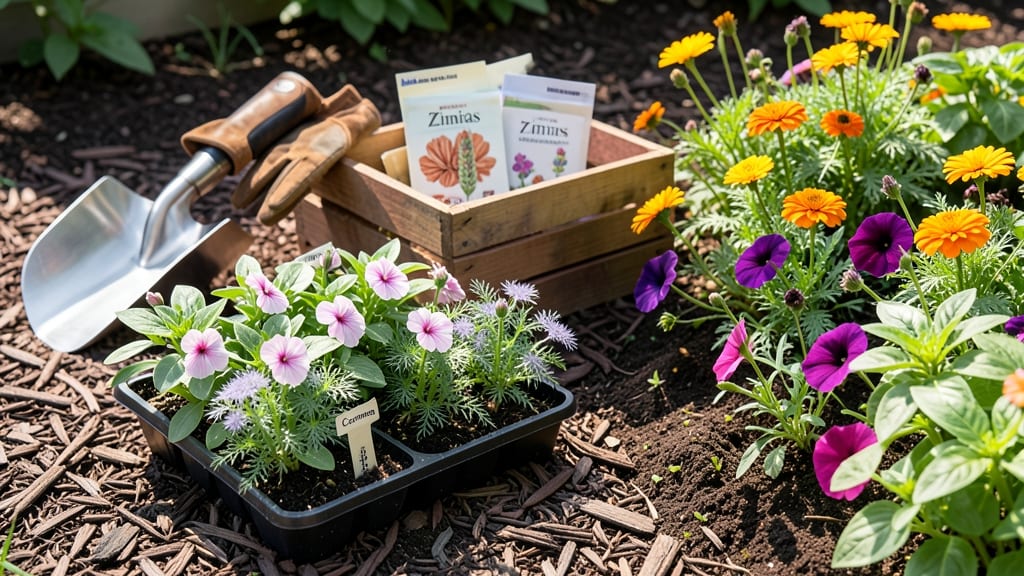
Planting annuals in New Jersey after the last frost date is the key to unlocking a garden bursting with color and flavor 🌸 — and missing that window can leave you with sad, stunted plants instead.
Timing your annual plantings in New Jersey’s unpredictable climate can mean the difference between vibrant summer blooms and wilted disappointment. With frost dates shifting by region and microclimates throwing curveballs, knowing the exact window for spring and fall plantings is non-negotiable.
Whether you're dreaming of sunflowers stretching toward the sky or tomatoes ripening in July, this guide breaks down the frost-date timeline for North, Central, and South Jersey — plus the best annuals to plant by month and how to handle Mother Nature’s surprises.
You’ll learn when to start seeds indoors, how to adjust for late frosts, and which varieties thrive in NJ’s 6a-7b zones — so you can finally get those peak blooms you’ve been waiting for.
NJ frost dates 2024: exact last frost timelines by region
New Jersey’s last spring frost dates vary dramatically by region, making precise timing critical for your annual flowers and vegetables. Whether you’re in North Jersey’s cooler mountains or South Jersey’s coastal warmth, knowing these dates helps you avoid frost damage while maximizing your garden’s potential.
Historical data shows North Jersey typically experiences its last frost around April 20-25, while Central Jersey averages April 10-15, and South Jersey often sees frost-free conditions by April 1-5.
Microclimates add another layer of complexity. Urban areas like Newark or Jersey City may warm up faster due to heat island effect, while rural spots like the Pine Barrens can linger colder.
Coastal regions near Atlantic City or Cape May also benefit from moderating ocean breezes, delaying early frosts in fall. For warm-season annuals like tomatoes and marigolds, planting too early risks frost damage, while cool-season crops like lettuce and pansies need to establish roots before summer heat arrives.
| Region | Avg. Last Frost | Avg. First Frost | Plant Warm-Season After | Plant Cool-Season By |
|---|---|---|---|---|
| North Jersey (USDA 6a) | April 20-25 | October 15-20 | May 1-5 | August 15-20 |
| Central Jersey (USDA 6b-7a) | April 10-15 | October 5-10 | April 25-May 1 | August 25-Sept 1 |
| South Jersey (USDA 7a-7b) | April 1-5 | October 1-5 | April 15-20 | September 1-5 |
| Microclimate Adjustments: | ||||
| Urban Areas (e.g., Newark) | April 5-10 (earlier) | October 10-15 | April 20-25 | August 20-25 |
| Coastal Areas (e.g., Cape May) | March 25-April 1 | October 10-15 | April 10-15 | September 5-10 |
For cool-season annuals like pansies, snapdragons, and broccoli, aim to plant 6-8 weeks before your average last frost. This means Central Jersey gardeners should start seeds indoors by late February, while North Jersey growers should begin in early March.
Harden off seedlings and transplant outdoors 2-3 weeks before the expected last frost date to give them time to establish roots.
Warm-season crops such as tomatoes, peppers, and zinnias demand patience—wait until soil temperatures consistently reach 50°F and nighttime temperatures stay above 50°F. In North Jersey, this typically aligns with May 1-5, while South Jersey can start as early as April 15-20.
Use row covers or cold frames to extend your planting window if needed, especially for heat-loving varieties like basil or okra.
Fall planting for cool-season annuals like kale, radishes, and calendula should begin 8-10 weeks before your first frost. This translates to Central Jersey starting in early August and South Jersey pushing into mid-August. Monitor local weather forecasts and adjust timelines if unseasonable warmth delays frost.
For example, the 2023 late frost in April caught many gardeners off guard, so always have row covers on hand for late-season protection.
Urban gardeners in Newark or Jersey City often enjoy earlier planting dates due to the urban heat island effect, which can raise temperatures by 5-10°F compared to rural areas. However, these zones can also experience flash frosts in spring, so keep an eye on local weather alerts.
Conversely, coastal regions like Atlantic City benefit from moderating ocean breezes, which can delay both spring and fall frosts by 1-2 weeks.
To fine-tune your planting schedule, check the NJ Agricultural Experiment Station’s frost
Best annual flowers and vegetables to plant by month in NJ
New Jersey’s growing season offers a perfect window for planting annual flowers and vegetables that thrive in our 6a-7b climate zones. By aligning your plantings with the last frost dates and seasonal shifts, you can enjoy continuous blooms and harvests from spring through fall.
For spring plantings, focus on cool-season crops and flowers that tolerate light frosts, while summer is ideal for heat-loving varieties. Fall plantings let you squeeze in another round of cool-season crops before the first frost. Here’s my month-by-month breakdown of the best annuals to plant in NJ.
🌱 When to Plant Annuals in NJ by Month
- March-April (Cool-Season): Pansies, Snapdragons, Lettuce, Peas, Spinach – Plant these 4-6 weeks before last frost (typically mid-April in NJ).
- May-June (Warm-Season): Marigolds, Zinnias, Tomatoes, Basil, Cucumbers – Wait until soil reaches 50°F+ and after last frost (late May in North NJ, early May in South NJ).
- July-August (Succession Planting): Bush Beans, Nasturtiums, Swiss Chard, Kale – Replace early crops with heat-tolerant varieties for extended harvests.
- August-September (Fall Planting): Cosmos, Calendula, Broccoli, Radishes, Arugula – Plant 6-8 weeks before first frost (mid-October in NJ) for fall blooms and harvests.
Succession planting is your secret weapon for non-stop harvests. For example, after harvesting early lettuce or radishes, replant with bush beans or carrots in July to keep your garden productive.
Similarly, marigolds and zinnias thrive in summer but can be followed by pansies or calendula in late summer for fall color.
Don’t forget about herbs like basil and cilantro, which perform best when planted in early spring or late summer. Basil, for instance, bolts in heat, so a fall planting often yields the sweetest leaves.
For vegetables, tomatoes and peppers planted in May-June will reward you with summer harvests, while kale and spinach planted in August will survive light frosts for fall harvests.
Pro tip: Use row covers or cold frames to extend your planting windows. This lets you start cool-season crops like broccoli in early spring or keep herbs like cilantro producing well into fall. Just remove covers when temperatures rise above 75°F to avoid overheating.
With this timeline, your NJ garden can be a year-round showstopper—whether it’s sunflowers nodding in summer or pansies brightening winter beds. Happy planting! 🌻