
Planting
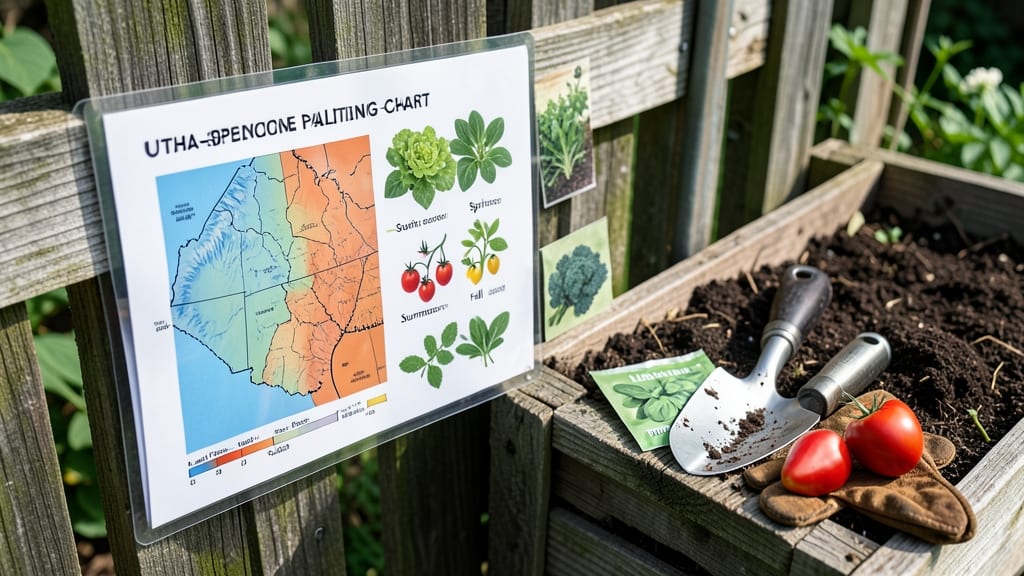
Planting a garden in Utah depends on your elevation—low deserts like St. George thrive in early spring, while mountain zones near Park City wait until late May to avoid frost.
Utah’s diverse elevations—from desert valleys to high mountain slopes—create wildly different planting windows, making timing the difference between a thriving garden and a failed experiment. Get the exact months to plant in your Utah zone for maximum success.
Cool-season crops like spinach and peas go in as early as mid-March in St. George, while high-altitude areas like Salt Lake City wait until mid-April to avoid late frosts. Warm-season favorites like tomatoes and peppers need to wait until after May 15 in most regions.
Below, I break down the best planting windows by elevation, the crops that thrive in each zone, and how to adjust for Utah’s unpredictable weather—so you can finally grow the garden you’ve always wanted.
Utah planting calendar by elevation: low to high desert vs mountain zones
Utah’s dramatic elevation shifts—from low desert valleys like St. George to mountain slopes near Park City—mean your planting schedule should match your zip code. The last frost dates can vary by 6+ weeks, while summer heat arrives earlier at lower elevations.
Get your timing right, and you’ll enjoy a longer growing season with fewer failures.
For low desert zones (USDA 8a-9a), like Washington County, the growing season stretches from February to November. Meanwhile, high mountain areas (USDA 5a-6a), such as Summit County, only see 90-120 frost-free days, limiting you to short-season crops.
Understanding these differences is key to choosing the right cool-season vs. warm-season crops.
Cool-season crops like spinach, peas, and broccoli thrive in Utah’s spring and fall, while warm-season favorites such as tomatoes, peppers, and squash need consistent warmth. In low desert, you can plant tomatoes in March, but in mountain zones, wait until mid-May to avoid frost damage.
Frost dates are your garden’s guiding stars. In St. George, the average last frost is March 15, while Salt Lake City sees its last frost around April 15. Park City gardeners? Hold off until May 15 for safety. Always check local USU Extension resources for updated frost data, as microclimates can shift these dates by weeks.
Spring planting in Utah typically starts 4-6 weeks before your last frost date, but warm-season crops need soil temps above 60°F. Use a soil thermometer to check—low desert soil heats up faster than mountain soil. For cool-season crops, start seeds indoors 6-8 weeks before transplanting to beat the rush.
| Zone/Elevation | Last Frost | First Frost | Cool-Season Planting | Warm-Season Planting | Fall Planting Window |
|---|---|---|---|---|---|
| Low Desert (St. George, 2,800-4,000 ft) | March 15 | November 15 | Feb 15 - Apr 1 | Mar 1 - May 15 | Aug 1 - Sep 30 |
| Mid-Elevation (Salt Lake City, 4,200-5,500 ft) | April 15 | October 15 | Mar 15 - Apr 30 | May 1 - Jun 15 | Jul 15 - Aug 31 |
| High Mountain (Park City, 6,000-10,000 ft) | May 15 | September 15 | Apr 15 - May 15 | Jun 1 - Jul 15 | Jul 1 - Aug 15 |
*Adjust dates 1-2 weeks earlier for sheltered microclimates or later for exposed areas.
In low desert zones, spring planting can start as early as February for hardy greens like kale or arugula.
By March, you can direct-sow warm-season crops like peppers and eggplants, which love the long, hot summers. Fall planting extends into October, giving you a second harvest of broccoli and carrots before winter.
At mid-elevations, like Salt Lake City, cool-season crops get a longer window—start spinach and peas in March and enjoy harvests until June.
For warm-season crops, wait until after May 15 to avoid late frosts. Fall planting should begin by July 15 for a September-October harvest.
High mountain gardeners face the shortest season but can still grow fast-maturing crops. Focus on cool-season staples like radishes, lettuce, and bush beans, which thrive in short, cool summers. Warm-season crops like tomatoes and cucumbers need to be started indoors in April and transplanted by June 1 to ripen before frost.
Pro tip: Use row covers or cold frames to extend your season in mountain zones, or <
Best vegetables to plant in Utah’s unique microclimates
Utah’s dramatic elevation shifts—from the low desert’s 2,000-foot valleys to mountain slopes above 8,000 feet—demand a tailored approach to vegetable gardening. The wrong crop in the wrong zone can mean bolting greens or frozen tomatoes.
But with the right selections, you’ll enjoy bountiful harvests year-round. Here’s my curated list of top-performing vegetables for Utah’s three distinct zones, plus soil prep secrets to set each plant up for success.
For low desert areas (USDA Zone 7-8), like St. George or Cedar City, focus on heat-loving crops that thrive in 100°F+ temperatures. These varieties handle Utah’s intense summer sun and low humidity without wilting.
In contrast, mid-elevation zones (Zone 5-6), such as Salt Lake City or Provo, benefit from cool-season staples that tolerate late frosts and cooler nights. Finally, high mountain gardens (Zone 4), like Park City or Ogden, need cold-hardy crops that survive short growing seasons and chilly soils.
🌱 Styled List: Utah’s Best Vegetables by Elevation Zone