
Planting
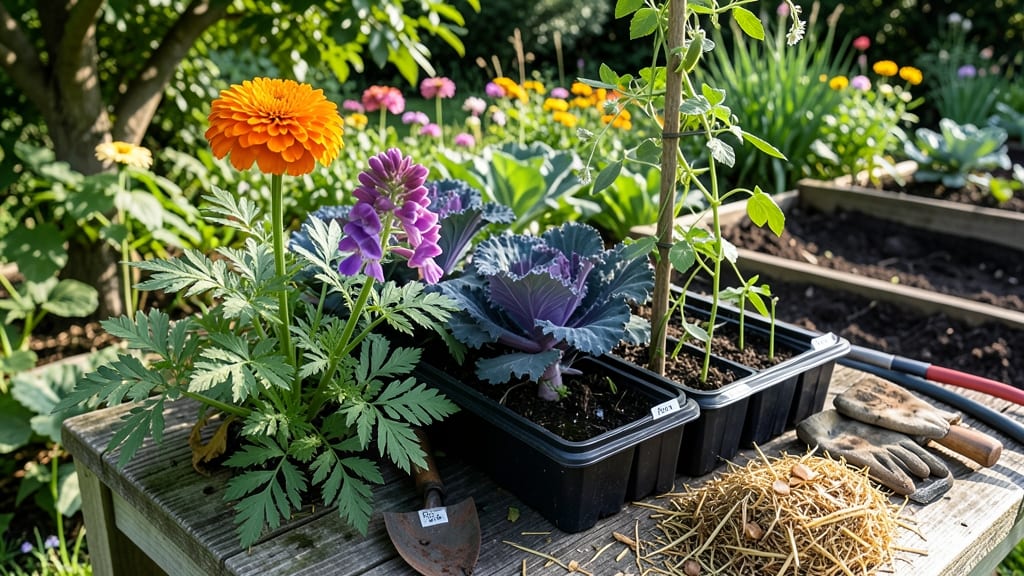
Planting a garden in Minnesota means timing your crops to beat the frost — late April to early May is the sweet spot for most vegetables, but hardy greens like kale and peas can go in as early as March.
Miss that window and you risk frost damage or a season too short for warm-season plants like tomatoes. I’ve seen firsthand how a few weeks’ difference can turn a bountiful harvest into a sad, stunted mess.
Minnesota’s USDA Zones 4-5 demand careful planning, especially with 60-90 frost-free days to work with. Whether you’re in the Twin Cities or Duluth, knowing your last frost date is the key to success.
In this guide, I’ll break down the best planting times for your favorite crops, how to adjust for microclimates, and even how to stretch your season with row covers. Let’s get that 🌱 garden growing!
Minnesota planting timeline by USDA Zone 4-5: frost dates & hardiness charts
Minnesota gardeners face unique challenges with its short growing season and variable frost dates. Understanding your USDA Zone 4-5 and local frost averages—like the Twin Cities' last frost around May 15—helps you time plantings for maximum success.
Duluth's lake-effect climate delays spring by 1-2 weeks, while Rochester's microclimate often warms faster.
Cold-hardy crops like kale, peas, and potatoes thrive when planted early, while tomatoes and peppers need warmer soil temperatures. My month-by-month guide breaks down ideal planting windows based on regional averages, ensuring you avoid frost damage while maximizing harvests before the first frost in late September.
🌱
For Twin Cities gardeners, aim to plant cool-season crops by May 15 and warm-season crops after May 22, when soil temperatures consistently reach 55°F. In Duluth, delay warm-season starts by 1-2 weeks due to cooler lake breezes, while Rochester often allows earlier plantings thanks to its warmer microclimate.
My hardiness chart trick: Use a soil thermometer to confirm 50°F soil for peas and 60°F for tomatoes. Cold soil slows germination, wasting your limited growing season. I always test soil for 3 consecutive days before planting warm-season crops to avoid disappointment.
Don’t forget succession planting—sow lettuce and radishes every 2 weeks from May through July to ensure a
How to adjust planting dates for Minnesota’s microclimates & soil temperatures
Minnesota’s microclimates can shift planting windows by weeks—even blocks apart. Urban areas like Minneapolis often experience urban heat islands that warm up faster than rural zones, while lake-effect regions near Duluth stay cooler longer. I’ve seen tomato plants thrive in a downtown Minneapolis garden while struggling just 10 miles north.
Soil temperature matters just as much as air temperature. A soil thermometer ($10 at garden centers) is your best friend—most vegetables need soil at 40°F+ for germination. Peas and spinach can handle cooler 35-40°F soils, but warm-season crops like cucumbers won’t germinate below 60°F.
I always test my soil at 6 inches deep for accurate readings.
🌱
⚠️ Microclimate Mistakes Cost Gardens
Planting too early in cool zones risks frost damage, while delaying in heat islands shortens harvest windows. My 2022 zucchini in St. Paul bolted by July because I ignored the 5°F warmer soil temps compared to my neighbors' yards.
Solution: Adjust planting dates by 1-2 weeks based on your specific zone—use the Minnesota DNR’s frost maps as a baseline, then tweak with local observations.
For lake-effect zones (like the North Shore), extend your season by 10-14 days later than average. The cool lake breezes delay soil warming, so wait until May 20-June 1 for warm crops.
I’ve had success with cold frames in these areas—adding just 2-3°F can make the difference between a failed crop and a bountiful one.
Row covers are my go-to for extending seasons. A floating row cover can add 4-6°F of warmth and protect against late frosts. I use them to plant spinach and lettuce as early as April 15 in the Twin Cities, then remove them by June 1 to prevent overheating.
For tomatoes and peppers, I start them indoors in late March and transplant after the last frost.
Don’t forget about succession planting—it’s how I squeeze extra harvests from Minnesota’s short season. Plant radishes every 2 weeks from May through July, and bush beans every 3 weeks from late May to early June. This keeps my kitchen stocked with fresh produce when other gardens are winding down.
🌿