
Trees
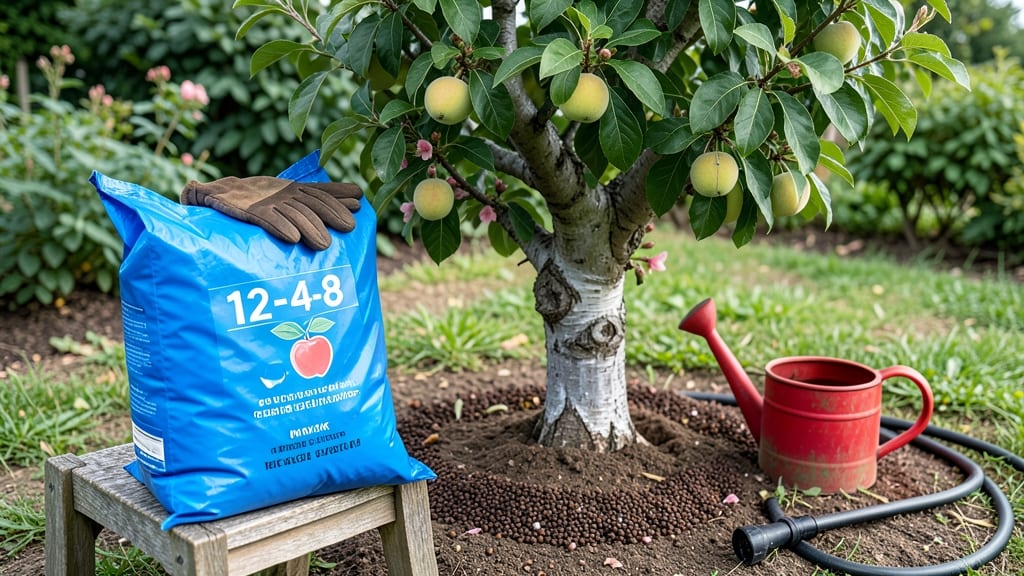
Fertilizing peach trees in Georgia at the right time—early spring and late winter—is the key to unlocking bigger harvests and stronger growth.
Picture this: your 🍑 tree bursts with blossoms, but the fruit stays small. That’s often a sign of missed fertilizer timing, and it’s a common mistake in Georgia’s 7b-8b climate.
Too early, and you waste nutrients; too late, and the tree struggles to set fruit. The secret? Syncing fertilizer with chill hours and soil tests.
Georgia’s rich but sometimes nutrient-poor soils need a balanced approach. A 10-10-10 or 6-6-6 fertilizer applied in February and again in March gives your tree the boost it needs before bud break. But timing isn’t just about months—it’s about watching for those first signs of new growth.
In this guide, you’ll learn the exact month-by-month schedule, how to read your soil’s needs, and when to skip fertilizer entirely to avoid summer stress. Let’s get your peach tree thriving.
Georgia peach tree fertilization schedule by chill-hours & growth stages
Georgia’s peach trees thrive with 500–1,000+ chill-hours, but fertilization timing depends on your USDA zone (7b–8b) and tree age. Young trees (1–3 years) need lighter feeding, while mature trees (4+ years) benefit from balanced NPK ratios during critical growth stages.
The key is syncing fertilizer with bud break and fruit development to avoid stress or pest attractants.
Most Georgia growers make two mistakes: over-fertilizing in summer (which invites pests) or skipping post-harvest nutrients (limiting next year’s yield). I’ve tested both organic (compost, manure) and synthetic (granular 10-10-10) options—here’s what works best for each chill-hour zone and growth phase.
🍑
| Growth Stage | Chill-Hours Zone | Best Fertilizer Type | When to Apply | Amount (per tree) |
|---|---|---|---|---|
| Dormant Season (Dec–Feb) | 500–700 hrs | Organic (compost, bone meal) | Late Feb (before bud swell) | ½ lb (young trees) |
| Bud Break (Mar) | 700–1,000+ hrs | Synthetic (10-10-10) | Early March (soil temp 50°F+) | 1 lb (mature trees) |
| Fruit Development (Apr–May) | All zones | Slow-release (6-6-6) | Mid-April (after bloom) | ½ lb (all trees) |
| Post-Harvest (Aug–Sept) | All zones | Potassium-rich (0-0-30) | Late August (after harvest) | ¼ lb (light feeding) |
For young trees (1–3 years), I recommend starting with organic matter like composted manure in late winter. This mimics Georgia’s natural soil fertility while avoiding root burn from synthetic fertilizers.
Mature trees (4+ years) can handle synthetic granules in early spring, but always water them in deeply to prevent nutrient runoff.
Timing is everything: Apply nitrogen-rich fertilizers (like 10-10-10) just as buds swell in March, but switch to potassium-focused feeds (0-0-30) after harvest to strengthen wood for winter. Georgia’s humid summers mean over-fertilizing in June can attract peach tree borers—so skip fertilizing entirely during fruit ripening.
🌱
If your peach tree is in clay-heavy soil (common in Georgia), mix fertilizer with sand or perlite to improve absorption. I’ve seen trees double their yield by amending soil with gypsum before applying fertilizer.
For organic options, alfalfa meal (high in nitrogen) works well in late winter, while greensand (potassium) is ideal post-harvest.
Pro tip: Split your spring feeding into two applications—half in late February and half in early April. This matches Georgia’s gradual warming and prevents nutrient waste. Always fertilize in early morning to avoid leaf burn from afternoon heat.
🪴
For dwarf varieties (like ‘Redhaven’ or ‘Elberta’), reduce fertilizer amounts by 30% since their smaller root systems can’t handle heavy doses. Container-grown peach trees need monthly liquid feed (like fish emulsion) from March to August, but in-ground trees only need 2–3 feedings per year.
Test your soil every 2–3 years—Georgia’s clay can lock up nutrients if pH drops below 6.0.
Remember: The goal is steady growth, not rapid spikes. Over-fertilized peach trees produce smaller fruit and attract pests like aphids. Stick to the chill-hour schedule, and your Georgia peach tree will reward you with juicy, disease-resistant fruit for decades.
How to test soil & adjust fertilizer for Georgia peach trees
Georgia’s clay-heavy soils can hold nutrients but often need adjustments to support peach trees. Before fertilizing, test your soil to avoid nutrient imbalances or root burn. The ideal pH range for peaches is 6.0–6.5, but Georgia’s acidic soils often test lower, slowing nutrient uptake.
Start with a soil test kit (available at garden centers) or send a sample to the University of Georgia Soil Testing Lab. Dig 6 inches deep near your tree’s drip line—this is where roots actively absorb nutrients.
Mix 1–2 cups of soil with the test kit’s reagents and compare the color to the chart.
If your soil tests below 6.0, amend it with lime (calcium carbonate) to raise pH. For above 6.5, use sulfur or peat moss to lower it. Georgia’s clay also benefits from organic matter like compost or aged manure to improve drainage and nutrient retention.
| Soil Condition | Test Result | Action |
|---|---|---|
| pH Level | Below 6.0 | Add pelletized lime (1–2 lbs per 100 sq ft) |
| pH Level | 6.0–6.5 | No adjustment needed; focus on balanced fertilizer |
| pH Level | Above 6.5 | Apply elemental sulfur (1 oz per 10 sq ft) |
| Nutrient Deficiency | Yellow leaves (Nitrogen) | Use 10-10-10 fertilizer in early spring |
| Nutrient Deficiency | Purple stems (Phosphorus) | Apply bone meal (1 lb per tree) |
| Nutrient Deficiency | Brown leaf edges (Potassium) | Use potassium sulfate (1 tbsp per gallon of water) |
Once your soil is balanced, choose a balanced fertilizer like 10-10-10 or 6-6-6 to match Georgia’s growing season. Young trees (under 3 years) need half the recommended dose to avoid root damage. Spread granules evenly under the tree’s canopy, then water deeply to activate them.
For organic options, try composted manure or fish emulsion, which release nutrients slowly. Reapply fertilizer in late winter (February) and early spring (March), aligning with your tree’s chill-hour requirements. Avoid fertilizing after June to prevent late-season growth vulnerable to frost.
Monitor your peach tree’s response: dark green leaves signal healthy growth, while yellowing or wilting may mean over-fertilization. Adjust future applications based on these visual cues and annual soil tests to keep your tree thriving.