
Fertilization
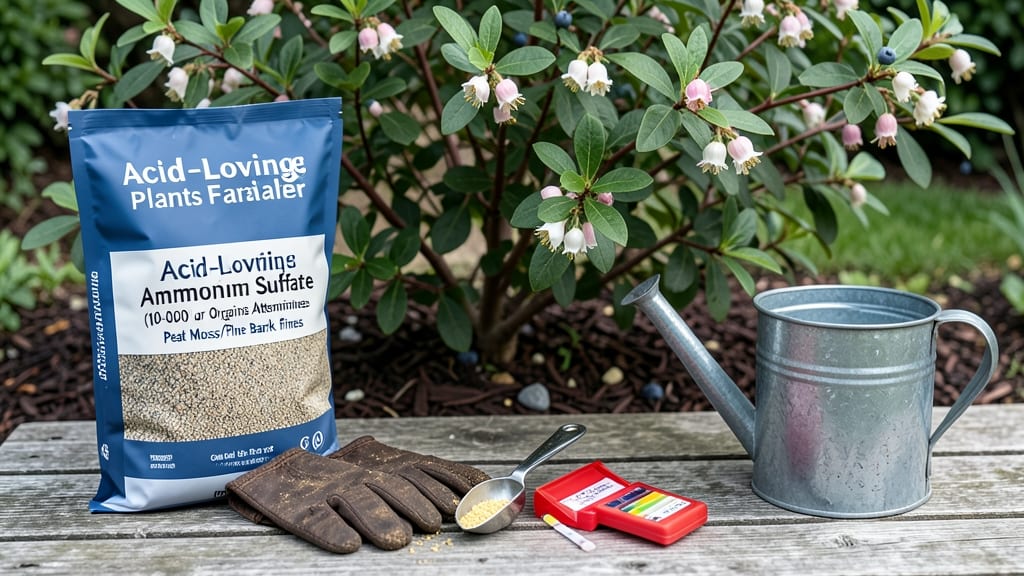
Fertilizing blueberries in Florida requires precise timing to match their unique chill-hour needs and the state’s warm climate—skip the wrong window, and you’ll starve your 🫐 bushes just as they’re about to fruit.
Most gardeners assume spring is the only time to feed blueberries, but Florida’s lack of frost means you’re actually working with a year-round schedule—one where summer heat and post-harvest stress change everything. The key? Aligning fertilizers with growth spurts, not just the calendar.
In this guide, I’ll walk you through the exact months to fertilize—from pre-bloom in late winter to post-harvest in early summer—plus how to adjust for Florida’s alkaline soils and avoid burning your plants in the process.
You’ll learn which fertilizers work best (and which to avoid), how often to feed without overdoing it, and the simple soil tests that save you from costly mistakes. Let’s get those blueberries thriving.
Florida blueberry fertilization timeline by chill-hour requirements
Florida’s blueberries thrive when you align fertilization with their chill-hour needs. Varieties like ‘Emerald’ (400-500 hours) or ‘Premier’ (700-800 hours) require precise timing to avoid stress. In Central Florida, cooler winters mean earlier fertilization windows, while Southern Florida’s mild climate shifts schedules by 2-3 months.
The key is feeding during active growth phases—pre-bloom, bloom, and post-harvest—while avoiding Florida’s heat stress.
Southern Florida’s ‘Climax’ (600 hours) blueberries need fertilization in late January to kickstart growth, while Central Florida’s ‘Emerald’ (450 hours) benefits from early February feeds. The USDA Zone 9-11 climate means no winter dormancy, so fertilization must mirror Florida’s rainfall patterns and temperature fluctuations.
Skipping this balance risks poor fruiting or even plant decline.
Here’s your month-by-month fertilization guide, tailored to Florida’s unique growing zones:
| Variety | Chill Hours | Pre-Bloom Feed | Bloom Feed | Post-Harvest Feed |
|---|---|---|---|---|
| Emerald | 400-500 | Late Jan (Central FL), Feb (Southern FL) | Early Mar (Central), Late Mar (Southern) | May-June |
| Climax | 600-700 | Late Feb (Central), Early Mar (Southern) | Early Apr (Central), Mid-Apr (Southern) | June-July |
| Premier | 700-800 | Early Mar (Central), Late Mar (Southern) | Late Apr (Central), Early May (Southern) | July-Aug |
For ‘Emerald’ blueberries (400-500 chill hours), the pre-bloom feed in late January (Central) or February (Southern) jumpstarts root growth. Use a balanced 10-10-10 fertilizer with ammonium sulfate to lower soil pH. In Southern Florida’s heat, delay until February to avoid fertilizer burn during dry spells.
When buds form, switch to a higher-phosphorus feed (12-4-8) in early March (Central) or late March (Southern). This supports flower development and prevents bloom drop. In Florida’s humid climate, water deeply after fertilizing to flush excess salts from the root zone.
After harvest (May-June for ‘Emerald’), apply a light potassium-rich fertilizer (5-10-10) to replenish nutrients. This phase is critical for next year’s fruit set. In Southern Florida’s wetter summers, reduce fertilizer by 25% to avoid leaching and root rot.
For ‘Premier’ (700-800 chill hours), delay pre-bloom feeds until early March (Central) or late March (Southern). These varieties need longer cool periods to break dormancy, so avoid fertilizing before consistent 60°F nights. Use peat moss or sulfur to maintain pH 4.5-5.5, as Florida’s soils are naturally alkaline.
During bloom time (April-May), increase nitrogen slightly (12-6-6) to support fruit development. In Central Florida’s drier springs, pair fertilization with drip irrigation to prevent stress cracks on young berries. Southern Florida growers should fertilize in early mornings to reduce evaporation loss.
Post-harvest (July-August), focus on organic matter like composted leaves or cottonseed meal. This builds soil structure for Florida’s sandy soils while avoiding salt buildup. Test soil pH every 6 months—Florida’s limestone parent material raises pH over time, requiring annual sulfur applications.
Skip fertilization in winter (Dec-Feb), even for Southern Florida varieties. The shorter daylight hours reduce plant uptake, risking root burn. Instead, mulch with pine bark to retain moisture and gradually acidify soil.
Pro tip: Use slow
Best fertilizers for Florida blueberries: NPK ratios & soil pH adjustments
Florida’s alkaline soils (pH 7.0+) pose a major challenge for blueberry growers, since these plants thrive in acidic soil (pH 4.5–5.5). Choosing the right fertilizer type and NPK ratio isn’t just about feeding your plants—it’s about creating the perfect environment for root health and fruit production.
Organic options like cottonseed meal and peat moss gradually acidify soil, while synthetic fertilizers like ammonium sulfate deliver quick results. Let’s break down the best choices for Florida’s unique conditions.
For early-season growth (January–March), I recommend a balanced NPK ratio like 10-10-10 to encourage root and shoot development. Once flowering begins (March–April), switch to a lower-nitrogen formula, such as 12-4-8, to support fruit set without excessive foliage.
Florida’s warm winters mean blueberries can produce year-round, so adjust your fertilization schedule accordingly. Always pair fertilizers with sulfur or iron to maintain that critical acidic pH.
Organic vs. Synthetic Fertilizers for Florida Blueberries
- ✅ Gradually acidifies soil (ideal for long-term pH control)
- ✅ Improves soil structure with organic matter
- ✅ Reduces risk of root burn (safer for Florida’s heat)
- ✅ Examples: Cottonseed meal, peat moss, pine bark fines
- ✅ Fast-acting for immediate nutrient boosts
- ✅ Precise NPK ratios for targeted growth stages
- ✅ Often contains sulfur for quick pH adjustment
- ✅ Examples: Ammonium sulfate, acid-loving plant formulas
Florida’s alkaline soils often require monthly pH checks to keep blueberries happy. If your soil tests above pH 6.0, amend with elemental sulfur (1–2 lbs per 100 sq ft) or peat moss (3–4 inches mixed into the top 6 inches of soil).
For a quick fix, use an acidifying fertilizer like ammonium sulfate, which lowers pH while providing nitrogen. Always water thoroughly after applying sulfur-based amendments to activate the acidification process.
Timing your fertilizer applications is just as critical as the product itself.
In Florida’s warm winters, blueberries can grow year-round, but the peak fertilization windows are: - January–February: Light feed with 10-10-10 to stimulate early growth. - March–April: Shift to 12-4-8 during bloom for fruit development. - May–June: Post-harvest feed with organic matter (compost or cottonseed meal) to replenish nutrients.
Avoid fertilizing in July–August during Florida’s peak heat to prevent stress.
One of my biggest fertilization mistakes was overdoing synthetic nitrogen in Florida’s heat, which led to leaf burn and stunted growth. Always follow the 1/4 to 1/2 cup per plant rule for synthetic fertilizers and double-check soil moisture before applying.
Organic options like pine bark fines or composted leaves are safer bets for Florida’s intense sun. Pair your fertilizer with 2–3 inches of mulch (pine straw or wood chips) to retain moisture and slowly acidify the soil.
Remember, Florida blueberries aren’t just about fertility—they’re about acidity. Test your soil every 3–6 months and adjust your fertilizer strategy accordingly. With the right NPK ratios and pH management, your plants will reward you with juicy, sweet berries year after year—even in Florida’s challenging climate. 🫐