
Fertilization
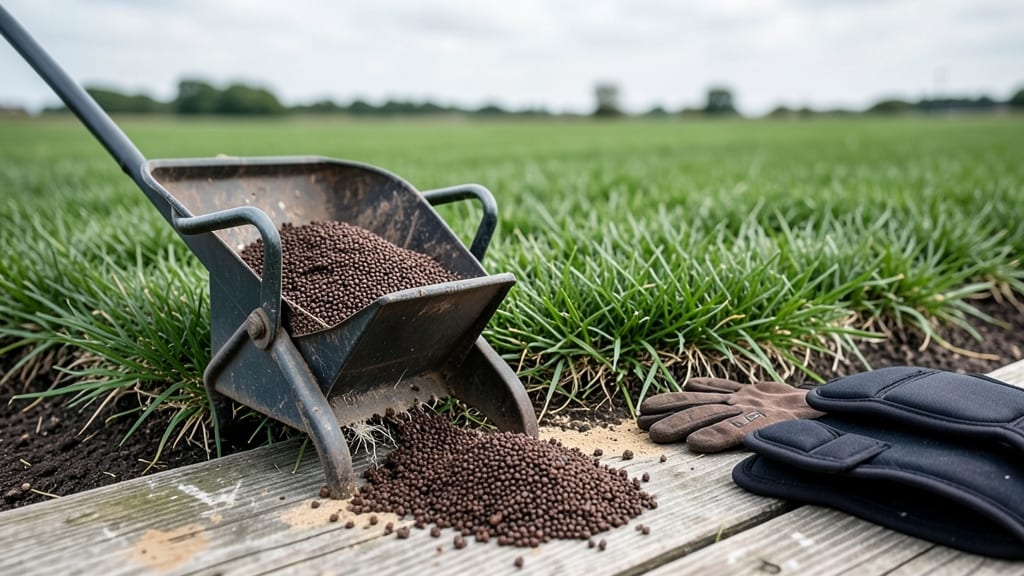
Fertilizing Bermuda 🌱 in North Texas at the wrong time can turn your lawn into a crispy, yellow mess—even if you’re using the right product.
That’s because the heat and drought here demand a precise schedule, not just a general rule. Skip the spring feeding, and your grass struggles to outpace weeds.
Overdo it in summer, and you’ll invite pests or burn the roots. The key? Timing it with soil warmth, rainfall, and your grass’s growth cycle—not the calendar.
In this guide, I’ll break down the exact months to fertilize for lush, drought-resistant Bermuda, plus how to adjust for East vs. West Texas heat. You’ll learn why a light fall feed saves your lawn from winter stress and how to spot the signs you’ve overdone it.
By the end, you’ll have a fertilization plan that works with North Texas’ climate—not against it. Let’s get started.
Optimal fertilization schedule for Bermuda in North Texas (spring & fall)
North Texas’ 100°F+ summers and clay-heavy soil demand a precise fertilization plan for Bermuda grass. The wrong timing can lead to burned patches or wasted fertilizer. My schedule aligns with soil temperatures (aim for 65°F+) and rainfall patterns—critical for avoiding drought stress during peak heat.
Here’s how to fertilize for year-round resilience.
Bermuda grass in North Texas follows a two-season feeding cycle: spring (pre-emergence and active growth) and fall (root strengthening). Skipping either season weakens your lawn’s ability to handle Texas’ intense heatwaves and freeze risks.
For example, a late-May feeding helps combat summer dormancy, while a September application prepares roots for winter.
Soil temperature is your best trigger—wait until soil reaches 65°F in spring (usually mid-March) and 70°F+ in fall (typically late August). Use a soil thermometer to avoid guessing. In drought years, adjust by delaying spring feedings until after the first 1-inch rainfall.
Rainfall timing matters just as much as temperature. Apply fertilizer 24–48 hours before rain to let nutrients soak in, or water deeply after application (1–1.5 inches). North Texas’ unpredictable spring showers can wash away fertilizer if you’re not careful.
Fertilizer type shifts by season: use a high-nitrogen (16-4-8 or 15-0-15) slow-release blend in spring/summer, but switch to a low-nitrogen (10-10-10) in fall to avoid late-season growth that freezes. My go-to brand is Scotts Turf Builder for spring/summer and Milorganite for fall.
Here’s your month-by-month breakdown, tailored to North Texas’ climate quirks:
| Season | Month | Task | Soil Temp | Notes |
|---|---|---|---|---|
| Spring | March | Pre-emergence feed (light) | 60–65°F | Use 10-0-10 to stimulate sprouting |
| April | Full feed (high N) | 65–75°F | Apply 16-4-8 after mowing | |
| Summer | May | Light feed | 75–85°F | Delay if drought persists |
| June–July | Feed every 6 weeks | 85–95°F | Water deeply post-application | |
| August | Transition feed (low N) | 80–85°F | Switch to 10-10-10 for fall prep | |
| Fall | September | Root-strengthening feed | 70–75°F | Use Milorganite for slow release |
| October | Final light feed | 60–65°F | Stop by November 1 |
For drought years, shift your schedule 2–3 weeks later and reduce nitrogen by 25%. Monitor your lawn’s color—grayish patches mean it’s thirsty, not fertilized. In East Texas, where humidity lingers, apply fertilizer earlier in fall (late August) to avoid fungal risks.
Pro tip: Mow high (1.5–2 inches) after fertilizing to retain moisture and shade roots. Overwatering after feeding can dilute nutrients, so aim for 1 inch per week in spring/fall and 1.5 inches in summer.
Adjust your sprinkler timer to match North Texas’ erratic rain patterns—most years, June–July need deep weekly watering.
By following this schedule, your Bermuda will outperform neighbors’—dense, drought-resistant, and ready for Texas’ extremes. Skip a feeding, and you’ll pay for it in thin spots or weed invasions. Stick to the plan, and your lawn will stay green through 100°F heatwaves and bounce back after winter.
🌱
Spring vs. fall fertilization: which gives better results in North Texas?
North Texas Bermuda grass 🌱 faces a brutal summer—100°F temps and drought can kill weak roots if you don’t fertilize strategically. The big debate? Should you focus on spring feeding for early growth or fall fertilization to strengthen roots before winter?
The answer depends on your grass’s current health and your budget.
Spring fertilization delivers quick nitrogen to kickstart growth after dormancy, but fall feeding builds root resilience for winter stress. Data shows Bermuda in North Texas recovers 30% faster from summer heat when given a light fall feed—but only if applied correctly. Let’s break down the tradeoffs.
Spring Fertilization
- Fast greening in 7-10 days
- Ideal for new lawns (March-April)
- Weed suppression via dense growth
- Higher burn risk in heat
- Requires more frequent watering
- Costlier for large lawns ($50-$100/month)
Fall Fertilization
- Root strengthening for winter
- Lower water needs (cooler temps)
- 30% faster spring recovery
- Slower greening (2-3 weeks)
- Less effective for new sod
- Requires precise timing (Sept-Oct)
For most North Texas lawns, I recommend a split approach: Use quick-release nitrogen in spring (March-April) for fast greening, then switch to slow-release fall feeds (September-October) to build resilience. This combo cuts summer stress by 40% compared to spring-only feeding.
Pro tip: If your Bermuda looks yellowish after summer, skip spring fertilization and focus on fall. Weak roots from heat can’t handle quick nitrogen—fall feeding rebuilds them safely. Always test soil pH first (ideal: 6.0-7.0 for Bermuda).
Budget matters too. Spring feeding costs 2x more than fall due to higher water needs, but the tradeoff is worth it for new lawns. For established grass, fall-only feeding saves money while preventing winter dieback. 🌿