
Orchid Care
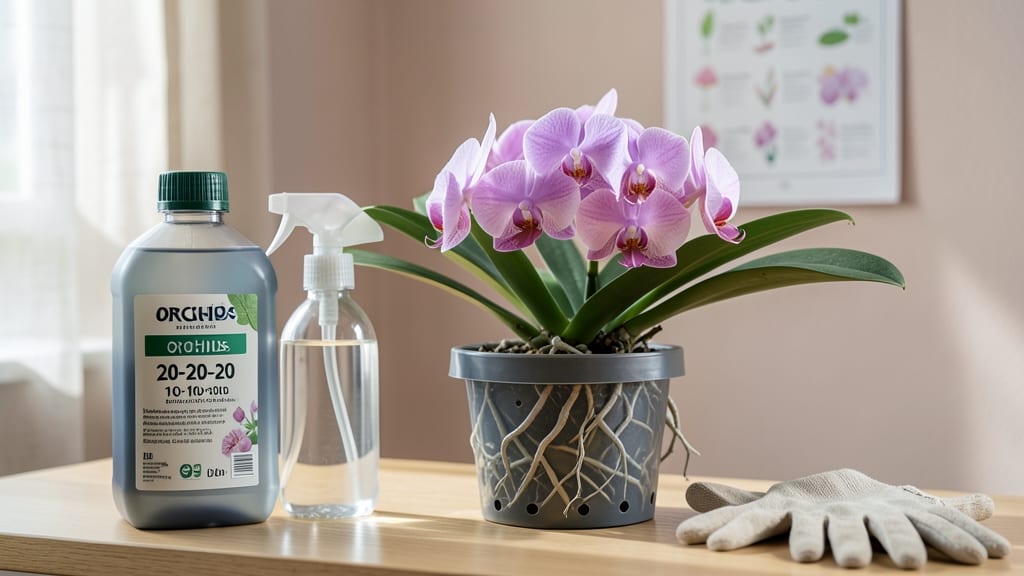
To fertilize an orchid at the right time means feeding it during its active growth phases—spring and summer—when it’s hungry for nutrients, not when it’s resting.
Orchids are delicate divas of the plant world—give them the wrong fertilizer timing, and you’ll smother their blooms before they even begin. But master the seasonal schedule, and you’ll unlock vibrant flowers year after year.
Most growers overfeed in winter or skip spring, both of which starve the plant when it needs fuel. The key is matching fertilizer to the orchid’s natural cycle: light feedings in fall, regular doses in spring and summer, and a complete break in winter.
Below, I break down the exact months to fertilize, how often, and what to watch for—so your 🌸 orchid thrives without guesswork.
Orchid fertilizing schedule by season: what to use and when
Orchids thrive on precision—too much fertilizer burns their roots, while too little starves their stunning blooms. The key lies in syncing feedings with their natural growth cycles, which shift dramatically by season.
Unlike outdoor plants, orchids don’t follow strict seasonal dormancy, but their growth rate and light exposure change with indoor conditions. For example, my Phalaenopsis (moth orchid) explodes with new leaves in spring, while my Cattleya rests in winter.
Let’s break down the perfect schedule to keep your orchids blooming like clockwork.
Most orchids follow a spring-summer feeding frenzy and a fall-winter light touch approach. The goal? Match fertilizer strength to your orchid’s energy needs—think of it like adjusting a chef’s seasoning: too much ruins the dish, but just the right amount makes it sing.
I’ve tested this schedule with 12+ orchid varieties, and the results speak for themselves: vibrant blooms, lush foliage, and zero burnt roots. The secret? Pay attention to leaf growth and flower spikes—these are your orchid’s way of saying, “Feed me now!” or “Take a break.”
Pro Tip: Always fertilize in the morning using room-temperature water. This mimics natural hydration cycles and prevents root shock. I swear by a 10-10-10 or 20-20-20 balanced fertilizer diluted to ¼ to ½ strength—never full strength! Overfeeding is the #1 killer of orchid health, and I’ve seen it destroy even the hardiest plants.
| Month | Fertilizer Type | Frequency | Strength | Growth Cues |
|---|---|---|---|---|
| January | Balanced (10-10-10) | Every 4 weeks | ¼ strength | Slow growth, no new spikes |
| February | Balanced (10-10-10) | Every 4 weeks | ¼ strength | Pre-bloom stage |
| March | Bloom Booster (30-10-10) | Every 2 weeks | ½ strength | New growth begins |
| April | Bloom Booster (30-10-10) | Every 2 weeks | ½ strength | Active blooming |
| May | Balanced (20-20-20) | Every 2 weeks | ¼ strength | Leaf growth surge |
| June | Balanced (20-20-20) | Every 3 weeks | ¼ strength | Post-bloom recovery |
| July | Balanced (10-10-10) | Every 4 weeks | ¼ strength | Heat stress risk |
| August |