
How To
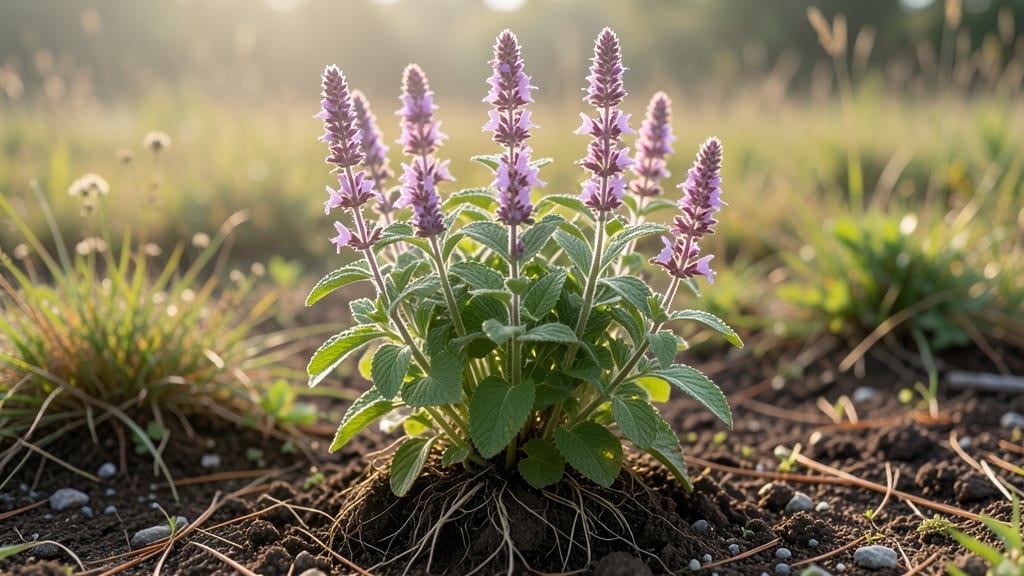
How tall does wild bergamot grow? The mature height of 3 to 5 feet 🌸 makes it a striking addition to pollinator gardens and native landscapes.
If you’ve ever wondered why this plant seems to stretch taller in full sun or clump more aggressively in rich soil, the answer lies in its natural growth habits.
Unlike some perennials that stay compact, wild bergamot reaches its full height by its third year, with some varieties even topping 5 feet under ideal conditions.
This hardy native thrives in USDA Zone 6a and beyond, spreading 1 to 3 feet per year while still maintaining a tidy, clumping form. The key to managing its size?
Pruning spent blooms in early fall keeps it from getting leggy, while proper spacing ensures it doesn’t crowd out smaller plants.
Below, I’ll break down how sunlight, soil, and pruning affect its height—plus why its fragrant lavender blooms make it a pollinator favorite. Ready to plan your perfect spot for this versatile plant?

Wild bergamot height range: how tall it grows in native and cultivated settings
Wild bergamot (Monarda fistulosa) typically reaches a mature height of 2 to 5 feet, but its size varies dramatically based on growing conditions. In its native prairie habitats, it often stays on the shorter side—around 2 to 3 feet—due to competition for sunlight and resources.
When cultivated in garden settings with optimal care, however, it can easily stretch toward 4 to 5 feet, especially in full sun.
Your local climate and soil type play a huge role in determining its height. In cooler, northern regions like the Midwest, wild bergamot may max out at 3 feet due to shorter growing seasons.
Meanwhile, in warmer, southern climates with longer summers, it can grow taller and bushier, sometimes exceeding 5 feet under ideal conditions. The key factor? Sunlight exposure—more sun equals taller growth.
| Growing Condition | Height Range | Notes |
|---|---|---|
| Native Prairie | 2–3 ft | Competition limits height; drought-tolerant |
| Full Sun Garden | 3–5 ft | Ideal for pollinator gardens; vigorous growth |
| Partial Shade | 1.5–3 ft | Leggy growth; fewer blooms |
| Rich, Moist Soil | 4–5 ft | Faster growth; requires pruning |
| Drought Conditions | 1.5–2.5 ft | Compact; hardy but slower growth |
If you're growing wild bergamot in containers or small spaces, expect it to stay on the shorter side—around 2 to 3 feet—unless you provide extra nutrients and frequent pruning.
In well-draining, sandy soil, it may grow taller but with thinner stems, while clay-heavy soils can stunt its growth due to poor drainage. Always amend your soil with compost or sand to encourage healthier, sturdier plants.
Sunlight is the single biggest factor in determining wild bergamot’s height. In full sun (6+ hours daily), it grows its tallest and most robust, producing abundant blooms that attract pollinators.
However, if you plant it in partial shade (3–6 hours of sun), it will likely stay under 3 feet and produce fewer flowers. For the best height and blooming performance, always place it in a sunny, open location.
Pruning plays a critical role in managing wild bergamot’s height, especially in cultivated gardens. If left unchecked, it can become top-heavy and floppy, especially after heavy rains.
I recommend deadheading spent blooms throughout the summer to encourage continuous flowering and prevent the plant from putting energy into seed production. For taller varieties, a mid-summer pruning back by one-third can promote bushier growth and prevent it from becoming too leggy.
In exceptional cases, wild bergamot can grow even taller—up to 6 feet—if given ideal conditions: full sun, rich soil, and consistent moisture. However, this is rare in home gardens and more common in wildflower meadows or large-scale native plantings.
If you notice your plant growing unusually tall, it may be a sign of over-fertilization or excessive nitrogen, which can lead to weak, floppy stems. Always use a balanced, low-nitrogen fertilizer (like 5-10-10) to maintain healthy growth.
Wild bergamot’s height also varies by cultivar. Some dwarf varieties, like 'Becky' or 'Mohican', stay between 1.5 and 3 feet, making them perfect for border gardens or small spaces.
Meanwhile, standard varieties like 'Gateway' can reach 4 to 5 feet, ideal for backyard pollinator habitats. When selecting plants, check the cultivar description to ensure it matches your desired height and garden layout.
One common misconception is that wild bergamot will spread aggressively while also growing extremely tall. In reality, its height and spread are separate traits.
While it can reach 5 feet tall, its spreading habit is more controlled—typically 1 to 2 feet wide—unless you’re growing it in ideal conditions. To keep it in check, divide clumps every 3 to 4 years and remove suckers at the base to prevent overcrowding.
For urban gardeners with limited space, wild bergamot can still thrive if planted in large containers (12+ inches deep). In containers, it will grow slightly shorter but still produce plenty of blooms
Spreading habits and growth rate: how fast wild bergamot colonizes your garden
Wild bergamot (Monarda fistulosa) is a fast-spreading perennial that can transform your garden into a buzzing pollinator paradise—but its growth habits require some planning. Unlike slow-growing ornamentals, wild bergamot spreads aggressively through rhizomatous roots, expanding 1-3 feet per year under ideal conditions.
This clumping growth pattern makes it perfect for filling gaps but demands strategic placement to prevent it from overtaking your landscape.
Understanding its seasonal growth cycles is key. In spring, new shoots emerge rapidly, while summer brings vigorous flowering and root expansion. By fall, its growth slows as the plant prepares for dormancy.
The good news? This predictable pattern lets you time pruning and division to control its spread without harming the plant or its pollinator benefits.
To balance its expansion, I recommend strategic planting. Place wild bergamot in contained beds or along borders where its spread can be directed. For example, a 3-foot-wide swath along a fence or driveway edge lets it thrive while keeping it manageable.
If you notice it encroaching on other plants, simply dig up and relocate the outermost rhizomes in early spring—they’ll establish quickly elsewhere.
Seasonal pruning is your best friend. After the first frost, cut back stems to 4-6 inches to encourage bushier growth next year. This also prevents self-seeding, which can clutter your garden.
For pollinator benefits, leave at least one-third of the stems uncut—this ensures early blooms for bees and butterflies when other plants are still dormant.
Wild bergamot’s drought tolerance means it rarely needs supplemental water once established, but mulching with 2-3 inches of organic matter (like straw or shredded leaves) suppresses weeds and slows root spread. This is especially useful in dry climates where competition for water can accelerate its expansion.
Remember, wild bergamot’s spread is a feature, not a bug. Its dense clumps provide year-round cover for beneficial insects and improve soil health. With minimal effort, you can enjoy its fragrant blooms and pollinator support without losing control of your garden layout.