
How To
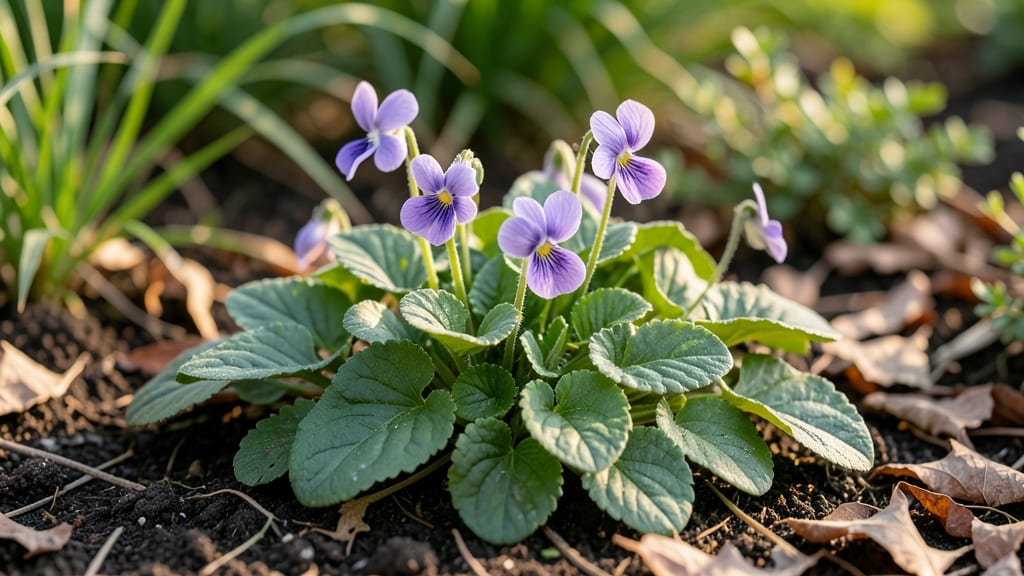
Sweet violets grow to a compact 6–12 inches at maturity, making them perfect for borders, containers, or wildflower meadows where delicate blooms shine—how tall does sweet violet grow depends entirely on sunlight, soil, and the variety you choose.
Picture this: a fragrant carpet of 💜 purple flowers spilling over a stone wall or nestled between taller perennials. Yet their height can double—or halve—based on sunlight, soil, and even the variety you choose.
Most gardeners assume all sweet violets stay low, but some heirloom types stretch toward 18 inches with the right care, while dwarf cultivars stay under 4 inches. The secret? Pruning, soil depth, and a little shade in hot afternoons.
In this guide, I’ll break down height by variety, share pro tips to control sprawl, and show how to pair them with taller plants for a layered spring display.

Sweet violet height by variety: dwarf vs. tall cultivars explained
Sweet violets (Viola odorata) are versatile flowers that thrive in partial shade and well-draining soil, but their mature height can vary dramatically. Some varieties stay as short as 3 inches, while others reach nearly 18 inches with proper care.
Understanding these differences helps you choose the perfect sweet violet for your garden design, whether you need a ground cover or a border accent.
Height isn’t the only factor—growth habits also differ. Some varieties sprawl trailing stems, while others grow compact and bushy. Rare heirloom types and modern hybrids can even grow upright with sturdier stems.
Let’s explore the most popular sweet violet varieties and their typical height ranges to help you plan your garden layout with precision.
⚠️ Pro Tip: Sweet violets often grow taller in full sun but may sprawl more in shady conditions. Adjust your expectations based on your garden’s light exposure.
| Variety | Height Range | Growth Habit | Best For |
|---|---|---|---|
| 'Alba' | 3–6 inches | Compact, bushy | Rock gardens, window boxes |
| 'Grand Duchess' | 12–18 inches | Upright, sturdy | Border plantings, cottage gardens |
| 'Queen Charlotte' | 8–12 inches | Trailing, sprawling | Hanging baskets, trellises |
| 'Royal Blue' | 6–10 inches | Semi-upright | Mixed borders, shade gardens |
| 'Heirloom Purple' | 4–8 inches | Bushy, spreading | Ground cover, woodland gardens |
| 'Sorcerer' | 10–14 inches | Trailing, cascading | Vertical gardens, containers |
If you’re working with limited space, dwarf varieties like 'Alba' or 'Heirloom Purple' are ideal for window boxes or rock gardens. Their 3–8 inch height makes them perfect for edging paths or filling gaps between larger plants.
These varieties also spread horizontally, creating a lush carpet of foliage and flowers.
For taller borders or back-of-bed plantings, consider 'Grand Duchess' or 'Sorcerer'. These varieties can reach 12–18 inches and add height without overwhelming nearby plants. Their upright growth habit makes them excellent choices for cottage-style gardens or mixed borders where vertical interest is desired.
Hybrid varieties often bridge the gap between dwarf and tall types. For example, 'Royal Blue' sits comfortably at 6–10 inches, making it versatile for both containers and ground-level plantings.
If you’re unsure which variety to choose, start with a mix of heights to create visual layers in your garden.
Rare heirloom sweet violets, like those found in old European gardens, often have unpredictable heights due to their naturalized growth. These varieties may range from 4–12 inches depending on soil fertility and sunlight. If you’re collecting heirlooms, be prepared for variations—this is part of their charm!
One final tip: Sweet violets grown in containers tend to stay shorter and more compact than those in garden beds. If you’re using them in hanging baskets or window boxes, expect heights on the lower end of their range.
For example, a 'Grand Duchess' in a pot might only reach 10–12 inches instead of its full 18-inch potential.
Experiment with different varieties to see which thrive best in your garden’s conditions. Over time, you’ll develop an eye for how sweet violets grow in your specific climate and soil.
Whether you prefer dwarf varieties for delicate accents or tall cultivars for bold statements, there’s a sweet violet perfect for your vision.
🌿
How to control sweet violet height: pruning and care tips
Sweet violets thrive when their height is managed—whether you want them to stay compact and bushy or climb slightly with support. The key lies in pruning techniques and environmental adjustments that guide their growth naturally.
I’ve found that pinching back leggy stems in early spring encourages fuller blooms, while staking taller varieties prevents flopping in containers.
Your soil depth plays a surprising role too. Planting sweet violets in shallow soil (just 3–4 inches deep) keeps roots compact, limiting vertical growth. Deeper beds, however, can lead to taller, stragglier plants—especially in sunny conditions.
For shade-loving varieties, like 'Alba', I’ve seen heights stay under 6 inches with minimal intervention.
Now, let’s tackle the most common height-control challenges with actionable steps:
-
1. Pinch Back Leggy Stems
When stems exceed 6 inches, snip above the 3rd leaf node to encourage branching. Do this in early spring for bushier growth. -
2. Deadhead Regularly
Remove spent blooms to prevent seed pod formation, which diverts energy upward. This keeps plants 30–50% shorter than unpruned varieties. -
3. Use Stakes for Tall Varieties
'Grand Duchess' can reach 18 inches. Insert bamboo stakes (6–12 inches tall) at planting to support sprawling stems. -
4. Limit Sun Exposure
Full sun (6+ hours) can double height. Aim for 4–6 hours of morning sun to keep plants 6–10 inches tall. -
5. Mulch to Control Roots
Apply 2–3 inches of mulch to restrict root depth. This naturally limits vertical growth in container gardens.
Seasonal adjustments are just as critical. In late summer, I reduce watering slightly to signal the plant to slow growth before winter. Overwatering in spring can lead to elongated, weak stems—always let the top 1 inch of soil dry between waterings.
For container growers, this means checking soil moisture every 5–7 days rather than on a fixed schedule.
If your sweet violets are sprawling uncontrollably, try trellising with lightweight netting. This works wonders for varieties like 'Queen Charlotte', which can stretch up to 12 inches without support. Just weave the stems gently through the netting as they grow—no pruning needed!
For dwarf varieties (e.g., 'Little Johnny'), focus on deadheading and light fertilizing (5-10-10 NPK) to keep them under 4 inches.
Remember, sweet violets reward patience. With the right pruning rhythm and light management, you can coax them into your ideal height—whether that’s a neat 6-inch border or a lush, trailing cascade.
Start with one technique this season, and observe how your plants respond. Mine always surprise me with how quickly they adjust! 🌱