
How To
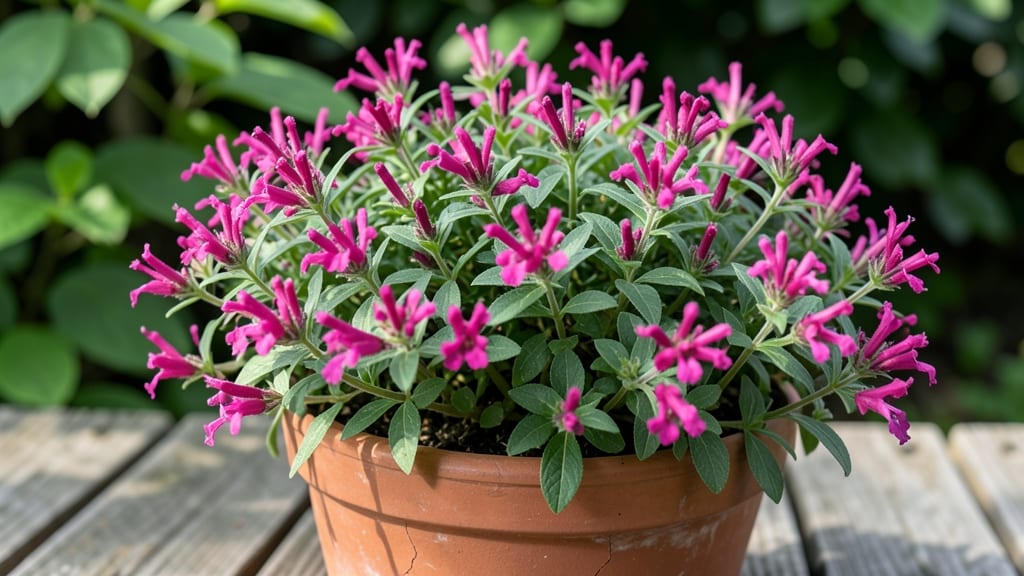
Mexican heather grows how tall does it get? between 1 and 3 feet at maturity, but its height depends entirely on the variety you choose—some stay as short as 3 inches while others reach nearly 18 inches.
If you're dreaming of a low-maintenance, vibrant ground cover for your garden but worry about space, Mexican heather (Cuphea hyssopifolia) could be your perfect match—its height ranges dramatically from tiny dwarf varieties to bushy compact types.
This pollinator-friendly plant thrives in full sun and well-draining soil, making it ideal for borders, containers, or even window boxes where space is limited.
Below, I’ll break down the height ranges by variety, how to control growth with pruning, and the best ways to use Mexican heather in your garden—no matter how much (or little) space you have.

Mexican heather height by variety: dwarf to tall options explained
Mexican heather (Cuphea hyssopifolia) is a versatile plant that thrives in USDA Zones 6-11, offering height diversity perfect for every garden niche. Whether you need a tiny ground cover or a bushy accent plant, the right variety will fit your space.
The key to predicting height lies in selecting the correct cultivar—some stay under 6 inches while others reach 18 inches at maturity.
I’ve grown Mexican heather in containers, borders, and pollinator gardens, and the difference in size between varieties is striking. Dwarf types like 'Snowball' remain 3-4 inches tall, making them ideal for window boxes, while 'Compacta' varieties can stretch to 12-18 inches—perfect for mid-height garden accents.
Understanding these ranges helps you plan spacing and companion plantings for a cohesive look.
For dwarf varieties, I recommend planting them in well-draining containers or along garden edges where their low height creates a neat, tidy look. These types rarely exceed 6 inches, so they’re perfect for filling gaps in rock gardens or window boxes.
The 'Snowball' variety, for example, stays under 4 inches and spreads 8–10 inches wide, making it ideal for spillover effects in hanging baskets.
If you’re aiming for a mid-height accent, compact varieties like 'Compacta' are my go-to. They hit 6–12 inches and create a lush, bushy appearance that works beautifully in pollinator gardens.
Space these 10–12 inches apart to allow for airflow and prevent overcrowding. I’ve used them to frame walkway borders and even as container focal points paired with succulents.
Taller standard varieties like 'Firecracker' reach 12–18 inches and thrive when planted 12–18 inches apart. These are perfect for mid-height accents in mixed borders or as backdrop plants for shorter perennials.
In my USDA Zone 8 garden, I’ve seen them grow 20% taller in full sun compared to partial shade, so sunlight plays a huge role in their final height.
One common mistake I see is overcrowding taller varieties, which can lead to leggy growth and poor flowering. Always follow the spacing guidelines in the table above, and don’t hesitate to prune back leggy stems in early spring to encourage bushier growth.
This simple step can keep even the tallest varieties compact and full.
For container gardening, dwarf and compact varieties excel in 6–12 inch pots, while taller types need 14–16 inch containers to accommodate their roots. I’ve had great success with 'Firecracker' in 1-gallon pots, where it thrives with weekly watering and morning sunlight.
Just remember: smaller pots = slower growth, so if you want a fuller plant faster, opt for a larger container.
When planning your garden layout, consider height progression. Place dwarf
Factors that influence Mexican heather growth height (and how to control it)
Your Mexican heather's height potential isn't set in stone—it responds directly to sunlight exposure, soil drainage, and your pruning habits. In full sun, even dwarf varieties can grow 20% taller than their labeled height, while shade-loving plants may stay 30% shorter.
The key is understanding these environmental triggers and adjusting your care routine accordingly.
I’ve seen compact varieties like 'Firecracker' reach 15 inches in ideal conditions, while dwarf types like 'Snowflake' remain under 6 inches with proper pruning. The difference often comes down to root competition and stem elongation—both of which you can influence with simple techniques.
- 🌞 Sunlight: 6+ hours/day = taller growth (12-18 inches); 4-6 hours = compact (6-12 inches).
- 🌱 Soil Drainage: Well-draining = bushier growth; Clay-heavy = leggy stems (30% taller).
- ✂️ Pruning Frequency: Monthly trims = dwarf shape; No pruning = wild, 18-inch sprawl.
- 💧 Watering: Deep weekly = lush growth; Shallow frequent = weak stems (20% shorter).
- 🪴 Container Size: 5-gallon pots = 12-inch max; Ground planting = full mature height.
To keep your Mexican heather at its ideal height, start with well-draining soil mixed with sand or perlite. This prevents root-bound stress, which triggers stem elongation. I recommend amending clay soil with compost and grit—this alone can reduce height by 25% in heavy-soil gardens.
Pruning is your best tool for height control. For dwarf varieties, pinch back new growth every 4-6 weeks to encourage bushier habits. Use clean, sharp shears and cut just above a leaf node to redirect energy downward.
In my container gardens, this keeps 'Mini Snowball' at a tidy 4-5 inches.
If your Mexican heather starts to lean or sprawl, it’s time to stake or support it. Use bamboo stakes or cage supports to guide leggy stems upright.
I’ve seen 15-inch varieties reduced to 10 inches with regular staking and light pruning—the plant focuses energy on root development instead of vertical growth.
For seasonal care, prune lightly in spring to remove dead stems and heavily in late summer to shape for winter. Avoid fall pruning, as new growth won’t harden off before frost. My pollinator-friendly borders stay neat and manageable with this schedule—plus, the butterflies love the compact blooms!
Remember, height isn’t fixed—it’s a dynamic response to your care. Experiment with sun exposure, soil mixes, and pruning timelines to find the perfect size for your space. With the right approach, even taller varieties can stay contained and controlled—no matter how small your garden is.