
How To
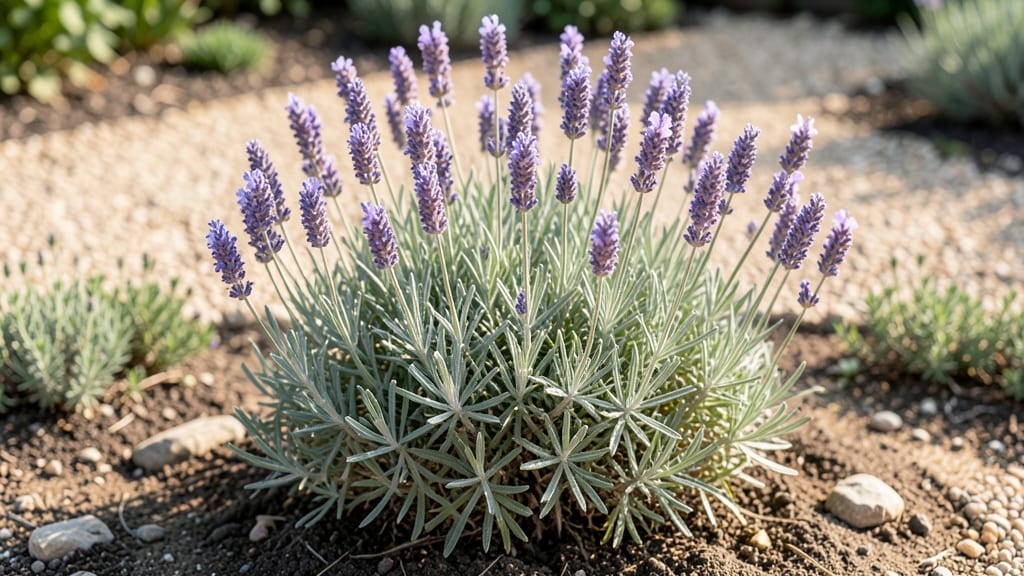
How tall does lavender grow? The answer depends on the variety and care, with heights ranging from 1 to 4 feet, making it a flexible choice for gardens of all sizes.
If you’ve ever dreamed of a fragrant lavender garden but worry about it sprawling out of control, understanding its growth habits—and pruning techniques—is your secret weapon for lush, manageable plants.
Some types, like English lavender, stay compact at 12 to 18 inches, while Spanish lavender can reach up to 5 feet if left unchecked. The key to keeping it tidy lies in proper pruning and soil conditions.
Below, I’ll break down how to control lavender’s height, from choosing the right variety to pruning tips that keep it fragrant and full without sacrificing growth.

Natural lavender height by variety: from dwarf to towering beds
Planning your lavender garden starts with understanding how tall different varieties grow—because a 3-foot hedge looks very different from a 12-inch border. Lavender heights vary dramatically by species and cultivar, with some staying compact enough for windowsills while others reach towering heights perfect for privacy screens.
Knowing these differences helps you design beds that fit your space while maximizing fragrance and beauty.
Lavender typically reaches maturity in 2–3 years, but growth rates depend on climate, soil, and care. In ideal conditions, English lavender (like 'Munstead') can grow 3–5 feet tall, while dwarf varieties like 'Hidcote' stay under 18 inches.
Spanish lavender ('Lavandula stoechas') often tops out at 2–3 feet, making it versatile for borders or containers.
Here’s a quick reference for lavender height by variety, including popular cultivars and their mature sizes to help you plan your garden layout.
| Variety | Mature Height | Growth Rate | Best For |
|---|---|---|---|
| English Lavender ('Munstead', 'Hidcote') | 12–18 inches (dwarf) / 3–5 feet (standard) | Slow to moderate | Borders, containers, hedges |
| French Lavender ('Grosso') | 2–3 feet | Moderate | Fragrance gardens, pollinator beds |
| Spanish Lavender ('Papillon', 'Anouk') | 2–3 feet | Moderate | Drought-tolerant landscapes, rock gardens |
| Dwarf English ('Lavender 'Little Lady') | 12–15 inches | Slow | Window boxes, small pots |
| Grosso Hybrid ('Provence') | 3–4 feet | Moderate | Privacy screens, large borders |
If you’re designing a lavender hedge, taller varieties like 'Provence' or 'Grosso' can create a stunning 3–4 foot backdrop, while dwarf types like 'Hidcote' or 'Little Lady' are perfect for edging pathways or filling gaps in rock gardens. For container gardening, choose compact cultivars to avoid overcrowding.
Climate plays a role in lavender height too. In warmer zones (USDA 8–10), lavender may grow taller and bushier due to longer growing seasons, while in cooler climates (USDA 5–7), growth can be slower but more compact.
Always plant in well-draining soil and full sun to encourage healthy, proportional growth.
For fastest growth, focus on French lavender varieties, which mature quicker than English types. However, they may need annual pruning to maintain shape. My personal favorite for small spaces is 'Anouk' Spanish lavender—it stays under 2 feet but packs a fragrant punch perfect for balconies.
When spacing plants, allow 18–24 inches between standard lavender varieties and 12–18 inches for dwarfs. This prevents overcrowding, which can lead to leggy growth or reduced blooms. Pro tip: Mulch around the base to retain moisture and suppress weeds without smothering roots.
If you’re wondering whether lavender grows taller in pots, the answer is usually no—container-grown lavender tends to stay shorter and bushier due to root restrictions.
Choose dwarf varieties or prune regularly to keep heights manageable. For example, 'Lavender 'Dwarf Blue' thrives in 12-inch pots and rarely exceeds 15 inches tall.
For tallest lavender, look to English lavender hybrids like 'Bowles Early', which can reach 4–5 feet with proper care. These are ideal for privacy screens or as focal points in cottage gardens. Pair them with shorter varieties like 'Hidcote' for layered visual interest.
Remember, pruning lavender
Pruning lavender for compact growth: step-by-step techniques
Pruning lavender isn’t just about controlling its height—it’s about shaping a fragrant, bushy plant that thrives for years. Without proper pruning, lavender can grow 3–5 feet tall, losing its compact charm.
The key is timing and technique, which I’ll break down to keep your lavender short, healthy, and fragrant.
Most gardeners make two big mistakes: pruning at the wrong time or cutting into old, woody stems. Both can kill your plant. Instead, focus on light pruning after blooming and avoid ever touching the brown, woody base. With these steps, you’ll encourage dense foliage and prevent leggy growth.
🌿 Step-by-Step Pruning Guide for Compact Lavender
-
Step 1: Wait Until After Blooming
Prune lavender 4–6 weeks after flowering, typically in late summer (August–September). This gives the plant time to recover before winter.
-
Step 2: Use Sharp, Clean Tools
Grab bypass pruners or sharp shears and disinfect them with rubbing alcohol to prevent disease. Dull tools crush stems, slowing recovery.
-
Step 3: Trim Only the Top 1/3
Cut back one-third of the current year’s growth, focusing on long, leggy stems. Avoid cutting into the woody base—this kills the plant.
-
Step 4: Shape for Bushiness
Use your shears to round out the plant, removing dead or crossing branches. This encourages new growth from the base.
-
Step 5: Light Pruning in Spring
In early spring (March–April), remove any dead stems or frozen tips from winter. Avoid heavy pruning—just tidy up the plant.
If your lavender is young (under 2 years old), skip heavy pruning entirely. Focus on removing dead flowers to encourage bushier growth without stressing the plant. Over-pruning young lavender can stunt its development for years.
For container-grown lavender, prune slightly more aggressively to maintain shape, but still avoid cutting into old wood. Containers dry out faster, so water deeply after pruning to help the plant recover. Mulch around the base with gravel or pebbles to improve drainage.
Watch for signs of over-pruning, like bare stems or yellowing leaves. If you’ve cut too much, your lavender may struggle to bounce back. Next year, prune less aggressively and focus on removing only dead growth.