
How To
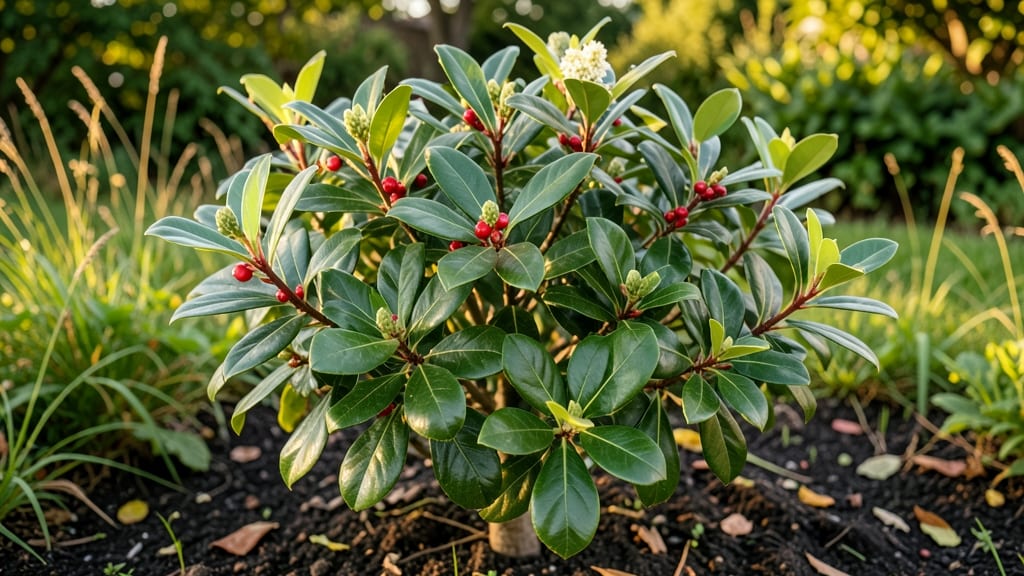
If you're wondering how tall does English laurel grow, it reaches a mature height of 10 to 20 feet if left unpruned, making it a fast-growing shrub that can quickly dominate your landscape.
If you’re dreaming of a lush, evergreen hedge but worry about its rapid growth, you’re not alone—this shrub can shoot up 3 to 5 feet per year if given the right conditions. Without proper care, it may soon tower over your garden, blocking sunlight and crowding other plants.
The good news? With the right pruning techniques, you can easily control its height and shape, keeping it at a manageable 6 to 10 feet for a tidy, polished look. Whether you want a dense hedge or a striking specimen plant, understanding its growth habits is key.
In this guide, I’ll break down how sunlight, soil, and seasonal care affect its size, plus the best pruning methods to keep it in check—so you can enjoy its glossy foliage without the headaches.

Natural height range of English Laurel: what to expect without pruning
If you’ve planted English Laurel (Prunus laurocerasus) for its glossy, evergreen foliage, you’re likely wondering how tall it will grow without intervention. This fast-growing shrub can reach 15 to 30 feet tall when left unpruned, making it a stunning but potentially overwhelming addition to your landscape.
Understanding its natural growth habits helps you plan spacing and pruning strategies to maintain your vision for the garden.
The average growth rate of English Laurel is 3 to 5 feet per year, especially in ideal conditions. In its first few years, you might see rapid vertical growth, which is why many gardeners start pruning early to shape the plant.
Without pruning, a mature English Laurel can easily tower over your garden, creating a natural privacy screen or specimen plant that commands attention.
Regional climate plays a significant role in its height. In warmer USDA zones (7-9), English Laurel thrives with minimal stress, often reaching the upper end of its height range.
Meanwhile, in cooler zones (5-6), growth may slow slightly, but it will still grow tall—just at a more moderate pace. Sunlight exposure also influences size, with full sun encouraging faster, taller growth compared to partial shade.
| Factor | Details | Impact on Height |
|---|---|---|
| Mature Height (No Pruning) | 15–30 feet | Tall hedge or small tree |
| Annual Growth Rate | 3–5 feet/year | Rapid vertical expansion |
| Sunlight Needs | Full sun to partial shade | Full sun = taller growth |
| Soil Type | Well-draining, moist | Poor drainage = stunted growth |
| Climate Zone | USDA 5–9 | Warmer zones = faster growth |
For gardeners using English Laurel as a privacy hedge, its natural height is a major selling point. A single plant can create a dense, 15-foot-tall barrier in just 3–5 years, blocking noise and offering year-round greenery.
However, if you’re planting near structures like fences or patios, you’ll need to prune regularly to prevent overgrowth and maintain accessibility. Always leave at least 3 feet of clearance around walkways and structures to avoid future headaches.
Sunlight exposure directly affects how tall your English Laurel will grow. In full sun conditions, this shrub can reach the upper limit of its height range, sometimes exceeding 25 feet without pruning.
If you’re in a partial shade location, growth will be slower, with mature heights typically staying between 15 and 20 feet. To encourage bushier growth rather than tall, leggy stems, consider planting in a spot with morning sun and afternoon shade.
Another factor to consider is the spread of English Laurel. While it’s primarily known for its height, it can also spread 10 to 15 feet wide at maturity. This wide canopy means it needs ample space to avoid crowding other plants or structures.
If your garden has limited space, opt for dwarf varieties like 'Rotundifolia', which stays compact at 6 to 8 feet tall while maintaining the same lush foliage.
If you’re planting English Laurel as a specimen plant rather than a hedge, its natural height becomes a focal point in your landscape. A single, unpruned shrub can create a dramatic vertical accent, especially when paired with lower-growing perennials or ground covers.
To highlight its height, place it near a pathway or patio edge where its towering presence can be fully appreciated without obstructing views.
For those in cooler climates (USDA zones 5–6), growth may be slightly slower, but English Laurel remains hardy and will still reach impressive heights. In these regions, focus on protecting young plants from late frosts and ensuring they receive adequate moisture during dry spells.
Mulching around the base can help retain soil moisture and encourage steady growth, even in less-than-ideal conditions.
To summarize, English Laurel’s natural height is highly manageable with pruning, but without intervention, it will grow tall—often exceeding 20 feet. Plan your garden layout with this in mind, and don’t hesitate to prune regularly to maintain your desired shape and size.
Whether you’re aiming for a towering privacy screen or a neatly trimmed hedge, understanding its growth habits is key to success.
Pruning techniques to control English Laurel height: a step-by-step guide
Controlling the height of English laurel starts with smart pruning—this shrub can grow aggressively, but with the right techniques, you can keep it at your ideal 6 to 10 feet. The key is timing, tools, and method.
Prune at the right season and use clean cuts to encourage bushier growth while preventing leggy stems. I’ve pruned mine for years, and these steps have kept it perfectly shaped without sacrificing health.
English laurel responds best to late winter or early spring pruning, just before new growth begins. This timing ensures you remove old wood while stimulating fresh, vibrant foliage. Avoid heavy pruning in fall or summer, as it can stress the plant and leave it vulnerable to pests or disease.
If you must prune later in the year, opt for light maintenance trims to shape rather than reduce height.
Before you start, gather your tools: sharp bypass pruners for clean cuts, loppers for thicker branches, and gloves to protect your hands from thorns. Disinfect your tools with rubbing alcohol to prevent spreading disease between cuts.
I always prune on a dry, overcast day to reduce stress on the plant—sunlight can dry out freshly cut stems too quickly.
Step-by-Step Pruning Guide for English Laurel
- Step 1: Assess the Plant
Examine the shrub for dead, diseased, or crossing branches. Remove these first—they compete for nutrients and can weaken the plant. - Step 2: Shape the Canopy
Use tip pruning to trim the top growth by 1/3 to encourage bushier growth. Focus on the outer edges to maintain a natural shape. - Step 3: Thin Out the Interior
Remove 10-20% of old wood from the center to improve airflow and sunlight penetration. This prevents compact, woody growth and keeps the plant healthy. - Step 4: Control Height with Hard Pruning
For dramatic height reduction, prune back harder in stages. Cut 1/3 of the height in the first year, then taper off. Avoid cutting more than 1/3 at a time to prevent shock. - Step 5: Clean Up and Mulch
Rake up debris and apply 2-3 inches of mulch around the base to retain moisture and suppress weeds. This supports recovery after pruning.
For hedges, prune more frequently—every 4-6 weeks during the growing season—to maintain a uniform height. If you’re growing English laurel as a specimen plant, a single annual pruning session in late winter is usually sufficient.
Always step back after pruning to check for balance—uneven cuts can create awkward gaps in your hedge.
One common mistake is pruning too late in the season, which can stimulate new growth that won’t harden off before winter. If you miss the ideal window, wait until early spring to avoid damaging tender shoots.
I once pruned mine in early October, and the new growth struggled through a cold snap—lesson learned! Consistency is key, so mark your calendar for late February or early March each year.
With these techniques, your English laurel will stay lush, healthy, and at the perfect height for your garden. Pruning isn’t just about size control—it’s about shaping a plant that thrives and complements your landscape. Happy pruning! ✂️🌿