
How To
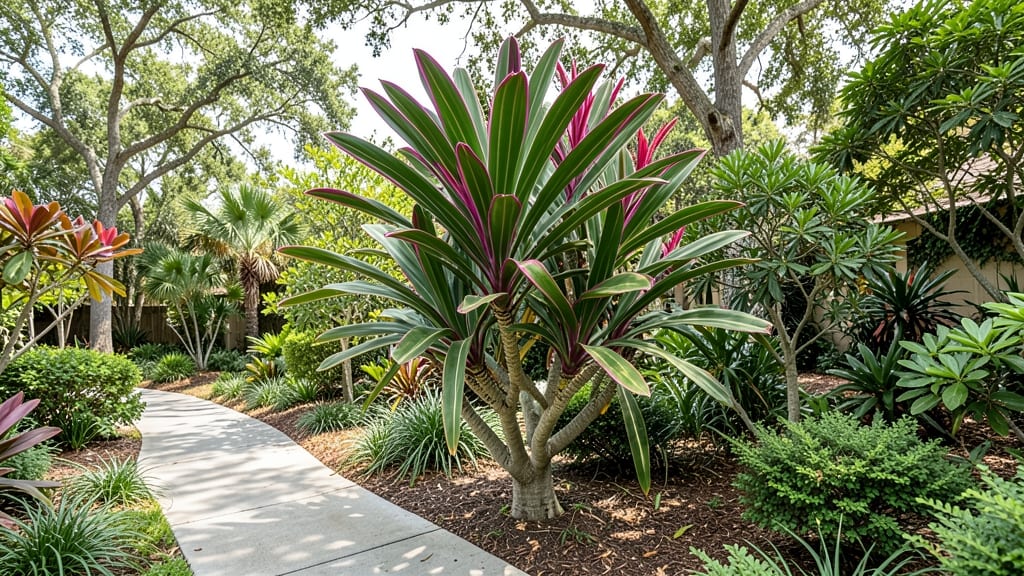
Wondering how tall does a dracaena grow? These striking houseplants come in surprising varieties—some stay compact while others reach dramatic heights, ranging from just 2 feet to towering 20 feet, depending on the variety and growing conditions.
Before choosing one, learn exactly how tall each dracaena species grows to plan your space perfectly. For example, the Dracaena marginata (also called the dragon tree) typically grows to 10-15 feet indoors, while the Dracaena fragrans (like the corn plant) often maxes out around 4-6 feet.
Whether you’re working with limited space or aiming for a bold statement plant, knowing these ranges helps you pick the right fit.
Below, I’ll break down how light, pot size, and care habits influence growth, plus tips to keep even the tallest varieties manageable. Ready to find your perfect match?

Dracaena height guide: small to giant varieties compared
If you're dreaming of a lush, tropical corner in your home but worry about space constraints, dracaenas offer the perfect solution. These plants range from compact tabletop companions to floor-filling giants, making them versatile for any home or garden.
The key to choosing the right variety lies in understanding their mature height potential—indoor conditions often limit growth compared to outdoor spaces where they can truly stretch their legs.
For indoor growers, container size and light exposure play critical roles in determining how tall your dracaena will grow. A 3-foot dwarf variety in a small pot may never reach its full outdoor potential, while a 10-foot giant in a spacious room with bright light could grow even taller.
Let’s explore the height spectrum so you can pick the perfect dracaena for your space—whether it’s a cozy apartment or a sunlit conservatory.
🌿 Quick Tip: Always check the variety’s mature height before purchasing, as some "dwarf" labels can be misleading for indoor conditions.
As you can see, the Dracaena marginata 'Tricolor' stays manageable even in small indoor spaces, while the Dracaena cinnabari is better suited for outdoor gardens where it can reach its full majestic height.
The growth rate also varies significantly—some varieties like the 'Lucky Bamboo' grow at a snail’s pace, while others like Dracaena cinnabari can shoot up 1-2 feet per year outdoors with ideal conditions.
Light exposure is the single biggest factor affecting height. Indoor dracaenas in low-light conditions may stay stunted, while those near a south-facing window or under grow lights can grow significantly taller.
For example, a Dracaena deremensis 'Warneckii' might only reach 4 feet indoors but could double in height outdoors with abundant sunlight.
Container size matters too. Root-bound plants grow slower because their roots can’t expand, limiting nutrient uptake and height. If you’re growing a tall variety indoors, opt for a <
How to control dracaena growth for compact spaces
If your dracaena is growing taller than your ceiling allows, don’t panic! With the right techniques, you can control its height while keeping it healthy and vibrant.
The key lies in pruning strategies, light management, and container selection—all of which directly impact how much your plant stretches toward the sky.
First, understand that dracaena growth rates vary by variety. For example, Dracaena marginata can shoot up 12-18 inches per year indoors, while Dracaena fragrans grows more slowly at 6-12 inches annually. By adjusting care, you can slow this growth or even encourage bushier, more compact shapes.
🌱 Pro Tip for Compact Growth
To keep your dracaena from becoming a 20-foot giant, limit it to 10-12 hours of light daily. Place it 3-5 feet from a north-facing window to slow vertical growth while maintaining lush foliage. For faster results, rotate the pot weekly to ensure even light exposure.
Start with pruning techniques to shape your dracaena. Use sterilized pruning shears to trim back leggy stems just above a leaf node. This encourages new lateral growth, creating a fuller, bushier plant.
For dramatic height reduction, cut stems at 1/3 of their length—just be prepared for a temporary growth slowdown as the plant recovers.
Next, container size matters. Root-bound dracaenas grow faster because they’re stressed to reach for nutrients. Choose a pot that’s only 1-2 inches wider than the root ball to limit upward growth. Terracotta pots help by drying soil faster, which naturally slows growth compared to moisture-retentive plastic containers.
Don’t overlook light requirements. While dracaenas tolerate low-light conditions, they’ll stretch dramatically toward any light source—a phenomenon called etiolation. To prevent this, provide bright, indirect light and supplement with a grow light if natural light is insufficient.
Aim for 12-14 hours of light daily to maintain compact growth.
Finally, fertilize wisely. Over-fertilizing speeds up growth, leading to rapid height increases. Use a balanced 10-10-10 fertilizer every 8-12 weeks during spring and summer, and reduce feeding in fall and winter. This controlled approach keeps your dracaena manageable in size while ensuring it stays healthy and vibrant.
With these strategies, even your tallest dracaena varieties can thrive in compact spaces—without sacrificing their stunning appearance. Happy pruning! 🪴