
How To
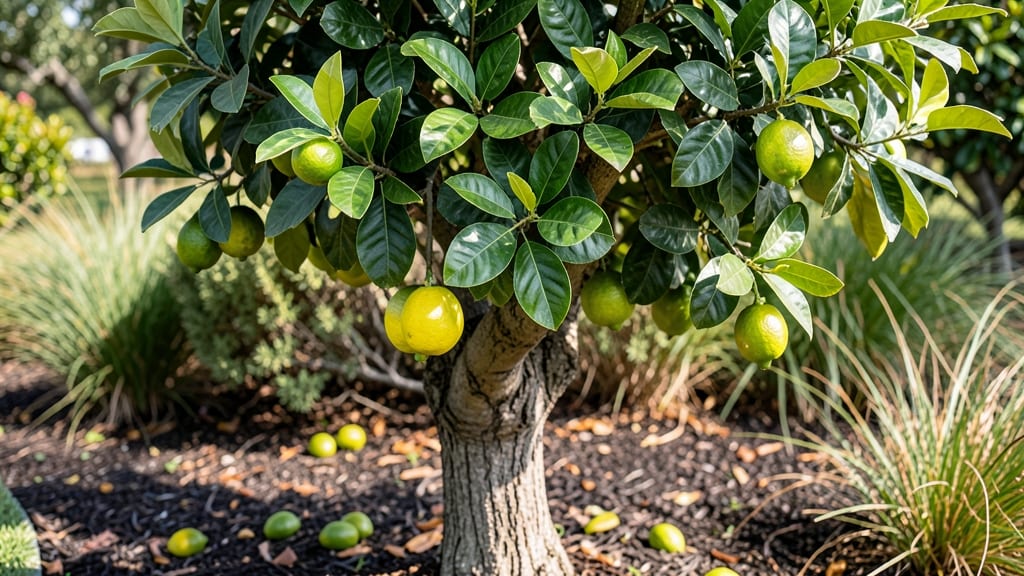
A lime tree can grow anywhere from 8 feet to over 30 feet tall, depending on the variety and growing conditions you provide.
If you’re dreaming of fresh limes for your margaritas or key lime pie but lack the yard space for a full-sized tree, understanding lime tree growth is your first step to success—because a 20-foot monster in your patio plan is a recipe for disaster.
Standard varieties like the Bearss lime reach heights of 20-30 feet, making them better suited for large gardens or rural properties.
But if you’re growing in containers or small spaces, dwarf varieties like the Mexican lime stay between 8-12 feet, offering the same zesty fruit without the towering footprint.
Below, we’ll break down the height differences between standard and dwarf lime trees, how to choose the right one for your space, and the pruning secrets to keep your tree at your ideal height.

Standard lime tree height: how big can they really get?
When I first planted a Persian lime tree in my backyard, I had no idea how massive it could become. Most standard lime varieties—like the Bearss lime or Tahiti lime—can reach heights of 15 to 30 feet at maturity.
That’s taller than a two-story house! Understanding these growth patterns helps you plan your garden layout and avoid overcrowding with other plants or structures.
Lime trees aren’t just tall; they’re also wide. A mature standard lime tree can spread 15 to 20 feet across, creating a sprawling canopy. This means you’ll need plenty of open space if you’re dreaming of a backyard grove.
Without proper spacing, branches can compete for sunlight and nutrients, reducing fruit production and overall health.
Here’s the key detail: growth rate. In their first year, lime trees grow 2 to 4 feet tall. By year three, they can surge to 12 to 18 feet.
Without pruning, a standard lime tree can hit its full height in just 5 to 7 years. That’s why many gardeners opt for dwarf varieties if space is limited.
If you’re growing a standard lime tree, prioritize full sun exposure—at least 6 to 8 hours daily. Lime trees thrive in warm climates, ideally in USDA zones 9-11.
In cooler zones, you’ll need to grow them in containers and bring them indoors during winter. Without enough sunlight, growth slows dramatically, and fruit production drops.
Pruning plays a huge role in managing height. I’ve seen gardeners use structural pruning in the first few years to shape the tree and encourage a stronger framework.
Regular pruning also improves airflow, reducing the risk of fungal diseases like citrus canker. Just remember: prune in late winter or early spring before new growth begins.
For those with limited space, a Key lime tree is a great compromise. While it can still reach 10 to 20 feet, its growth rate is slower, and it’s more compact than Persian varieties.
Plus, Key limes are perfect for making homemade key lime pie—if you’re into that kind of thing!
One common mistake I see is underestimating the root system. Lime trees develop deep roots, so planting them too close to sidewalks or foundations can cause damage over time.
Always dig a hole twice as wide as the root ball and amend the soil with compost to encourage healthy root development.
If you’re growing lime trees in containers, expect to repot every 2 to 3 years as they outgrow their pots. Even dwarf varieties need 15-gallon containers at minimum to thrive. Without proper container size, roots become root-bound, stunting growth and reducing fruit production.
Bottom line: standard lime trees are stunning but need space. If your yard is small, consider a dwarf variety or plan for regular pruning. With the right care, you’ll enjoy fresh limes year-round—just don’t let that tree turn into a backyard skyscraper!
Dwarf lime trees: the perfect space-saving solution for small gardens
If you’ve ever dreamed of plucking fresh limes from your backyard but assumed you needed acres of land, think again. Dwarf lime trees prove that great fruit doesn’t require a giant footprint.
These compact varieties mature between 8-12 feet, making them ideal for patios, balconies, or even large containers. Unlike their towering cousins, they deliver the same tangy rewards without the space commitment.
The 'Mexican Lime' (Citrus aurantifolia) and 'Improved Meyer' are two of the most popular dwarf varieties, both prized for their sweet-tart fruit and manageable size. While standard lime trees like the Bearss can soar to 20-30 feet, these dwarfs stay neatly within arm’s reach—literally.
Their smaller stature also means faster maturity, with fruit production starting as early as 2-3 years after planting.
Dwarf Lime Trees
- 🌱 Height: 8-12 ft
- 🍋 Fruit: Sweet-tart, abundant
- 🪴 Containers: Ideal for pots (15+ gallons)
- ✂️ Pruning: Minimal for height control
- 🌡️ Climate: Zones 9-11 (indoors elsewhere)
Standard Lime Trees
- 🌳 Height: 20-30 ft
- 🍋 Fruit: Tart, larger quantity
- 🏡 Space: Needs yard space
- ✂️ Pruning: Heavy to control
- 🌡️ Climate: Zones 9-11 (outdoors only)
One of the biggest misconceptions about dwarf lime trees is that their smaller size means smaller fruit yields. In reality, these trees produce plenty of limes—often enough for a family’s needs—once they mature.
The key is choosing the right container size (at least 15-20 gallons) and providing well-draining soil to support root growth. A 5-gallon pot might work for a young tree, but you’ll need to upgrade as it grows.
For container growers, pruning is your best friend when it comes to controlling height. Focus on open-center pruning—removing branches from the center of the tree to encourage outward growth and better air circulation.
This method not only keeps your tree compact but also boosts fruit production by reducing competition for sunlight. Aim to prune in late winter or early spring, just before new growth begins.
Don’t let their small stature fool you—dwarf lime trees thrive with the same care as their larger counterparts. They need full sun (6+ hours daily), regular watering (especially in containers), and monthly feeding with citrus-specific fertilizer during the growing season.
With these basics covered, you’ll enjoy homegrown limes year-round, even in a tiny urban garden.
If space is your limiting factor, a dwarf lime tree is the perfect compromise. You’ll get the fresh, juicy limes you crave without sacrificing your patio or balcony to a 30-foot giant.
Plus, their manageable size makes them easier to protect from frost or pests—just move the container indoors when temperatures dip.