
How To
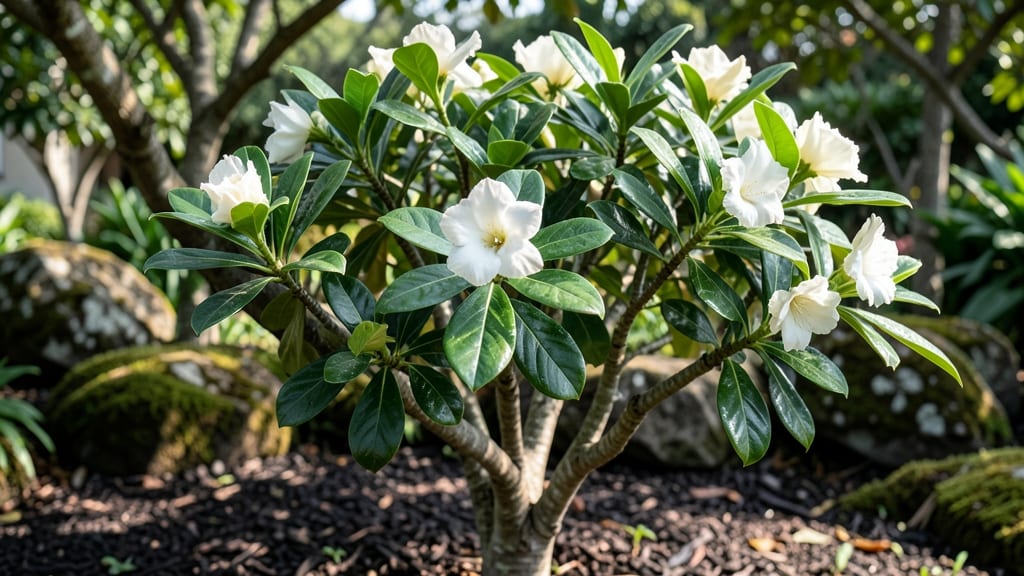
How tall does a gardenia tree grow? The answer varies wildly—from compact 3-foot shrubs to towering 15-foot trees—depending on the variety and how you prune it.
Picture this: You plant a fragrant gardenia 🌸 expecting a charming patio shrub, only to wake up years later staring at a small tree that blocks your bedroom window. That’s why knowing your gardenia’s growth potential upfront is the key to avoiding backyard surprises.
Some varieties, like the dwarf ‘Radicans,’ stay under 3 feet and thrive in containers, while others—like the classic ‘Gardenia jasminoides’—can stretch to 10 feet or more if left unchecked.
The good news? Pruning in early spring can keep even the tallest types in check, and spacing them properly at planting saves you from last-minute trimming regrets.
Below, I break down the exact height ranges for popular gardenias, how to control their size naturally, and the spacing tricks that keep your garden looking intentional—not overgrown.

Gardenia tree height ranges by popular variety type
If you’ve ever dreamed of a garden filled with the intoxicating scent of gardenias, you’ll want to know exactly how tall these beauties can grow. The Gardenia jasminoides, the most common variety, typically matures between 6 to 15 feet, but some dwarf cultivars stay under 3 feet.
Understanding these height ranges helps you choose the perfect variety for your space—whether you’re aiming for a privacy screen or a container-friendly patio plant.
The height of your gardenia isn’t just about the variety—it’s also shaped by pruning habits, soil conditions, and climate factors. For example, a Gardenia radicans (climbing gardenia) can sprawl up to 20 feet if given support, while Gardenia augusta stays compact at 3 to 6 feet.
Below, we break down the exact height ranges for the most popular gardenia types, so you can plan your garden layout with precision.
| Variety | Mature Height | Growth Rate | Ideal Spacing | Best For |
|---|---|---|---|---|
| Gardenia jasminoides (Standard) | 6–15 ft | 1–2 ft/year | 10–15 ft apart | Privacy screens, large gardens |
| Gardenia jasminoides 'Kleim's Hardy' (Dwarf) | 3–6 ft | 6–12 in/year | 5–8 ft apart | Containers, patios, small yards |
| Gardenia augusta (Compact) | 3–6 ft | 8–12 in/year | 4–6 ft apart | Borders, foundation plantings |
| Gardenia radicans (Climbing) | Up to 20 ft (with support) | 1–3 ft/year | Plant near trellis or fence | Arbors, pergolas, vertical gardens |
| Gardenia jasminoides 'Veitchii' (Large-Flowered) | 8–12 ft | 1–2 ft/year | 10–12 ft apart | Specimen plants, focal points |
The Gardenia jasminoides is the most versatile choice, offering both standard and dwarf varieties to fit any garden size. If you’re working with limited space, the 'Kleim's Hardy' cultivar is a game-changer—it stays under 6 feet while still producing those iconic creamy-white blooms.
For a dramatic vertical display, Gardenia radicans will climb and sprawl, making it perfect for trellises or fences.
Spacing is critical for healthy growth and abundant blooms. Plant standard varieties like 'Veitchii' at least 10 feet apart to ensure proper airflow and sunlight penetration. Compact types, such as Gardenia augusta, can handle closer spacing (4–6 feet), making them ideal for foundation plantings or borders.
Always consider the mature height when planning—you don’t want your gardenia outgrowing its space in just a few years!
One common mistake is assuming all gardenias grow the same way. For instance, the climbing Gardenia radicans needs a sturdy support structure to reach its full potential, while dwarf varieties may struggle if planted too far apart.
To maximize blooms, prune regularly to encourage air circulation and sunlight exposure. This not only controls height but also promotes healthier, more fragrant flowers.
If you’re growing gardenias in containers, opt for dwarf varieties
How to control gardenia tree height naturally (pruning & care)
If your gardenia is growing taller than you planned, don’t panic—this fragrant beauty responds beautifully to natural height control through smart pruning and care. The key is timing: prune at the right season to encourage bushier growth or taller stems, depending on your goal.
For example, I prune my 6-foot gardenia in late winter to shape it, but I avoid heavy cuts in summer when it’s already flowering. The result? A perfectly proportioned plant that stays within my desired height range while still producing those intoxicating blooms.
Before you reach for the shears, understand that gardenias grow 1-2 feet per year under ideal conditions. Without pruning, a standard variety can easily reach 10-15 feet, while dwarf types max out at 3-6 feet. The good news?
You can slow growth naturally by adjusting fertilizer amounts, restricting roots, or using selective pruning techniques. I’ve found that root pruning in early spring reduces top growth by up to 30% without stressing the plant.
- Step 1: Prune in Late Winter – Cut back 1/3 of last year’s growth to encourage bushier growth. Use clean, sharp shears to make 45-degree cuts just above a leaf node.
- Step 2: Shape in Early Spring – Remove suckers and crossing branches to improve airflow. This prevents disease while maintaining your desired shape.
- Step 3: Light Summer Trim – Pinch back new growth tips to slow height increase. Avoid heavy pruning now—it can reduce next year’s blooms.
- Step 4: Root Restriction (Optional) – For dwarf varieties, plant in a narrow container or use a root barrier to limit upward growth.
- Step 5: Adjust Fertilizer – Reduce nitrogen-heavy fertilizers to slow leafy growth. Switch to a low-nitrogen, high-phosphorus blend (like 10-20-10) to encourage more blooms and less height.
Timing is everything when pruning gardenias. For maximum blooms, I prune my plants in late winter or early spring, just as new buds form. This gives the plant time to recover and set flowers before summer.
If you prune too late, you risk cutting off next year’s flowering wood. Pro tip: Always prune after the last frost date in your area to avoid damaging tender new growth.
Another trick I swear by is selective pruning—targeting only the tallest stems to keep the plant balanced. For example, if your gardenia is lopsided, focus on trimming the taller side to encourage even growth.
I also avoid topping (cutting the very top off), as this can lead to weak, leggy growth and fewer flowers. Instead, prune just above a leaf node to stimulate branching.
For gardeners with limited space, container growing is a game-changer. By planting your gardenia in a 5-gallon pot with a root-restricting liner, you can keep even standard varieties under 5 feet tall. Just remember to repot every 2-3 years to refresh the soil and prevent root-bound stress.
I’ve kept my ‘Kleim’s Hardy’ gardenia at 4 feet for years using this method, and it still blooms like crazy!
Finally, don’t underestimate the power of regular maintenance. Deadheading spent blooms and removing seed pods redirects the plant’s energy into new growth and flowers instead of seed production.
I make it a habit to check my gardenias weekly during bloom season—it takes just 5 minutes and keeps the plant looking tidy and controlled. With these natural methods, you’ll have a gardenia that stays at your ideal height while still filling your garden with that unmistakable fragrance. 🌸