
How To
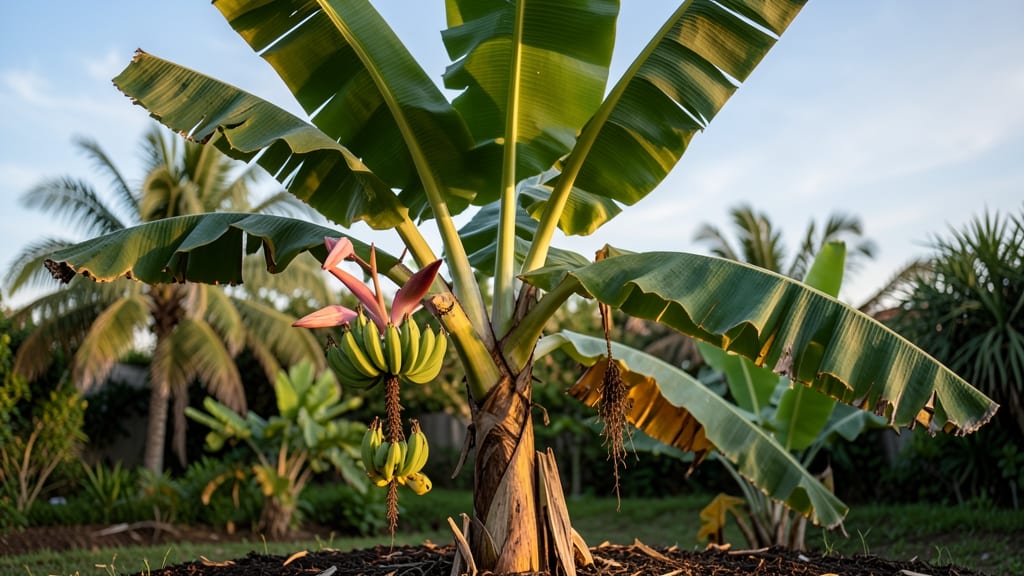
How tall does a banana tree grow—it depends on the variety, with heights ranging from 10 to 30 feet, while dwarf types stay compact at 8–12 feet—meaning your backyard could become a mini jungle or just a cozy tropical corner. If you’ve ever dreamed of harvesting your own bananas, understanding their growth habits is the first step, since some varieties stretch like skyscrapers while others fit neatly into small gardens.
In warm climates like USDA Zones 10–12, these 🍌 giants thrive year-round, while colder zones keep them as houseplants or seasonal outdoor stars. The key? Choosing the right variety for your space and learning how to prune for control.
Below, I’ll break down exact heights by cultivar, how fast they grow, and the best ways to manage their size—whether you’re growing for fruit, foliage, or just the fun of watching them stretch toward the sky.

Banana tree height by variety: exact growth ranges for common types
Choosing the right banana variety is like picking your dream backyard skyline—some grow like towering giants while others stay compact enough for patios.
The Dwarf Cavendish, for example, tops out at just 10–12 feet, making it perfect for containers, while the Red Dacca can shoot up to 20+ feet in tropical climates.
Understanding these height differences helps you plan your garden layout, select containers, or even choose varieties that fit under your balcony awning.
Banana trees aren’t just about height—their growth rates vary wildly too. A Lady Finger banana might reach 6–8 feet in its first year, while a Gros Michel takes 3–5 years to mature to 15–20 feet.
Below, I’ve broken down the exact height ranges for 10 popular varieties, including their growth speeds and space needs, so you can pick the perfect fit for your space.
Pro Tip: Always check your USDA zone—most banana varieties thrive in zones 10–12, but dwarf types like Ice Cream banana can survive in zone 9 with winter protection. If you’re in colder areas, opt for container-growing to bring them indoors during frost.
| Variety | Mature Height | Growth Speed | Space Needs | Best For |
|---|---|---|---|---|
| Dwarf Cavendish | 8–12 ft | 1–2 years to mature | Containers or small gardens | Patios, urban gardens |
| Lady Finger (Dwarf) | 6–8 ft | Fast (fruits in 1 year) | Containers (15+ gallon) | Small spaces, balconies |
| Ice Cream Banana | 10–15 ft | 2–3 years to mature | Medium gardens or large pots | Tropical landscapes, edible gardens |
| Red Dacca | 18–25 ft | Slow (3+ years) | Large yards, tropical climates | Ornamental focal points |
| Gros Michel | 15–20 ft | 3–5 years to mature | Spacious gardens | Commercial or large home orchards |
| Blue Java | 12–18 ft | 2–3 years to mature | Medium to large gardens | Edible landscapes, tropical zones |
| Manzano (Cooking Banana) | 10–14 ft | 2 years to mature | Containers or small plots | Edible gardens, permaculture |
| Cardaba | 16–22 ft | 3–4 years to mature | Large properties | Tropical screen plants |
| Mysore | 12–16 ft | 2–3 years to mature | Medium gardens | Ornamental and edible |
| Horn Plant (Abyssinian Banana) | 6–10 ft | Slow (ornamental focus) | Containers or small gardens | Decorative, non-fruiting |
If you’re growing bananas in containers, stick to dwarf varieties like Lady Finger or Dwarf Cavendish—their roots stay manageable in 15–30 gallon pots. For in-ground planting, give standard varieties like Gros Michel at least 10
How to control banana tree height: pruning, variety selection & space planning
Banana trees can grow taller than your garage—some varieties reaching 30 feet—but that doesn’t mean you’re stuck with a jungle in your backyard. With the right variety selection and pruning techniques, you can keep your banana tree at a manageable height, even in small spaces.
Whether you’re growing in containers or in-ground, understanding how to control growth is key to enjoying tropical fruit without sacrificing your garden’s layout.
For container gardeners, dwarf varieties like the Dwarf Cavendish or Lady Finger banana are your best friends, maxing out at just 8–12 feet. Even in-ground, these smaller types won’t overshadow your patio or pool area.
But if you’ve already planted a taller variety, don’t worry—pruning and space planning can save the day. Let’s break down how to tame your banana tree’s height without sacrificing its productivity.
⚠️ WARNING: Banana Trees Grow FAST—Here’s What You’re Up Against
If you’re growing bananas in containers, pruning is your best tool for control. Start by removing suctioners—those small shoots that form at the base of the plant. These compete for nutrients and can send your tree into overdrive.
Use clean, sharp pruners to cut them off at the base, and repeat every 2–4 weeks during the growing season. For taller varieties, you can also prune the top leaves (called "desuckering") to redirect energy toward fruit production instead of height.
For in-ground banana trees, space planning is everything. Plant your tree at least 10 feet away from structures, fences, or other plants to give it room to spread its massive leaves (which can reach 8 feet wide).
If you’re in a small yard, opt for dwarf or semi-dwarf varieties like the Ice Cream banana (12–18 feet) or Bluggoe (10–15 feet). These stay compact while still producing edible, high-quality fruit.
Don’t forget about mulching—a thick layer of organic mulch (like straw or wood chips) helps regulate soil temperature and moisture, which can slow aggressive growth in hot climates. Pair this with balanced fertilization (like a 10-10-10 NPK mix) applied every 4–6 weeks during the growing season.
Over-fertilizing with nitrogen can send your tree into a height-spiraling frenzy, so stick to the recommended amounts.
With these strategies, you can enjoy homegrown bananas without your tree becoming a backyard skyscraper. Whether you’re pruning, selecting the right variety, or planning your space, a little effort now means years of manageable growth and delicious fruit. Happy growing!