
How To
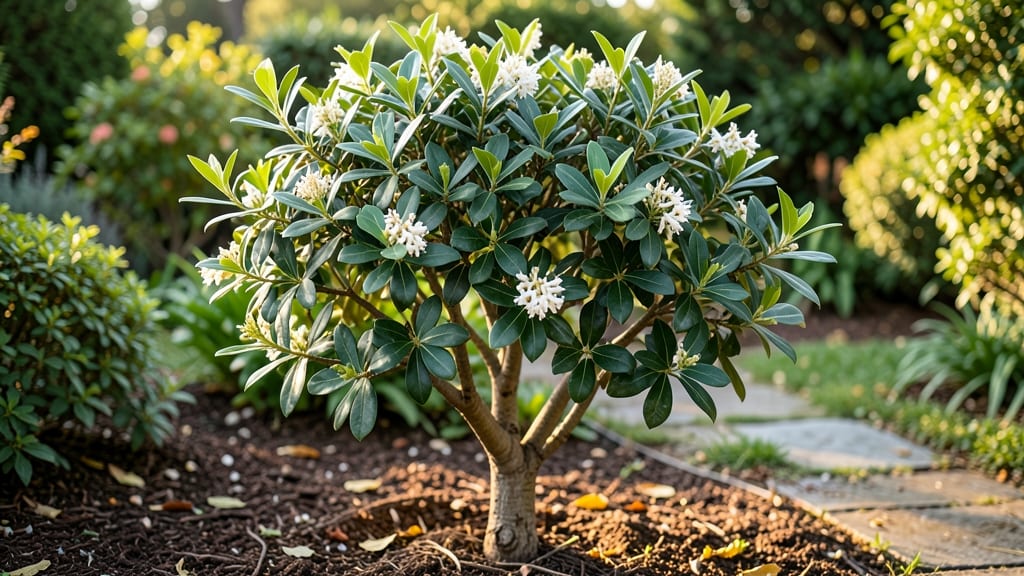
Tea olives 🫒 can grow anywhere from 6 to 15 feet tall, depending on variety, care, and growing conditions—but that range might surprise you.
Picture this: You’ve spent months nurturing your tea olive, only to realize it’s shooting up faster than expected, leaving you scrambling for space or wondering if you’ve made a mistake. The truth? Their height isn’t just about genetics—soil, pruning, and even your local climate play a huge role.
In this guide, we’ll break down the key factors that determine how tall your tea olive will grow, whether you’re working with a standard shrub or a compact cultivar. You’ll also learn how to keep it at your ideal height without sacrificing health or harvest.
By the end, you’ll know exactly what to expect—and how to prune for perfection—so your tea olive thrives without taking over your garden.

Tea olive tree height: standard vs. dwarf varieties explained
Tea olives (Olea europaea) are stunning Mediterranean plants known for their silvery foliage and drought tolerance, but their mature height can be a game-changer for your garden layout. Standard varieties can reach 15–25 feet tall, while dwarf cultivars stay between 6–10 feet.
Your choice directly impacts pruning needs, container suitability, and even how you harvest those prized leaves for tea blends. Let’s break down what to expect from each type and how to control their growth.
If you’re working with limited space, dwarf tea olives are your best bet. These compact varieties—like the 'Little Ollie' or 'Arbequina'—thrive in containers or small gardens while still delivering the same aromatic leaves.
Standard varieties, however, need room to stretch their branches, making them ideal for larger landscapes or as focal points. Understanding these differences helps you plan for long-term care and avoid overcrowding in your garden.
🌱 Key Consideration: Even dwarf varieties can outgrow their containers if not pruned regularly. Always leave 1–2 inches of space between the plant’s canopy and the container’s rim to prevent root binding.
| Variety Type | Mature Height | Growth Rate (Year 1) | Ideal Growing Conditions | Pruning Needs |
|---|---|---|---|---|
| Standard | 15–25 ft | 2–3 ft | Full sun, well-draining soil | Annual shaping; remove 1/3 of growth in late winter |
| Dwarf | 6–10 ft | 1–2 ft | Full sun, containers or ground | Light pruning; trim dead branches as needed |
Your climate zone plays a huge role in how tall your tea olive grows. In warmer regions like USDA Zones 8–10, these trees grow faster and taller due to longer growing seasons.
In cooler zones (e.g., Zone 7), growth slows, and mature heights may stay on the shorter end of the spectrum. For example, a standard tea olive in Southern California might hit 20+ feet, while the same variety in New York could max out at 12–15 feet.
Soil quality also influences height. Tea olives thrive in well-draining, slightly alkaline soil (pH 6.5–8.0). Poor drainage or compacted soil can stunt growth, leading to a less robust structure and smaller mature size. Amend heavy clay soil with compost or perlite to improve drainage and encourage healthier, taller growth.
Pruning habits are the single biggest factor in controlling height. For standard varieties, I recommend annual pruning in late winter to remove 1/3 of the oldest wood.
This encourages bushier growth and prevents the tree from becoming top-heavy. Dwarf varieties need minimal pruning—just remove dead or crossing branches to maintain their compact shape.
Container-grown tea olives have the slowest growth rates because their root systems are restricted. If you’re growing a dwarf variety in a pot, expect it to reach half its mature height compared to ground-planted trees.
Use large containers (15+ gallons) with drainage holes and repot every 2–3 years to accommodate root growth.
Light exposure affects height too. Tea olives need 6+ hours of direct sunlight daily to grow to their full potential. In shadier conditions, they’ll grow taller but leggier, with fewer leaves.
If you’re growing indoors near a south-facing window, supplement with a grow light for 12–14 hours a day to mimic full sun.
Harvesting leaves for tea also impacts height. Regularly pruning for leaves—especially from the lower branches—can encourage the tree to grow taller as it reaches for more light.
If you’re growing tea olives for their edible leaves, aim to harvest no more than 1/3 of the foliage per season to avoid stressing the plant.
Pro tip: If you’re unsure about your tea olive’s variety, check the leaf size and shape. Dwarf varieties like 'Arbequina' have smaller, rounded leaves, while standard types like 'Mission' have larger, elongated leaves. This visual clue can help you predict mature height before planting.
Whether you choose a towering standard or a compact dwarf, understanding these factors ensures your tea olive thrives—and fits perfectly in your garden. Start with the right variety, give it the care it needs, and watch it grow into a stunning, low-maintenance centerpiece. ✂️🌿
How to prune tea olives for controlled growth and better harvests
Pruning your tea olive (Olea europaea) isn’t just about keeping it tidy—it’s the key to controlling its height and boosting fruit production. Whether you have a standard variety reaching 15–25 feet or a dwarf cultivar (6–10 feet), strategic pruning ensures your tree stays healthy and productive.
The right techniques also make harvesting leaves or olives easier while shaping the tree to fit your space.
Timing and technique matter most. Prune at the wrong time or with the wrong tools, and you risk stunted growth, disease, or even losing your harvest. For example, heavy pruning in late summer can stress the plant, while light pruning in early spring encourages vigorous growth.
I’ll walk you through the seasonal pruning schedule, essential tools, and common mistakes that even experienced gardeners make.
🌱
- Step 1: Choose the Right Time
- Prune in late winter or early spring (before new growth starts).
- Avoid pruning in fall or winter—this can leave cuts vulnerable to disease.
- Step 2: Gather Your Tools
- Sharp bypass pruners for small branches.
- Loppers for medium-sized branches (½–1 inch thick).
- Sterilized pruning saw for thick branches.
- Disinfect tools with rubbing alcohol to prevent bacterial spread.
- Step 3: Remove Dead or Diseased Wood
- Cut out dead, damaged, or diseased branches first—these can spread issues.
- Look for discolored or mushy wood as signs of trouble.
- Step 4: Thin Out Crowded Branches
- Remove 1/3 of the oldest branches to improve airflow and sunlight penetration.
- Focus on branches growing inward or crossing—these compete for resources.
- Step 5: Shape for Height Control
- For dwarf varieties, prune the topmost growth to encourage bushier growth.
- For standard trees, selectively prune vertical branches to maintain a balanced shape.
- Step 6: Encourage Fruit Production
- Prune to leave 3–5 main branches for better fruit yield.
- Avoid over-pruning—too many cuts reduce flowering and fruiting.
- Step 7: Clean Up and Monitor
- Remove and dispose of pruned debris to prevent pests.
- Apply mulch around the base to retain moisture and suppress weeds.
Seasonal pruning is crucial for maintaining your tea olive’s health and productivity. In spring, focus on shaping and removing dead wood to encourage new growth. During summer, do minimal pruning—just remove any overly vigorous shoots that disrupt the tree’s shape.
In fall, avoid heavy pruning unless you’re preparing for winter, and in winter, limit pruning to removing dead branches only.
One of the biggest mistakes I see gardeners make is pruning too late in the season. Late summer or fall pruning can stimulate tender new growth that won’t harden off before winter, leaving your tree vulnerable to frost damage.
Another common error is using dull or dirty tools, which can tear branches and introduce diseases like silver leaf fungus. Always sterilize your tools between cuts, and make clean, precise cuts just above a bud or branch collar.
For container-grown tea olives, pruning is even more critical since space is limited. Prune regularly to prevent the tree from becoming root-bound, and choose a dwarf variety if you’re working with pots.
Remember, tea olives are slow growers, so patience is key—don’t rush to prune aggressively in the first few years. With the right approach, you’ll enjoy a well-shaped, productive tree that fits perfectly in your garden.
✂️