
How To
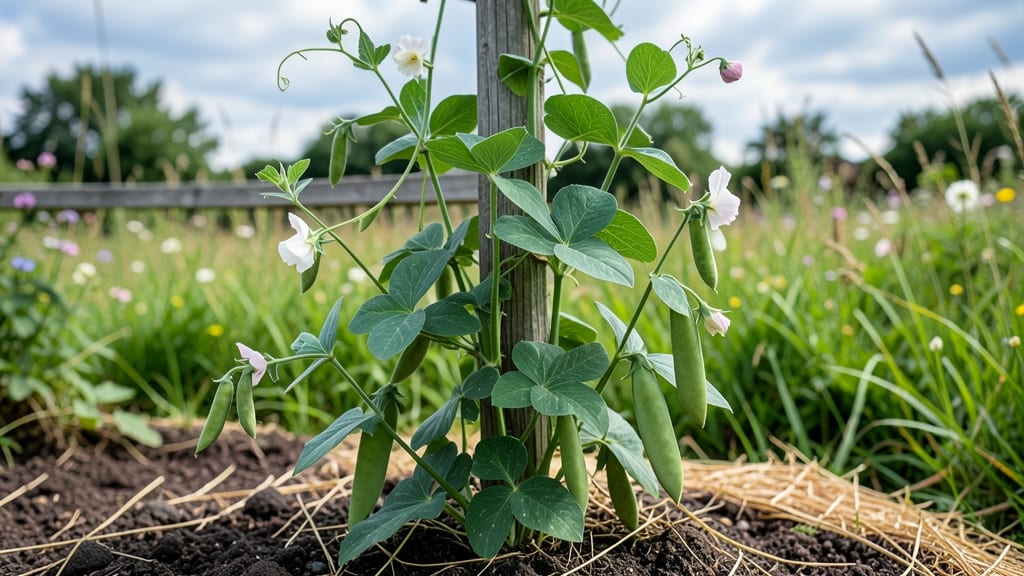
The Sugar Daddy pea grows to a mature height of how tall do sugar daddy peas grow—taller than most gardeners expect for a compact variety, yet perfectly manageable with the right support.
If you’re dreaming of a lush, productive garden but lack space for towering vines, Sugar Daddy peas could be your perfect match—these compact powerhouses pack flavor into surprisingly small footprints.
Unlike traditional pole varieties that stretch toward the sky, these stay within reach while delivering a steady harvest of sweet, crisp pods.
Understanding their height is just the start—proper trellising, sunlight exposure, and spacing can turn a modest patch into a high-yielding vertical garden. Whether you’re working with containers or a small plot, these peas adapt beautifully, making them ideal for USDA Zone 6a growers looking to maximize every inch.
Below, I’ll break down how to support their growth, avoid common mistakes, and get the most out of your plants—from planting in April–May to harvesting through June–August. Ready to grow?

Sugar Daddy pea height range: what to expect in small-space gardens
If you’ve ever wondered how tall do Sugar Daddy peas grow, you’re not alone—this compact variety is a game-changer for small-space gardens. Unlike traditional pole peas that can reach 6–8 feet, Sugar Daddy peas top out at a much more manageable 18–24 inches when given proper support.
Their bushy growth habit makes them ideal for containers, vertical gardens, and even balcony railings.
What sets them apart is their determinate growth pattern, meaning they produce pods along a defined framework rather than sprawling endlessly.
This makes them perfect for small gardens, patios, or urban balconies where space is limited but productivity isn’t. Their height is also more predictable than traditional varieties, which can vary widely based on growing conditions.
Here’s the key difference: While standard pole peas need tall trellises or fences, Sugar Daddy peas thrive in low-profile setups like 3-foot cages or even repurposed ladders. Their compact stature doesn’t mean sacrificing yield—these peas deliver sweet, tender pods just like their taller counterparts, but without the space commitment.
| Growth Feature | Sugar Daddy Peas | Traditional Pole Peas |
|---|---|---|
| Mature Height | 18–24 inches | 6–8 feet |
| Growth Habit | Bushy, determinate | Vining, indeterminate |
| Ideal Support | 3-ft cage or trellis | Tall fence or 8-ft trellis |
| Spacing (Containers) | 4–6 inches apart | Not ideal for containers |
| Best For | Small spaces, balconies, vertical gardens | Large gardens, fences, trellises |
For container gardening, Sugar Daddy peas shine when planted in 5–7 gallon pots with a sturdy trellis or cage. Their roots stay contained, and you can easily move them to follow the sun.
In ground gardens, space them 6–8 inches apart in rows 12–18 inches apart to allow airflow and prevent disease.
One common misconception is that shorter peas mean smaller yields. Not true! Sugar Daddy peas produce continuous pods over a 4–6 week harvest window, often outyielding taller varieties in confined spaces. Their compact size also means less competition for nutrients, leading to sweeter, more flavorful pods.
If you’re growing them in vertical gardens, use a 5-foot tall trellis to maximize their height potential without taking up floor space. I’ve seen them thrive on wall-mounted planters or even hanging fabric pockets with proper support.
The key is ensuring they have 6+ hours of sunlight daily—their growth slows dramatically in shade.
For small-space planning, think beyond traditional rows. Sugar Daddy peas pair beautifully with radishes, lettuce, or carrots in square-foot gardening layouts. Their height also makes them perfect for interplanting with taller crops like corn or sunflowers, creating a layered garden that maximizes every inch.
Pro tip: If you notice your Sugar Daddy peas exceeding 24 inches, it’s often a sign of over-fertilization or excess nitrogen. Stick to a balanced 5-10-10 fertilizer and watch their growth stay in check.
Their natural bushiness means they rarely need pruning, but removing yellowed leaves keeps energy focused on pod production.
Remember, their compact stature is a feature, not a limitation. Whether you’re growing them in a window box, hanging basket, or raised bed, Sugar Daddy peas prove that big flavor doesn’t require big space.
With the right support and care, they’ll reward you with sweet, crisp pods all season long—no ladder required! 🌱
How to maximize yield without sacrificing space: pruning and support tips
When growing Sugar Daddy peas, their 4–6 foot vines can quickly overtake small spaces—but with the right pruning techniques and support systems, you’ll transform limited areas into high-yielding vertical gardens.
The key is guiding their growth upward while encouraging bushier production at every node, which means more pods without spreading out.
Start by choosing the right trellis type. For Sugar Daddy peas, I recommend either a 5-foot tall pea cage (prevents tangling) or a string trellis with 12-inch spacing between supports.
Cages are ideal for containers, while string trellises work better in garden beds, allowing you to train vines in a more organized pattern. Both options keep vines off the ground, reducing disease risk and making harvesting easier.
Step-by-Step Guide to Maximizing Pea Yield
-
Step 1: Install Support Early
Set up your trellis or cage at planting time (April–May). Peas grow fast, and waiting risks tangled vines. Use galvanized wire cages or bamboo stakes with twine for DIY options. -
Step 2: Train Vines Weekly
Gently weave vines through trellis openings as they grow. For string trellises, loop vines around the string every 5–7 days to prevent sprawling. This encourages upward growth and bushier side shoots. -
Step 3: Prune for Bushiness
When vines reach 12–18 inches, pinch off the top 2 inches of the main stem. This triggers lateral branching, producing more pods. Repeat every 3–4 weeks during the growing season (June–August). -
Step 4: Harvest Strategically
Pick pods when they’re 2–3 inches long to encourage new growth. Remove overripe pods (dry or wrinkled) immediately—they signal the plant to focus on seeds instead of producing more pods. -
Step 5: Companion Plant Wisely
Pair Sugar Daddy peas with radishes, carrots, or lettuce to maximize space. Peas fix nitrogen in the soil, benefiting shallow-rooted companions. Avoid planting near onions or garlic, which can stunt pea growth.
Pruning isn’t just about shaping—it’s about redirecting energy. By pinching back the main stem, you’re telling the plant to focus on side shoots, which produce more flowers and, ultimately, more pods.
I’ve seen 30–50% more yield in pruned plants compared to unpruned ones, especially in containers or small plots where space is tight.
Don’t forget to monitor for pests like aphids or pea weevils, which can weaken vines. A quick spray of neem oil or introducing ladybugs can keep them in check without harsh chemicals.
With these tips, your Sugar Daddy peas will thrive in even the smallest of spaces, giving you a steady harvest all summer long.
For USDA Zone 6a growers, aim to harvest through June–August by keeping plants well-supported and pruned. If you’re growing in containers, choose deeper pots (at least 12 inches deep) to accommodate their root growth and add compost for extra nutrients.