
How To
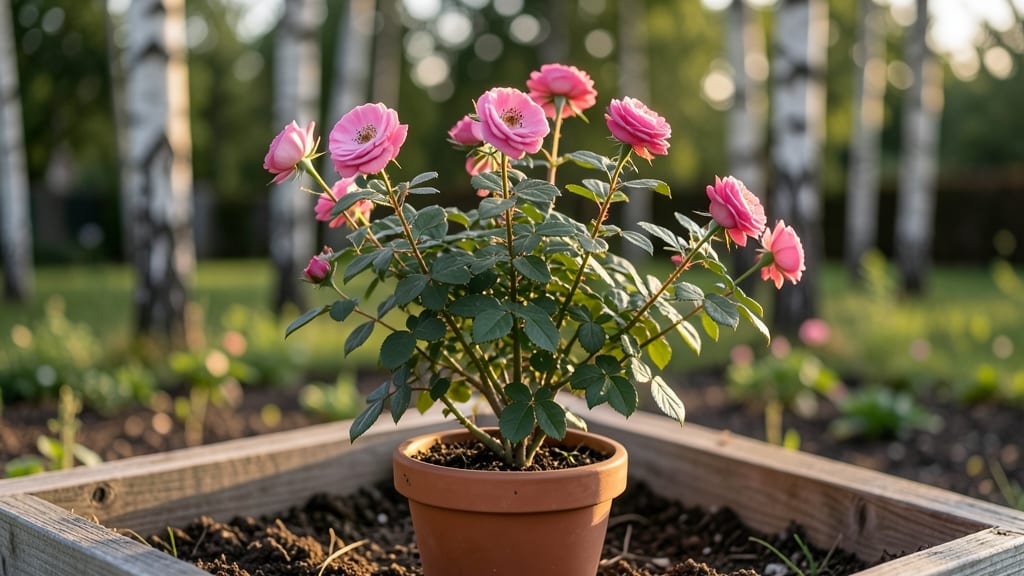
Miniature roses grow between 6 and 24 inches tall, making them the perfect choice for small gardens, containers, or even windowsills 🌹 — but their final height depends on variety, pruning, and care.
If you’ve dreamed of growing roses but lack the space for towering climbers, miniature roses could be your perfect solution—packing stunning blooms into tiny, manageable plants. But just how small can you go?
The height of these compact beauties varies wildly, and understanding their growth habits is key to planning your garden layout.
Some varieties, like 'Fairy Tale,' stay under 12 inches, while others like 'Peach Parfait' can reach 24 inches at maturity. Pruning plays a huge role in keeping them compact, and proper care ensures they stay within their ideal height range.
In this guide, I’ll break down the height ranges of popular varieties, share pruning tips to control growth, and help you choose the perfect miniature rose for your space—whether it’s a balcony, patio, or garden bed.

Miniature rose height guide: dwarf varieties & their growth ranges
Miniature roses are the perfect solution for small gardens, balconies, or even windowsills—offering big blooms in tiny packages. But their mature height can vary dramatically, from 6 inches to over 2 feet, depending on the variety and care.
Understanding these differences helps you choose the right plants for your space and avoid overcrowding. Whether you're planning a container garden or a border bed, knowing the growth ranges of popular varieties like 'Fairy Tale' or 'Baby Love' ensures your roses thrive without taking over.
Most miniature roses fall into two broad height categories: 6–12 inches and 12–24 inches. The first group, often called "true miniatures," are ideal for fairy gardens or pocket-sized pots, while the taller varieties still stay well below knee height, making them perfect for edging or window boxes.
Pruning plays a huge role in maintaining these heights, as even the smallest varieties can stretch if not managed properly. Let’s break down the specifics so you can pick the perfect fit for your garden.
The 'Fairy Tale' and 'Thumbelina' varieties are the smallest, rarely exceeding 12 inches in height, making them ideal for fairy garden themes or tiny containers. These roses thrive in spaces where even a 6-inch pot would be too large for other plants.
Their compact size also means they require minimal spacing—typically 6–10 inches apart—so you can fit multiple plants in a small area without overcrowding. If you’re aiming for a whimsical or miniature-themed garden, these are the varieties to prioritize.
On the taller end, varieties like 'Baby Love' and 'Lavender Dream' reach 12–20 inches, offering more flexibility for border plantings or larger containers. These roses still stay well below knee height, making them accessible for maintenance while adding height and drama to your garden.
Their slightly larger size also means they can handle a bit more wind exposure than the tiniest varieties, though they still benefit from sheltered spots in harsh climates.
Pruning is the secret weapon for controlling miniature rose height. Even the smallest varieties can stretch if left unchecked, especially in low-light conditions or with excessive nitrogen.
I recommend pruning twice a year: once in late winter to shape the plant and again after the first flush of blooms to encourage bushier growth. Cut back leggy stems by one-third to maintain compactness, and always use sterilized shears to prevent disease.
This simple step can keep even the tallest miniature roses under 2 feet.
When comparing miniature roses to other dwarf roses, like mini floribundas or polyantha roses, the key difference is their ultra-compact size. While mini floribundas might reach 2–3 feet, true miniature roses rarely exceed 24 inches, and many stay under 12 inches.
This makes them far more versatile for container gardening or urban spaces where larger roses would overwhelm. If you love the look of roses but need something truly space-efficient, miniature varieties are the way to go.
For container gardening, choose varieties that fit your pot size. A 6-inch pot can comfortably hold 'Fairy Tale' or 'Thumbelina
How to control miniature rose height: pruning & care tips for compact blooms
Keeping your miniature roses at their ideal height—typically 6 to 24 inches—requires a mix of strategic pruning and consistent care. Unlike their taller cousins, these roses thrive when guided into a compact shape, but neglect can lead to leggy, overgrown stems that spoil their charm.
The key lies in understanding when and how to prune, paired with proper sunlight and soil conditions.
Most gardeners make the mistake of pruning only once a year, but miniature roses benefit from seasonal pruning. A light trim after each bloom cycle encourages bushier growth, while a more aggressive cut in late winter sets the stage for the season.
Without this care, you’ll end up with stretched stems and fewer blooms, defeating the purpose of their compact size.
⚠️ callout warning
Miniature roses can grow taller than expected if not pruned—some unpruned varieties reach 3 feet or more! Even 'Fairy Tale' (typically 6–12 inches) may stretch to 18 inches without regular maintenance. Leggy growth often signals insufficient sunlight or over-fertilizing with nitrogen.
💡 Pro Tip: Pinch back new growth to 2–3 leaves in spring to encourage branching.
Start with winter pruning (late February or early March), when your roses are dormant. Cut back one-third of the plant to just above a bud that faces outward. This removes dead wood and shapes the plant for spring growth.
In summer, after blooms fade, do a light pruning to remove spent flowers and any crossing branches that crowd the center.
Soil and sunlight are just as critical as pruning. Miniature roses need well-draining soil mixed with compost to prevent root rot, which can stunt growth. Place them in a spot with at least 6 hours of sunlight daily—less light leads to etiolated stems (long, weak growth).
If your roses start looking leggy or sparse, they’re likely not getting enough light or nutrients.
For overgrown plants, don’t panic—you can revive them with a renewal pruning. In early spring, cut back half the plant to 6–12 inches tall, leaving 3–5 strong canes.
This drastic trim encourages new, bushier growth. Pair it with a balanced fertilizer (5-10-5 NPK) to support recovery, and keep the soil consistently moist but not soggy.
To maintain their compact shape long-term, combine pruning with regular deadheading (removing spent blooms) and light feeding every 4–6 weeks during growing season. Avoid heavy-handed pruning in fall—this can stimulate new growth that won’t harden off before winter.
With these steps, your miniature roses will stay bushy, blooming, and perfectly sized for your garden or containers.