
How To
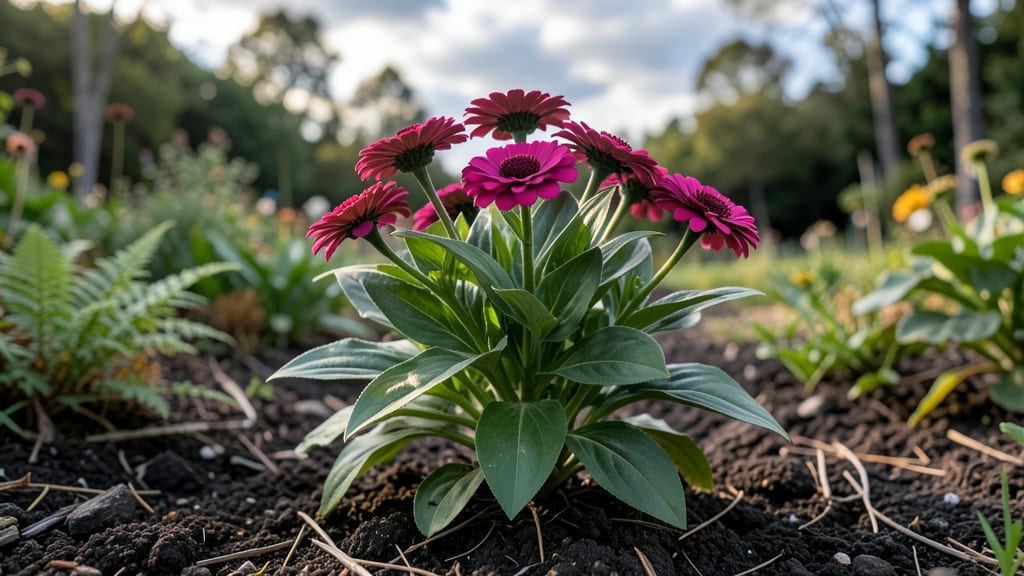
How tall do Lilliput zinnias grow? They reach a mature height of just 6 to 12 inches, making them the ideal choice for small gardens, containers, or tight borders.
If you love the vibrant blooms of zinnias but have limited garden space, Lilliput zinnias are the perfect solution—compact, colorful, and surprisingly hardy. But before you plant, knowing their mature height ensures your garden design thrives without overcrowding.
These dwarf varieties stay short and bushy, rarely exceeding a foot tall, which means they fit neatly into window boxes, hanging baskets, or alongside taller perennials. Their compact stature also makes them perfect for cutting gardens, where you can snip a few stems for bouquets without sacrificing the plant’s structure.
Below, I’ll cover everything you need to know about spacing, sunlight, and care to keep your Lilliput zinnias thriving at their ideal height—so you can enjoy their cheerful blooms all season long.

Lilliput zinnia height range: what to expect from this dwarf variety
If you're dreaming of a vibrant, space-saving flower garden, Lilliput zinnias are an excellent choice. These dwarf zinnias typically reach a mature height of 6–12 inches, making them perfect for containers, window boxes, or tight garden borders.
Their compact size doesn't mean sacrificing beauty—these zinnias pack bold colors and abundant blooms into a tiny footprint.
Unlike their taller cousins, which can soar up to 3–4 feet, Lilliput zinnias stay neatly contained. This makes them ideal for urban gardens, patios, or even indoor growing with sufficient light.
Their predictable height also means you can plan your garden layout with precision, ensuring every plant has room to thrive without competing for space.
Here’s what you need to know about their height range, growth habits, and how to maximize their potential:
Lilliput zinnias maintain their 6–12-inch height throughout their growing season, though they may stretch slightly taller—up to 12 inches—in late summer when heat encourages a bit of extra growth. This makes them ideal for long-season gardens where you want consistent, low-maintenance color.
Their bushy growth habit also means they fill out quickly, creating a dense, lush appearance perfect for borders or edging.
When planning your garden, keep in mind that Lilliput zinnias thrive with 8–12 inches of space between plants. This spacing ensures adequate airflow and sunlight penetration, which reduces the risk of fungal diseases and encourages larger, more vibrant blooms.
If you’re growing them in containers or hanging baskets, a 6–8-inch-deep pot will give their roots enough room to establish while keeping their height in check.
One of the biggest advantages of Lilliput zinnias is their versatility in garden designs. Whether you're creating a pollinator-friendly border, a window box display, or a container garden on your patio, their predictable height makes them easy to incorporate.
Pair them with other dwarf plants, like calendulas or sweet alyssum, to create a textured, layered look without overwhelming your space.
If you’re comparing Lilliput zinnias to standard zinnias, the difference in height is dramatic. While standard varieties can reach 3–4 feet tall, Lilliput zinnias stay well below knee height. This makes them far more manageable for small gardens, raised beds, or even indoor growing under grow lights.
Their compact stature also means they’re less likely to flop or require staking, saving you time and effort.
For seasonal variations, Lilliput zinnias perform best in warm climates (USDA Zones 6–10) and can even tolerate light frosts if planted in spring or fall. In cooler regions, treat them as annuals and plant them after the last frost date.
Their quick-growing nature means you’ll see blooms in as little as 6–8 weeks, making them a great choice for fast garden color.
To ensure your Lilliput zinnias reach their full height potential, provide them with full sun (6+ hours daily) and well-draining soil. A light feeding with a balanced fertilizer (5-10-10) every 4–6 weeks will also encourage stronger stems and more abundant blooms.
With the right care, you’ll enjoy their cheerful, long-lasting flowers from early summer until the first frost.
So, if you’re looking for a low-maintenance, space-efficient flower that delivers big on color and charm, Lilliput zinnias are a game-changer. Their predictable height and easy-care nature make them a favorite among gardeners of all skill levels.
Whether you're a beginner or a seasoned pro, these tiny powerhouses will add joy and beauty to your garden without the hassle.
How to maximize Lilliput zinnia growth: spacing, sunlight, and soil tips
To get your Lilliput zinnias to reach their full 6–12 inch potential, proper spacing and care are key. These dwarf varieties thrive when given room to breathe, but they also need the right conditions to stay compact and bushy.
I’ve grown them in everything from container gardens to window boxes, and these tips will help you achieve the best results.
One of the biggest mistakes I see is overcrowding, which can stunt growth and reduce blooms. Lilliput zinnias need space to develop strong stems and abundant flowers, so let’s dive into the specifics of spacing, sunlight, and soil that will keep them happy and healthy all season long.
- Spacing: Plant 8–12 inches apart to prevent overcrowding and encourage bushier growth. In containers, use 1 plant per 6-inch pot for optimal airflow.
- Sunlight: Provide 6+ hours of full sun daily. Morning sun is ideal to prevent wilting in hot afternoons. Partial shade can reduce blooms significantly.
- Soil pH: Aim for a 6.0–7.5 pH range. Test your soil and amend with compost or lime if needed. Well-draining soil prevents root rot.
- Watering: Water at the base of the plant in the morning to keep foliage dry. Avoid overhead watering to prevent fungal diseases like powdery mildew.
- Fertilizing: Use a balanced 5-10-10 fertilizer every 4–6 weeks during the growing season. Over-fertilizing can lead to leggy growth and fewer blooms.
When it comes to spacing, Lilliput zinnias need room to spread their roots and develop strong stems. Planting them 8–12 inches apart in garden beds gives them enough space to avoid competition for nutrients and sunlight.
If you’re growing them in containers or hanging baskets, use a 6-inch pot per plant to ensure they have enough room to thrive without becoming root-bound.
These zinnias are sun-worshippers, so placing them in a spot with 6+ hours of full sun is non-negotiable. I’ve noticed that even slight shade can lead to taller, leggier stems and fewer blooms.
If your garden has hot afternoons, consider placing them where they get morning sun and afternoon shade to prevent stress.
Don’t overlook the importance of soil quality. Lilliput zinnias prefer well-draining soil with a pH between 6.0 and 7.5. If your soil is heavy or clay-like, mix in compost or sand to improve drainage.
A quick soil test can save you from guesswork—just add lime or sulfur to adjust the pH if needed.
Finally, consistent watering and fertilizing will keep your Lilliput zinnias blooming all season. Water at the base of the plant in the morning to avoid wetting the leaves, which can lead to fungal issues.
A light feeding every 4–6 weeks with a balanced fertilizer will encourage strong growth and abundant flowers.
With these tips, your Lilliput zinnias will stay compact, bushy, and full of blooms—perfect for adding a pop of color to any garden space! 🌼