
Trees
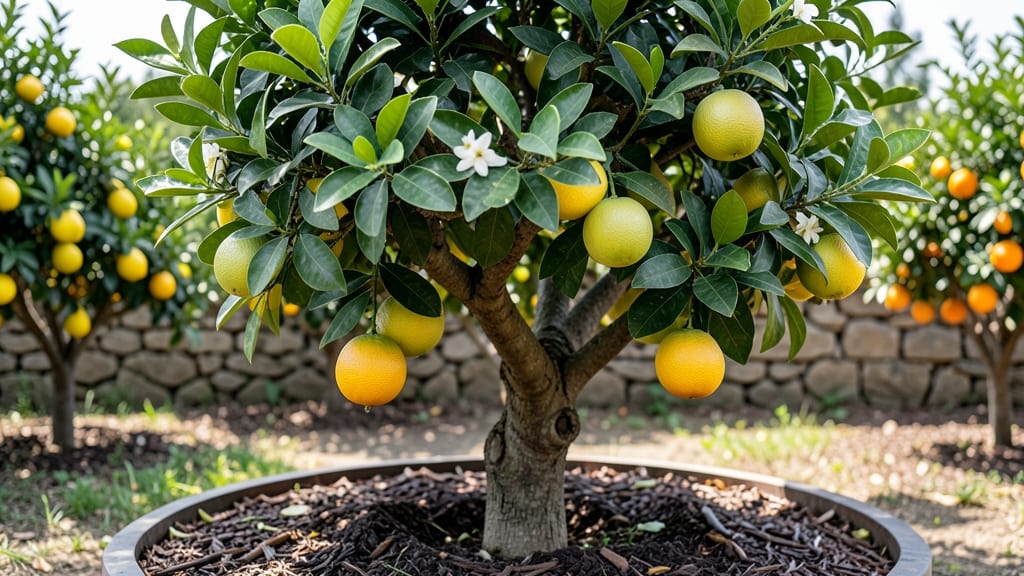
How tall do grapefruit trees grow? They can range anywhere from 8 feet to towering 25 feet, depending on the variety and how you care for them.
If you’ve ever dreamed of growing your own grapefruit but worry about limited space, you’re in luck—many varieties stay compact while still producing sweet, juicy fruit. But how tall do grapefruit trees grow, and which dwarf options fit perfectly in your backyard or container garden?
The key difference lies in the variety: standard types like Ruby Red can reach 20+ feet, while dwarf varieties like Foster stay under 10 feet. This matters for everything from pruning to harvest planning, especially in smaller gardens or urban spaces where vertical room is limited.
Below, I’ll break down the height ranges for each type, share pruning tips to control growth, and highlight the best compact varieties for small spaces—so you can enjoy homegrown grapefruit without sacrificing your yard.

Grapefruit tree height by variety: from towering giants to compact dwarfs
Grapefruit trees are stunning citrus additions to any garden, but their mature size can vary dramatically depending on the variety and growing conditions. Standard grapefruit trees can reach towering heights of 18-25 feet, while dwarf varieties stay under 10 feet, making them perfect for patios or containers.
Understanding these differences helps you choose the right tree for your space and care style.
The height of a grapefruit tree is primarily determined by its genetic variety, but factors like pruning practices, container size, and climate conditions also play a role.
For example, a Ruby Red grapefruit in ideal conditions can grow 20 feet tall, while a dwarf Foster variety might only reach 6-8 feet. Let’s explore the height ranges for popular varieties and how they impact your garden planning.
A standard grapefruit tree like Ruby Red or White Marsh thrives in open spaces, but its size means it’s not ideal for small gardens. These varieties require 15-25 feet of vertical space and at least 10 feet of horizontal clearance for branches.
If you’re working with limited space, consider a semi-dwarf variety like Florida Red, which stays between 12-18 feet tall and is easier to manage with pruning.
For those with containers or patios, dwarf varieties are a game-changer. The Foster grapefruit, for example, tops out at 6-10 feet and can be grown in a large pot (20+ gallons). This makes it perfect for balconies or small urban gardens.
Even smaller is the Thompson grapefruit, which rarely exceeds 8 feet, making it one of the best choices for indoor-outdoor growing in warm climates.
Why do some grapefruit trees grow so much taller than others? It often comes down to rootstock selection. Dwarf varieties are grafted onto dwarfing rootstock, which limits their growth while keeping the fruit production strong.
Standard trees, on the other hand, are grafted onto seedling rootstock, allowing them to grow much taller. If you’re unsure which to choose, consider your garden layout and whether you prioritize fruit yield or space efficiency.
Another key factor is pruning practices. Even standard grapefruit trees can be kept smaller with regular pruning to remove suckers and overgrown branches. This not only controls height but also improves air circulation and fruit quality.
For container-grown trees, pruning is essential to prevent the tree from outgrowing its pot. Aim to prune in late winter or early spring before new growth begins.
If you’re planning to grow grapefruit in a container, choose a variety that naturally stays small, like Foster or Thompson. Containers limit root growth, which naturally restricts the tree’s height.
However, you’ll need a large, sturdy pot (at least 18-24 inches in diameter) and well-draining soil to prevent root rot. Remember, container-grown trees may produce slightly smaller fruit but are far more manageable in tight spaces.
When selecting a grapefruit tree, also consider your climate zone. Most grapefruit varieties thrive in USDA Zones 9b-11, where frost is rare. In cooler climates, dwarf varieties are your best bet, as they’re easier to protect from cold snaps with blankets or indoor overwintering.
Always check the mature height and space requirements before purchasing to ensure it fits your garden or patio.
In summary, grapefruit tree height varies widely, from towering giants like Ruby Red to compact dwarfs like Thompson. By choosing
How to grow grapefruit trees in small spaces: pruning and container tips
Growing grapefruit trees in limited spaces is totally doable with the right techniques. Most standard varieties reach 15-25 feet tall, but with proper pruning and container gardening, you can keep them under 10 feet while still enjoying abundant fruit.
The key is understanding how to control their growth naturally without sacrificing productivity.
When I first started growing grapefruit in containers, I was shocked to see how quickly they could outgrow their pots. But with regular pruning and seasonal maintenance, I’ve kept my Ruby Red grapefruit tree at a manageable 8 feet for over 5 years.
The secret lies in strategic cutting and container selection—both of which I’ll break down step by step.
🌱 Grapefruit Tree Height Guide
Standard varieties grow 15-25 feet tall, while dwarf varieties stay between 8-12 feet. With aggressive pruning, even standard trees can be kept under 10 feet. Container-grown trees typically grow 2-3 feet per year if properly maintained.
Start by selecting the right container size—at least 18-24 inches in diameter for dwarf varieties. Larger pots give roots more room to spread, which helps control height. I use fabric grow bags for my trees because they allow roots to breathe and prevent soil compaction, which can stunt growth.
Prune your grapefruit tree in late winter (just before new growth starts) to shape it and encourage fruit production. Remove any suckers (shoots growing from the base) and crossing branches to improve airflow. For height control, cut back the tallest branches by 1/3 each year—this prevents them from becoming unmanageable.
Don’t forget about seasonal maintenance—grapefruit trees need full sun (6+ hours daily) and well-draining soil. In containers, I add a 1-inch layer of mulch around the base to retain moisture and regulate soil temperature.
During summer, I water deeply every 3-5 days (containers dry out faster than ground soil).
With these techniques, I’ve successfully grown grapefruit trees in 5-gallon pots on my patio, producing 20-30 fruits per year. The key is consistency—regular pruning, proper container size, and attentive care will keep your tree compact while maximizing your harvest. Even in small spaces, you can enjoy fresh, homegrown grapefruit!