
How To
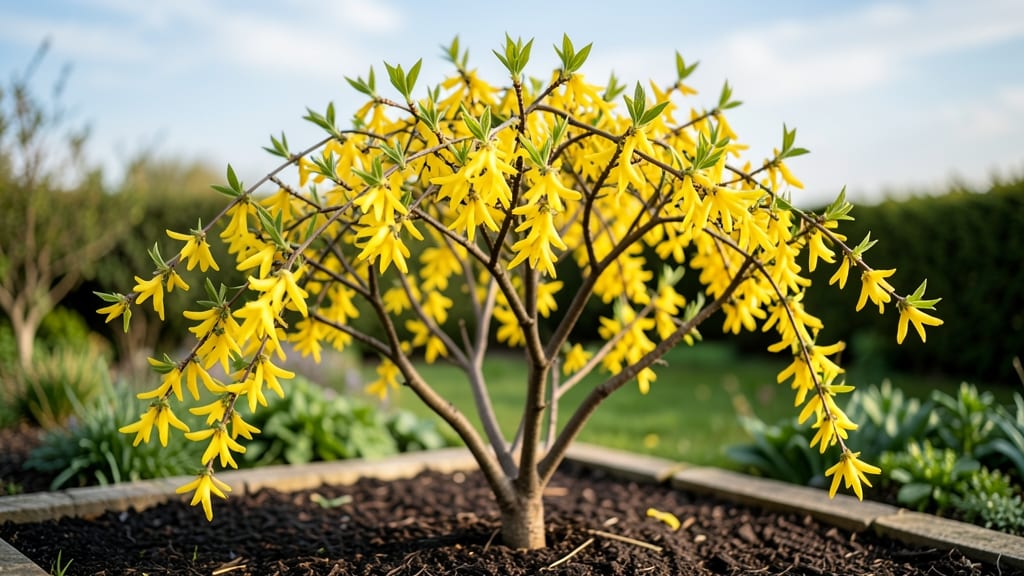
Forsythia shrubs typically grow between 6 and 10 feet tall, but their height depends on the variety and how you care for them.
If you’ve ever wondered why your forsythia seems to reach for the sky—or how to keep it from overshadowing your patio—you’re not alone.
Some varieties stay compact at just 3 to 5 feet, while others can tower over 10 feet without proper pruning. The key to managing their height lies in understanding their growth habits and when to trim.
In this guide, I’ll break down how tall forsythia grow naturally, the best pruning techniques to control their size, and common mistakes that make them grow taller than expected.

Natural forsythia growth height: what to expect by variety
Forsythia shrubs are famous for their vibrant yellow spring blooms and adaptable nature, but their growth height can vary dramatically depending on the variety. If you're planning your garden layout or managing an existing shrub, knowing these differences helps you choose the perfect size for your space.
Most forsythias reach maturity between 6 to 12 feet, but some dwarf varieties stay compact at just 3 to 5 feet.
Understanding these height ranges isn't just about aesthetics—it also affects how you prune and maintain your forsythia. For example, taller varieties like Forsythia × intermedia may need more aggressive pruning to keep them from overshadowing other plants, while dwarf types like 'Little Bee' thrive in small gardens with minimal upkeep.
Let’s explore the most popular varieties and what to expect from each.
Sunlight and soil conditions also play a huge role in determining how tall your forsythia will grow. These shrubs thrive in full sun (6+ hours daily) and well-draining soil, but poor growing conditions can stunt growth or encourage leggy, overgrown habits. For instance, a forsythia planted in partial shade may grow taller and sparser compared to one basking in sunlight.
Soil quality matters too—rich, organic soil promotes healthier growth, while clay-heavy or waterlogged soil can slow development. If your garden soil is less than ideal, amending it with compost before planting can help your forsythia reach its full potential height without becoming top-heavy or weak.
If you're growing forsythia in containers or small spaces, choose dwarf varieties like 'Little Bee' or 'Gold Tide'. These stay under 5 feet tall and are perfect for patios or balconies. Even in containers, they’ll still produce abundant spring blooms without taking over your garden.
For larger gardens, Forsythia × intermedia is a standout choice, often reaching 10 to 12 feet at maturity. This variety is ideal for creating a natural privacy screen or adding height to a mixed border.
Just be prepared for its rapid growth—it can add 2 to 3 feet per year in optimal conditions.
One common misconception is that all forsythias grow tall. In reality, pruning habits and cultivar selection are the real game-changers. For example, if you prune a Forsythia suspensa aggressively every year, you can keep it under 6 feet tall, even though it’s capable of reaching 10 feet without intervention.
Another factor to consider is age and maturity. Young forsythias grow quickly in their first few years, often reaching 3 to 5 feet by year three. After that, growth slows, and the shrub focuses on producing flowers and filling out.
This is why many gardeners wait until their forsythia is at least 3 years old before pruning to control height.
If you're dealing with an overgrown forsythia, don’t panic—rejuvenation pruning can bring it back to a manageable size. Start by cutting back one-third of the oldest stems to the ground in late winter or early spring.
This encourages new growth from the base and helps restore a more compact shape.
For the best results, pair your forsythia with complementary plants that won’t be overshadowed. Dwarf varieties pair well with perennials like coneflowers or black-eyed Susans, while taller forsythias can anchor a border with ornamental grasses or hydrangeas. Planning ahead ensures
When and how to prune forsythia to control height
Pruning your forsythia at the right time and with the right technique can keep it from reaching 10 feet or taller while ensuring vibrant blooms. The key is timing—prune too early or too late, and you might sacrifice next year’s flowers.
I’ve learned that late winter or early spring, just before new growth begins, is the perfect window to shape your shrub without risking its stunning yellow blossoms.
Before you grab your shears, gather the right tools: sharp bypass pruners for clean cuts, loppers for thicker branches, and gloves to protect your hands. Forsythia branches can be tough, so avoid dull tools that tear the bark.
I always sanitize my tools with rubbing alcohol to prevent spreading disease between cuts.
Step-by-Step Pruning Guide
- Step 1: Remove dead or crossing branches first. Look for dry, brown stems or branches rubbing together—these compete for energy and should go.
- Step 2: Cut back 1/3 of the oldest stems to the ground. This encourages new growth from the base and keeps the shrub compact.
- Step 3: Thin out overcrowded branches from the center to improve airflow and sunlight penetration.
- Step 4: Shape the outer branches by trimming back to a bud facing outward. This maintains a natural, rounded form.
- Step 5: For rejuvenation pruning, cut all stems back to 6 inches tall if your forsythia has become leggy or overgrown.
🌿 Pro Tip: Always prune just above a bud or leaf node to encourage new growth in the right direction.
If your forsythia has grown taller than you’d like, don’t panic—rejuvenation pruning works wonders. Cut all stems back to 6 inches in late winter, and within a year, you’ll see dense, bushy growth with fewer tall stems.
I’ve revived several overgrown forsythias this way, and they’ve bounced back beautifully with more blooms than before.
After pruning, give your forsythia a light feed of balanced fertilizer (like 10-10-10) in early spring to support new growth. Water deeply but avoid overwatering, as forsythia prefers well-draining soil.
Mulch around the base to retain moisture and suppress weeds, which helps the shrub focus its energy on growing outward rather than upward.
Remember, forsythia blooms on old wood, meaning last year’s growth produces this year’s flowers. Avoid heavy pruning after mid-spring, or you might reduce next year’s blossoms. With the right timing and technique, you can keep your forsythia at your desired height while enjoying its cheerful spring display.
Once you’ve mastered the basics, experiment with shaping your forsythia into a hedge or topiary. Just be patient—it may take a few years to see dramatic changes, but the results are worth it. Happy pruning! ✂️