
Flowers
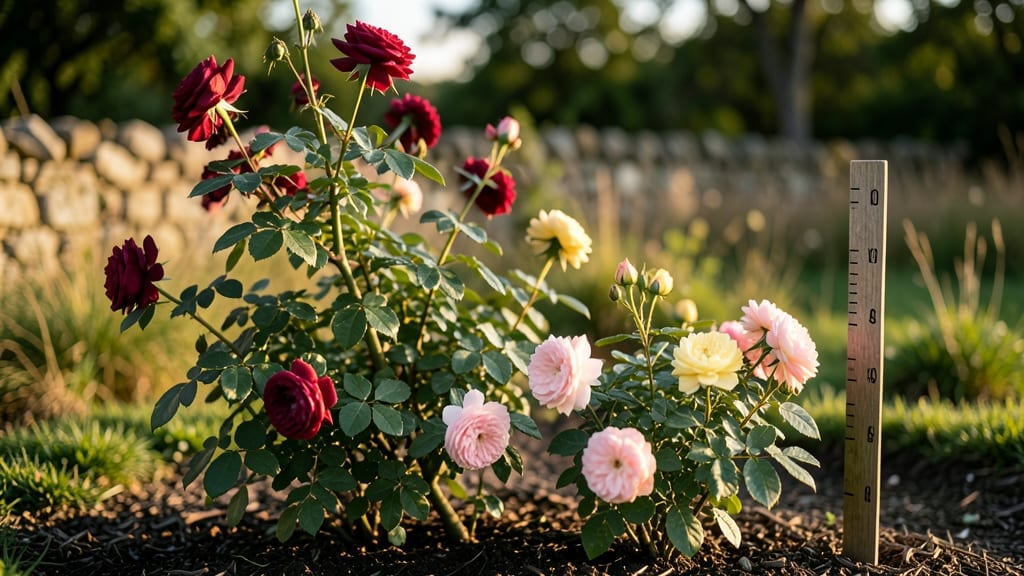
How tall can roses grow? They range anywhere from 1 foot to over 12 feet, depending on the variety and growing conditions—and knowing the range is the first step to planning your garden layout.
Did you know some roses tower over 10 feet tall while others stay neatly under 2 feet? Understanding rose height isn't just about aesthetics—it determines your garden layout, pruning needs, and even the type of trellis you'll require.
Miniature roses stay compact, perfect for containers or small spaces, while climbing varieties need sturdy supports to reach their full 10- to 12-foot potential. Shrub roses typically land between 3 and 5 feet, making them ideal for hedges or borders.
In this guide, I’ll break down the height ranges by variety, share pruning tips to control growth, and help you decide whether a towering climber or a compact shrub is the best fit for your space.

Rose height by variety: from miniature to climbing giants
When planning your rose garden, knowing how tall can roses grow helps you choose the perfect varieties for your space. Some roses stay compact enough for containers, while others need room to climb a 10-foot trellis.
The height of a rose depends on its category, genetics, and growing conditions. Let me break down the key varieties and what to expect from each.
Miniature roses are the smallest, perfect for container gardens or window boxes. They typically reach 12 to 24 inches tall, making them ideal for balconies or small patios.
Floribundas, on the other hand, grow slightly taller, usually between 2 to 4 feet, with lush clusters of blooms. These are great for borders or mixed flower beds.
| Variety | Height Range | Growth Pattern | Best For |
|---|---|---|---|
| Miniature | 12–24" | Compact, bushy | Containers, window boxes |
| Floribunda | 2–4 ft | Bushy, multi-bloom | Borders, mixed beds |
| Hybrid Tea | 3–5 ft | Tall, single blooms | Cut flowers, focal points |
| Climbing | 6–20+ ft | Long canes, vertical | Trellises, fences, arbors |
| Shrub | 3–6 ft | Bushy, multi-stemmed | Hedges, mass planting |
Hybrid tea roses are classic cut flowers, often reaching 3 to 5 feet tall. They produce large, single blooms on long stems, making them a favorite for bouquets.
If you're dreaming of a romantic garden, consider climbing roses, which can soar up to 20 feet or more when given proper support. Varieties like 'New Dawn' or 'Blaze' are perfect for covering arbors or fences.
Shrub roses are versatile, growing anywhere from 3 to 6 feet tall and thriving in groups. They’re low-maintenance and perfect for hedges or mass plantings. For example, 'Knock Out' roses stay around 3 feet tall but produce non-stop blooms, making them a gardener’s dream for easy care.
Environmental factors like sunlight exposure, soil quality, and watering habits can influence how tall a rose grows. Roses need at least 6 hours of sunlight daily to reach their full potential.
Poor soil or inconsistent watering can stunt growth, while rich, well-draining soil and regular deep watering encourage healthy, vigorous plants.
Pruning also plays a role in managing height. Climbing roses require minimal pruning to encourage upward growth, while hybrid teas benefit from regular pruning to maintain shape and promote blooms. Always prune in early spring before new growth begins to avoid damaging delicate canes.
If you're working with limited space, consider dwarf varieties like 'Fairy' or 'Thumbelina', which stay under 2 feet tall. These are perfect for small gardens or containers and still produce stunning blooms.
On the other hand, if you have a large fence or trellis, a climbing rose like 'Zephirine Drouhin' can create a breathtaking vertical display.
Remember, the height of your roses isn’t set in stone. With the right care, even a miniature rose can thrive in a container, while a climbing rose can be pruned back to keep it manageable.
Experiment with different varieties to find what works best for your garden and enjoy the beauty of roses at every height!
How to control rose height: pruning techniques for different varieties
Pruning is the secret to shaping your roses' height and ensuring they thrive in your garden. Whether you want a compact shrub or a towering climber, the right cuts at the right time make all the difference.
I’ve pruned everything from miniature roses to climbing varieties, and I’ll share my proven techniques to control height while keeping your roses healthy and blooming.
Timing is everything when it comes to pruning roses. For most varieties, the best time to prune is late winter or early spring, just before new growth begins. This encourages strong, upward growth and sets the stage for the season.
However, climbing roses and shrub roses may need additional pruning in summer or fall to manage their height and shape. Let’s break down the steps to get it right.
- 1 Assess your rose variety: Identify whether your rose is a climber, shrub, or miniature. Climbers need minimal pruning to encourage height, while shrubs and miniatures benefit from more frequent cuts.
- 2 Gather the right tools: Use sharp bypass pruners for clean cuts and a sterilized saw for thicker stems. Disinfect tools with rubbing alcohol to prevent disease spread.
- 3 Make cuts at a 45-degree angle: Cut 1/4 inch above a bud or outward-facing leaf. This encourages new growth in the direction you want, whether upward or outward for a bushier look.
- 4 Remove dead or diseased wood: Cut back any blackened or weak stems to the nearest healthy bud. This improves airflow and reduces pests.
- 5 Prune for height control: For taller roses, leave longer stems to encourage vertical growth. For shorter roses, cut back more aggressively to promote bushiness.
- 6 Fertilize and water after pruning: Apply a balanced fertilizer and water deeply to help your roses recover and grow stronger.
For climbing roses, focus on pruning to encourage upward growth by removing side shoots that grow horizontally. These roses can reach 10-20 feet tall if given the right support, like a trellis or arbor.
Meanwhile, shrub roses benefit from a more open center to improve airflow and reduce disease risk. Always aim to prune about 1/3 of the plant’s height in late winter to maintain balance.
If you’re growing miniature roses, keep pruning light to maintain their compact size. These varieties typically stay under 2 feet tall and only need occasional trimming to shape them.
For hybrid teas, prune more aggressively to encourage long, straight stems with fewer side branches, which is ideal for cut flowers.
Remember, roses are resilient, and even if you make a mistake, they’ll bounce back with the right care. The key is to prune regularly, use clean tools, and adjust your approach based on your rose’s response.
With practice, you’ll master the art of controlling height and shaping your roses to fit your garden perfectly. 🌹