
Plants
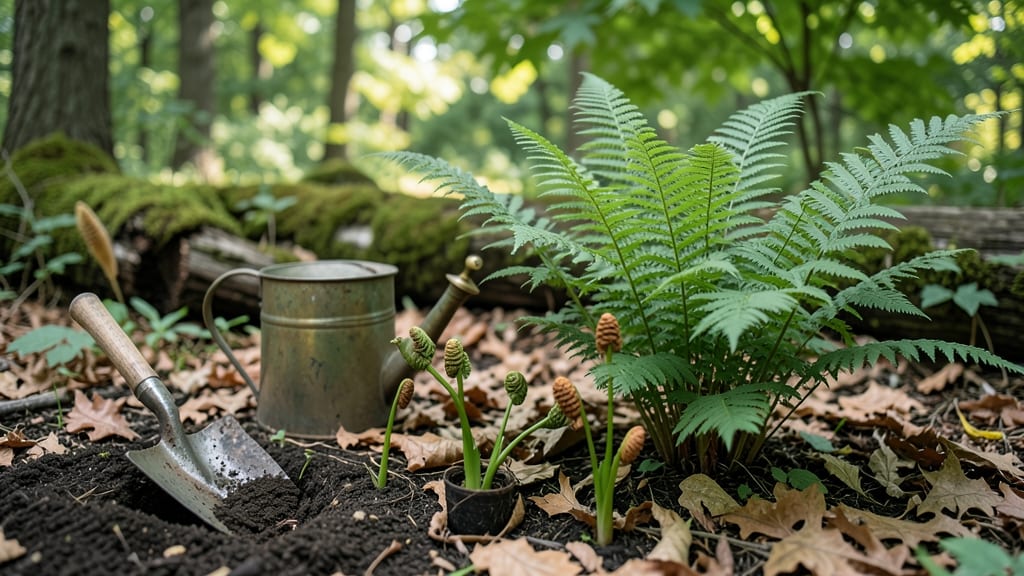
To plant ferns in Michigan, aim for early spring after the last frost date—typically mid-April—when soil temperatures hit 50°F or warmer. Michigan’s short growing season means timing is everything, and ferns 🌿 won’t tolerate late frosts.
Michigan’s unpredictable spring weather can make or break your fern garden—planting at the wrong time means wilted fronds and disappointed dreams. But timing it right transforms your shady spots into lush, thriving green havens.
Ferns thrive in Michigan’s 5b-6b zones, where spring planting (April–May) gives them 3-4 months of ideal conditions before fall’s first frost. Early fall (September) is also a smart move, letting roots establish before winter.
Below, I’ll break down the best months by region, soil prep tips for Michigan’s clay-heavy soil, and how to keep your ferns lush through summer’s humidity. No more guesswork—just thriving green all season.
Best months to plant ferns in Michigan’s climate zones
Michigan’s climate zones 5b, 6a, and 6b create unique challenges for fern lovers. Unlike sun-loving plants, ferns thrive in shade and moisture, but timing your planting is critical to avoid late spring frosts or summer heat stress.
Whether you’re planting native ostrich ferns, delicate maidenhair varieties, or hardy Christmas ferns, knowing the perfect window ensures your ferns take root and flourish.
Most gardeners focus on spring planting because it aligns with Michigan’s natural growing season. However, fall planting can also work if done correctly—just avoid the first frost date, which typically arrives between mid-October and early November in most regions.
Let’s break down the best months for each of Michigan’s hardiness zones to help you choose the ideal time for your fern garden.
Comparison Table: Best Planting Months for Ferns in Michigan
| Zone | Spring Planting Window | Fall Planting Window | Key Considerations |
|---|---|---|---|
| Zone 5b | Late April to mid-May | Late August to early September | Avoid planting before last frost (April 15). Fall planting must be done 6 weeks before first frost. |
| Zone 6a | Mid-April to early May | Late August to mid-September | Soil should reach 50°F+ for spring planting. Fall planting benefits from warmer soil. |
| Zone 6b | Early April to late April | September (early to mid) | Earlier planting possible due to longer frost-free season. Monitor soil moisture in fall. |
For Zone 5b gardeners, late April to mid-May is your sweet spot for spring planting. This window ensures the soil has warmed enough to support root growth while minimizing the risk of late frosts.
If you prefer fall planting, aim for late August to early September—this gives your ferns time to establish roots before winter dormancy. Christmas ferns, in particular, benefit from fall planting because they’re more cold-hardy and can handle Michigan’s early frosts better than other varieties.
Gardeners in Zone 6a have a slightly longer window, from mid-April to early May. The key here is soil temperature—wait until the ground reaches at least 50°F to prevent root rot.
Fall planting in Zone 6a works well from late August to mid-September, as the soil remains warm enough to support new growth. Maidenhair ferns, which are more delicate, thrive best when planted in spring to avoid stress from late-season heat or early cold snaps.
If you’re in Zone 6b, you can start planting as early as late March, but I recommend waiting until early April to be safe. The extended growing season in Zone 6b means you can also plant ferns in early September, giving them time to establish before the first frost.
This zone is ideal for ostrich ferns, which are more adaptable to Michigan’s climate fluctuations and can handle both early and late-season planting.
One common mistake is planting ferns too early in spring, when the soil is still cold and saturated from snowmelt. Cold, wet soil can suffocate roots and lead to fungal issues.
To avoid this, perform a simple soil temperature test: press your finger into the soil—if it feels cold and damp, wait a few more weeks. For fall planting, ensure the soil remains workable and not waterlogged, as ferns need consistent moisture but can’t thrive in soggy conditions.
Another pro tip: mulch heavily after planting, whether in spring or fall. A 2-3 inch layer of organic mulch (like shredded leaves or pine needles) helps retain moisture and regulate soil temperature. This is especially important in Michigan’s humid summers, where mulch prevents soil from drying out too quickly.
For container-grown ferns, use a well-draining potting mix and place pots in a location with partial shade to mimic their natural forest-floor habitat.
Remember, Michigan’s microclimates can vary significantly even within a single zone. If you’re near a large body of water or in a low-lying area, you may experience later frosts or cooler temperatures.
Always check your local last frost date and adjust your planting timeline accordingly. With the right timing, your ferns will reward you with lush, vibrant foliage all season long.
🌿
Signs your Michigan soil is ready for fern planting
Ferns need moist, well-draining soil with a pH between 5.0 and 6.5. In Michigan, this often means amending native clay or sandy soils. Start by checking soil moisture—stick your finger 2 inches deep. If it feels damp but not soggy, your soil is ready.
Use a soil thermometer to confirm temperatures are above 50°F. Cold soil delays root growth, and Michigan’s spring can be deceptive. Test in the morning for the most accurate reading, especially in shaded areas where ferns thrive.
For clay-heavy soils, mix in 2-3 inches of compost or aged manure to improve drainage. Sandy soils? Add peat moss or coconut coir to retain moisture. These amendments mimic Michigan’s natural humus-rich forests where ferns flourish.
🌿Key-takeaway
🌱 Ready-to-Plant Soil Checklist
🌿 Plant when all 4 conditions are met!
Before planting, conduct a DIY pH test using vinegar and baking soda. Sprinkle vinegar on soil—if it fizzes, your pH is too alkaline. Add sulfur to lower it. For acidic soils, mix in pine needles or coffee grounds to naturally adjust pH over time.
Loosen the soil to a depth of 12 inches with a garden fork, breaking up compaction. This mimics Michigan’s natural forest floors where fern roots spread easily. Add a 2-inch layer of mulch (like shredded bark) to lock in moisture and suppress weeds.
Watch for earthworms in your soil—they’re a great sign! Their presence means your soil is aerated and rich in organic matter, perfect for fern roots. If you see none, add more compost or leaf mold to encourage their activity.
Once your soil passes these tests, your ferns will establish quickly. Michigan’s humid summers mean consistent moisture, so prep now to avoid stressed plants later. With the right soil, your ferns will reward you with vibrant fronds all season long!