
Plants
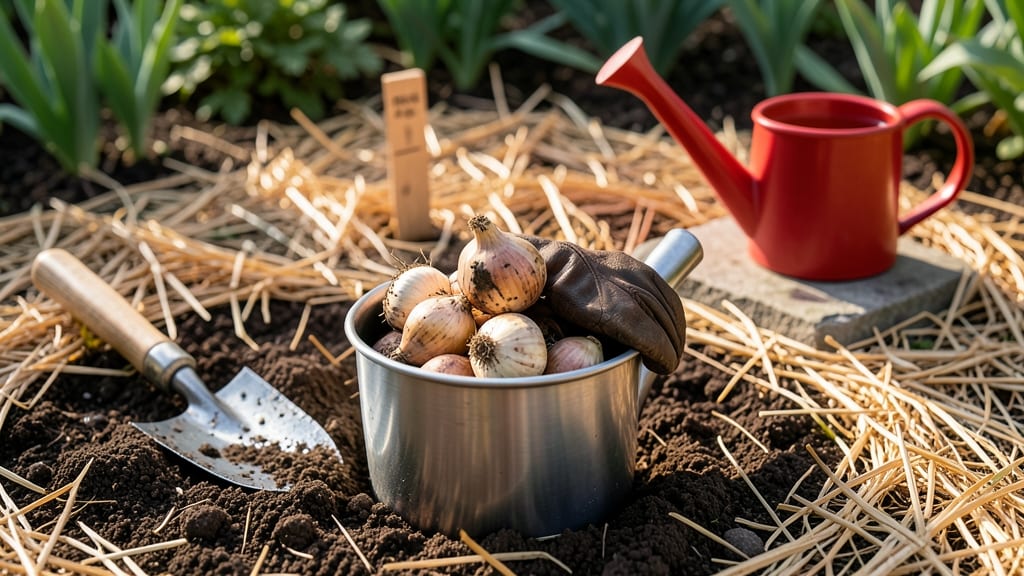
Planting bulbs in Zone 7b at the right time ensures they get the 1,000–1,500 chill hours they need to bloom beautifully next spring.
Timing your bulb planting in Zone 7b can mean the difference between vibrant spring blooms and a missed opportunity—because chill hours matter more than you think. One week too early or late, and your 🌷 might not wake up in time.
Fall is the prime window for most bulbs, but not all. Spring-bloomers like daffodils and tulips need to be in the ground by November, while hardy crocus and alliums can wait until December. Meanwhile, summer-blooming varieties like dahlias need a different approach entirely.
Below, I’ll break down the exact months to plant by bulb type, how to adjust for early or late bloomers, and the simple soil prep tricks that make all the difference in Zone 7b.
Zone 7b bulb planting calendar: chill-hour requirements by flower type
In Zone 7b, where 1,000–1,500 chill hours define your growing season, timing is everything for bulbs. Plant too early, and they’ll rot before winter; too late, and they won’t get enough cold to bloom.
The key is matching each bulb’s chill-hour needs with your local frost dates—typically October 15 to November 15 for fall planting. For spring bloomers like tulips and daffodils, aim for 6–8 weeks before the ground freezes, while hardy crocus and allium can handle later dates.
Zone 7b’s mild winters mean some bulbs need a little help—like pre-chilling or mulching—to meet their chill requirements. For example, hyacinths (900–1,200 hours) thrive with early fall planting, while tulips (1,200–1,500 hours) may need a thick mulch layer to extend cold exposure.
Below, I’ve broken down the exact planting windows for your most popular bulbs, so you can plan for peak spring color without guesswork.
🌱
| Bulb Type | Chill Hours Needed | Planting Window | Bloom Time | Zone 7b Tip |
|---|---|---|---|---|
| Daffodils (Narcissus) | 900–1,200 hrs | Late September–October | Early March–April | Plant 6–8 weeks before frost; mulch with straw for extra cold. |
| Tulips (Tulipa) | 1,200–1,500 hrs | October–November | April–May | Use paper mulch to prevent squirrel digging; plant deeper (8") for wind resistance. |
| Hyacinths (Hyacinthus) | 900–1,200 hrs | September–October | Late March–April | Plant in full sun; avoid wet soil to prevent rot. |
| Crocus (Crocus) | 600–900 hrs | October–November | Early February–March | Perfect for early blooms; plant shallow (3") in lawns. |
| Allium (Allium) | 1,000–1,500 hrs | October–November | Late April–May | Drought-tolerant; plant in well-draining soil for bold spheres. |
For Zone 7b gardeners, the earliest bloomers—like crocus and snowdrops—can go in as late as mid-November, while late tulips (like ‘Darwin Hybrids’) need early October planting to meet their 1,500-hour requirement.
Pro tip: If your winter is warmer than average, consider pre-chilling bulbs in your fridge for 6–8 weeks before planting to mimic cold exposure.
Spring-planted bulbs like caladiums or canna lilies (non-hardy) go in after the last frost—typically mid-April in Zone 7b—but these don’t rely on chill hours. Focus on fall planting for reliable spring color, and always amend soil with compost to improve drainage, which is critical for bulb longevity.
One common mistake in Zone 7b? Planting tulips too late and ending up with smaller blooms the next year. To avoid this, mark your first frost date (usually November 15) and count backward 6–8 weeks for most bulbs.
For daffodils, which are more forgiving, you’ve got a 2-week grace period—plant them up to mid-November without sacrificing blooms.
🌷
If you’re in the northern edge of Zone 7b** (closer to
How to adjust planting dates for early vs. late bloomers in Zone 7b
Want to stretch your blooming season or align your garden with special events? Adjusting bulb planting dates in Zone 7b is all about chill manipulation and microclimate tricks. By tweaking when you plant, you can coax early spring blooms or delay summer flowers for a longer display.
The key lies in understanding how soil temperature, pre-chilling, and sun exposure interact with your bulbs' natural rhythms.
For early bloomers, focus on pre-chilling bulbs in the fridge (40–50°F) for 6–12 weeks before planting. This mimics winter conditions and tricks bulbs into thinking they’ve already experienced enough cold.
For late bloomers, plant later in the season or choose varieties with lower chill-hour requirements (like tulips or daffodils with 500–1,000 chill hours).
🌱 5 Pro Tips to Adjust Bloom Times in Zone 7b
- 1. Pre-Chill for Early Blooms: Store bulbs in a refrigerator (40–50°F) for 6–12 weeks before planting in October for March blooms.
- 2. Plant Later for Delayed Blooms: Shift fall planting to late November to delay blooms by 2–4 weeks.
- 3. Use Black Plastic Mulch: Warms soil 5–10°F faster in spring, speeding up growth for earlier blooms.
- 4. Choose Low-Chill Varieties: Opt for tulips or daffodils needing 500–1,000 chill hours for late-season planting.
- 5. Microclimate Matters: Plant in south-facing beds or near walls to trap heat for delayed blooms.
Soil temperature plays a huge role—most bulbs need 40–50°F soil to sprout. Use a soil thermometer to monitor conditions. If your ground is too warm in early fall, wait until temperatures drop below 60°F before planting for reliable germination.
For late bloomers, plant in well-draining, slightly warmer soil to slow early growth and extend the bloom window.
Don’t overlook microclimates in your garden. A south-facing slope or paved surface nearby can create a warmer pocket, perfect for delaying blooms. Conversely, shady spots or northern exposures cool the soil faster, ideal for early bloomers.
Test different areas by planting a few bulbs in each spot and track which ones bloom first or last.
For container gardening, adjust timing by 2–4 weeks—potted bulbs warm up faster. Plant fall bulbs in containers by mid-October for early spring color, or delay until late November for a later show.
Use black pots to absorb heat and speed up growth, or white pots to reflect heat and slow it down.
Pro tip: Keep a garden journal to track bloom dates and adjust next year’s planting schedule. Note which bulbs thrive in your microclimates and which need extra chill time.
With a little experimentation, you’ll master the art of timing bulbs to create a continuous bloom season from early spring to late summer.