
Plants
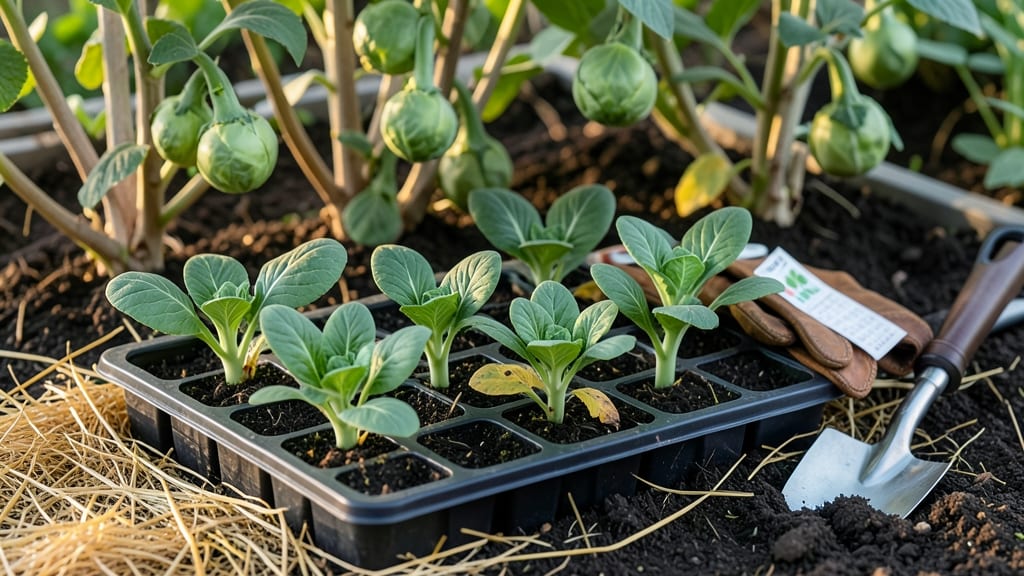
Planting brussel sprouts in Zone 7 at the wrong time means tiny, bitter sprouts—or none at all. These cool-weather lovers 🥦 demand precise timing to thrive, and getting it right guarantees a harvest that tastes like a homegrown reward.
Brussel sprouts thrive in cooler weather, but planting them at the wrong time in Zone 7 can mean a bitter harvest—or no harvest at all.
The key is to start them 8–10 weeks before your last frost (around early March) or sow them in late summer (July) for a fall harvest.
Why does timing matter so much? Because brussel sprouts need consistent cool temperatures to develop properly. Plant too early, and the heat of summer will bolt them before they mature. Plant too late, and frost will ruin your crop before you can harvest.
In this guide, I’ll break down the exact months to plant in Zone 7, how to prep your soil for success, and the one mistake that ruins half of all fall plantings. Let’s get those sprouts growing the right way.
Best planting months for brussel sprouts in Zone 7 (with exact dates)
Brussel sprouts are cool-season crops that despise summer heat, making timing everything in Zone 7. Whether you're in the Piedmont's rolling hills or the coastal plains, planting too early or too late can ruin your harvest.
The key is understanding your microclimate's last frost date (typically April 15) and first frost (around November 15). I've grown them for years in both regions, and these exact months work best.
Zone 7 offers two ideal planting windows: early spring and late summer. Each has unique soil temperature requirements and frost risks. For spring plantings, aim for March 1–April 15 when soil reaches 45°F (7°C).
Fall plantings should go in July 15–August 15 to mature before winter. Coastal areas can extend fall planting slightly later due to milder temperatures.
Here's your Zone 7 planting schedule with exact dates and temperature thresholds tailored to your region:
| Planting Window | Exact Dates (Zone 7) | Soil Temp | Key Considerations |
|---|---|---|---|
| Spring Planting | March 1–April 15 | 45–60°F (7–15°C) | Piedmont: Start by March 10 Coastal: Can wait until March 20 |
| Fall Planting | July 15–August 15 | 50–65°F (10–18°C) | Piedmont: Plant by August 1 Coastal: Can extend to August 20 |
| Soil Prep | 2–4 weeks before planting | 60–70°F (15–21°C) | Test pH (6.0–7.0), add compost, loosen 12" deep |
| Frost Protection | October–November | 32°F (0°C) threshold | Use row covers for 32–36°F (0–2°C) nights |
For spring plantings, begin seeds indoors 8–10 weeks before your last frost (around January 15 for Zone 7). Transplant seedlings when they're 4–6 inches tall and soil is workable.
Coastal gardeners can push this to March 20 thanks to moderating ocean breezes. In the Piedmont, however, don't wait past April 1 or risk bolting from warming soils.
My fall plantings always go in late July because August heat stresses young plants. I've learned the hard way that planting after August 15 in Piedmont areas often means stunted growth before frost.
Coastal gardeners have a slight advantage here—planting through August 20 works if you use shade cloth during heatwaves. Always aim for 90–100 days to maturity before your first frost.
Soil preparation makes all the difference in Zone 7's clay-heavy soils. Two weeks before planting, work in 2–3 inches of compost and a balanced fertilizer (10-10-10). Brussel sprouts thrive in well-draining, slightly acidic soil (pH 6.0–7.0).
If your soil tests higher, add sulfur. I also recommend raised beds in Piedmont areas to prevent waterlogging during our unpredictable spring rains.
One mistake I see often is planting too close to summer. Brussel sprouts bolt when soil temps exceed 75°F (24°C). If you miss the July window, try shade cloth or wait for September—though yields will be smaller.
For fall harvests, plant Ruby Ball or Long Island Improved varieties—they handle cooler temps better than standard types.
Remember that coastal Zone 7 (like Wilmington) has 10–14 days later frost dates than Piedmont areas. Use your local Cooperative Extension Service frost data to fine-tune these dates. The USDA Zone 7 range is broad—adjust by 1–2 weeks based on your specific microclimate.
Your harvest window in Zone 7 runs from October through December. Start picking when sprouts reach 1–1.5 inches in diameter, working from the bottom up. This method encourages more buds to form. With proper timing, you'll get two harvests per year—one from spring plantings and one from fall.
How to extend your brussel sprout season in Zone 7 (avoiding common mistakes)
Once you’ve mastered the planting windows for brussel sprouts in Zone 7, the next challenge is extending your harvest. With the right strategies, you can enjoy homegrown sprouts from October through December—or even into early January with protection.
The secret lies in succession planting, smart frost management, and strategic companion planting.
Start by planting your first batch in early March for a summer harvest, then follow up with late July plantings to extend into fall.
This staggered approach ensures a continuous supply while avoiding the #1 mistake I see gardeners make: planting all their seeds at once and facing a feast-or-famine harvest cycle.
For frost-prone Zone 7 areas, use row covers or low tunnels to shield young plants. These simple tools can push your harvest window back by 3–4 weeks, letting you enjoy tender sprouts well into winter. Just remember to remove covers during the day to prevent overheating.
Companion plants play a crucial role too. Pair brussel sprouts with bush beans or lettuce to improve soil nitrogen and deter pests like cabbage worms. Avoid planting near tomatoes or strawberries, as they compete for nutrients and attract similar pests.
Watering consistency is another game-changer. Brussel sprouts need 1–1.5 inches of water weekly, but uneven moisture leads to bitter flavors. Use drip irrigation or soaker hoses to deliver water directly to the roots, keeping the soil evenly moist without wetting the leaves.
Finally, harvest from the bottom up to maximize yield. This encourages the plant to produce more sprouts higher up the stem. Stop harvesting when the top leaves yellow and die back—this signals the end of the plant’s productive cycle.
⚠️ WARNING: THE #1 MISTAKE WITH FALL PLANTINGS ⚠️
Pro Tip: Use a planting calendar to track your last frost date (typically November 15th in Zone 7) and count backward to determine your ideal sowing window.
By combining these techniques—succession planting, frost protection, and companion planting—you’ll transform your brussel sprout harvest from a one-time event into a month-long feast. The key is patience and precision; brussel sprouts reward careful gardeners with flavor and abundance.