
Trees
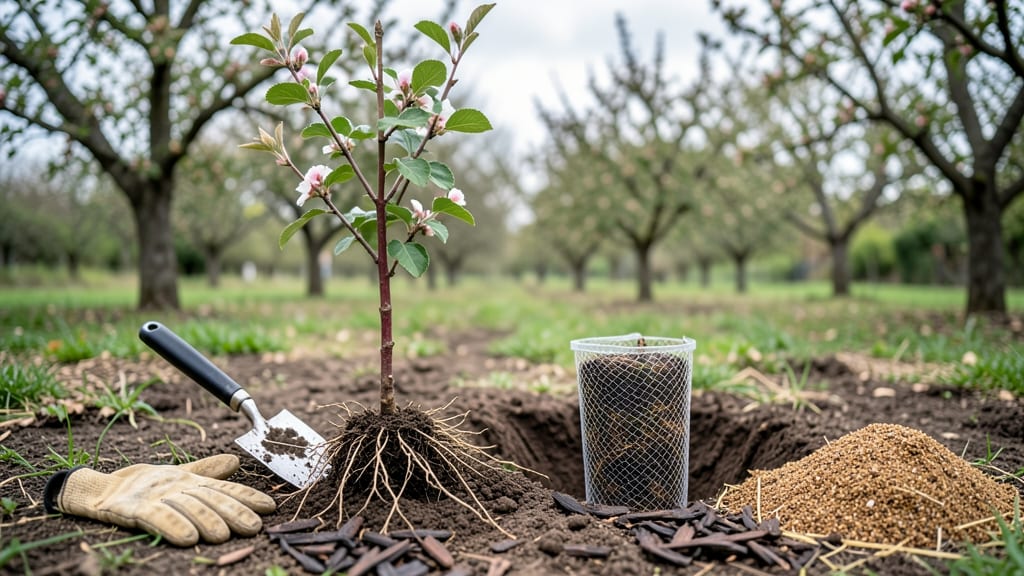
Planting apple trees in England during late autumn to early spring ensures they establish strong roots before the growing season 🍎 — the key to thriving orchards for years to come.
Timing is everything when planting apple trees in England—get it wrong, and your orchard could take years to bear fruit. But with the right regional knowledge, you can ensure strong root establishment and bountiful harvests.
From the milder climate of London (~8a) to the cooler zones of Northern England (~7a), the best months to plant vary. Whether you’re choosing bare-root trees in winter or container-grown varieties in early spring, understanding your local frost risk and soil conditions makes all the difference.
Below, I break down the ideal planting windows by region, soil prep tips, and post-planting care to help you get it right the first time. Ready to grow your own apples?
Best planting months for apple trees in England by climate zone
Planting an apple tree in England requires careful timing to account for regional climate variations. The ideal window spans from late autumn to early spring, but exact months depend on whether you're in southern, central, or northern England.
In milder zones like Kent, you might plant as late as March, while colder areas like Yorkshire benefit from November to February planting to avoid early frosts.
Apple trees thrive when planted during their dormant season, which aligns with cooler months. This reduces stress and allows roots to establish before spring growth. However, soil temperature below 4°C (40°F) can stunt root development, so timing matters.
Southern England's warmer microclimates offer a slightly extended window, while northern regions demand earlier planting to beat frost risks.
The Royal Horticultural Society (RHS) recommends planting bare-root trees in winter (November-March) for best results. Container-grown trees can be planted slightly later, up to April, but they require thorough watering to compensate for root disturbance.
Always check your local last frost date—London averages mid-March, while northern England can see frosts until mid-April.
In southern England, the milder climate extends your planting window, but avoid April if possible—warmer soils can stress young roots. For central England, prioritize January-February to balance frost risk and soil workability. Northern gardeners should plant before December to ensure roots establish before winter dormancy.
Soil temperature is critical: roots need 5-10°C (41-50°F) to grow actively. Use a soil thermometer to check—if it's colder, wait or insulate the planting hole with compost or straw. In waterlogged soils, raise the tree on a mound or improve drainage with gravel and sand mixes.
Frost risk varies dramatically: London averages 15 frost days/year, while Yorkshire sees 40+. Planting too late in northern regions can leave trees vulnerable to late-season frosts that damage blossoms. Use frost cloth for extra protection if planting in March in colder zones.
Container-grown apple trees offer flexibility but require extra watering during their first year. If planting in spring (April-May), choose containerized trees and keep the root ball moist until roots establish. Bare-root trees planted in winter establish faster due to cooler temperatures reducing transplant shock.
After planting, mulch with well-rotted compost to retain moisture and regulate soil temperature. In southern England, mulch with straw to prevent soil overheating, while northern regions benefit from pine needles for insulation. Avoid piling mulch against the trunk to prevent rot.
Monitor your tree's progress: new growth in spring indicates successful root establishment. If leaves appear yellow or stunted, it may signal nutrient deficiency or poor drainage. Adjust care based on your region—southern trees may need more frequent watering, while northern varieties often handle drought better once established.
Remember, the earlier you plant, the better—apple trees reward patience with decades of harvests. Whether you're in sunny Kent or cool Yorkshire, aligning with your local climate zone ensures your orchard thrives from day one. 🌱🍎
Regional planting calendar: southern vs northern England differences
England's climate varies dramatically between regions, and this directly impacts when you should plant your apple trees. In southern England (like Kent or Sussex), milder winters and later frosts create a longer planting window—often extending into early spring.
Meanwhile, northern England (such as Yorkshire or Lancashire) demands earlier planting to avoid early spring frosts that can damage tender new growth.
The key difference lies in last frost dates: London typically sees its final frost around mid-March, while northern regions like Leeds may not be frost-free until late April.
This shift means gardeners in the north should plant bare-root trees in late autumn (November-December) or very early spring, while southern gardeners have flexibility until March or even early April.
Southern England (Kent/Sussex)
- ✅ Longer planting window: November to early April
- ✅ Milder winters: Less frost risk in early spring
- ✅ Later last frost: Mid-March average
- ✅ Warmer soil: Faster root establishment in spring
Northern England (Yorkshire/Lancashire)
- ⚠️ Shorter window: November to early March
- ⚠️ Harsher winters: Higher frost risk in spring
- ⚠️ Later last frost: Late April average
- ⚠️ Cooler soil: Slower root growth in early spring
For container-grown apple trees, southern gardeners can plant as late as April, while northern gardeners should stick to autumn planting (November) for best results. The root collar must sit just above soil level—whether you're in Kent or Yorkshire—to prevent rot or exposure.
Another critical factor is soil temperature. Southern soils warm up faster in spring, allowing roots to establish 2-3 weeks earlier than in northern regions. Use a soil thermometer to confirm temperatures exceed 10°C (50°F) before planting in cooler areas.
Local microclimates also play a role: sheltered valleys in Yorkshire may mirror Kent's conditions, while exposed coastal spots in Sussex could face northern-like delays. Always check 30-year frost records for your specific postcode using the Met Office website before finalizing your planting date.
Remember: Dwarf varieties establish faster and can tolerate slightly later planting than standard trees. If you're unsure about your region's exact conditions, late November offers a safe middle ground for most of England—just be prepared to mulch heavily to protect roots during winter.