
Companion Plants
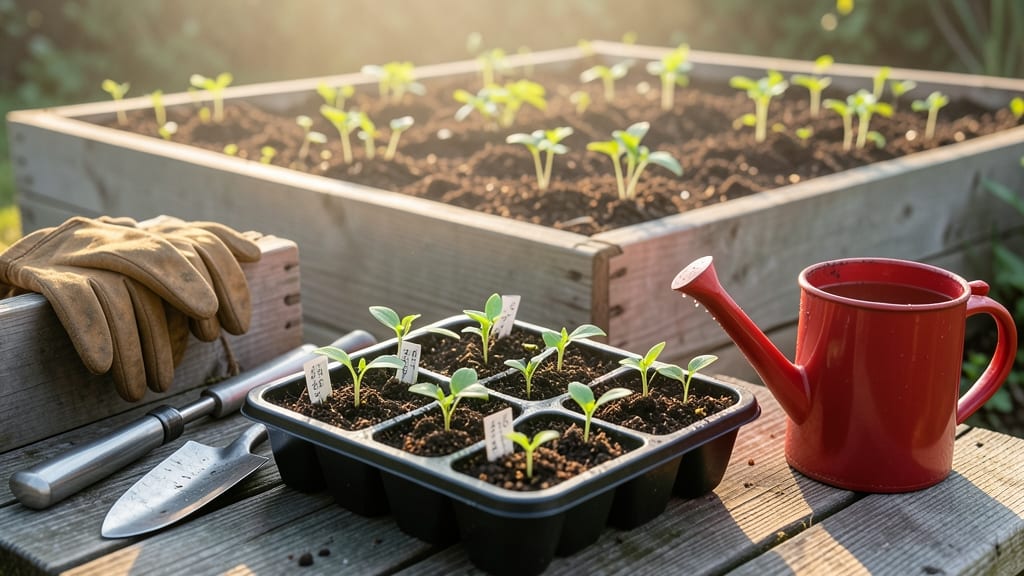
Planting a garden in New Brunswick means timing your seeds and transplants to the 165 frost-free days between mid-May and mid-October — a window that rewards patience with a bountiful harvest.
Timing is everything in gardening—plant too early, and frost will ruin your efforts; too late, and your harvest suffers.
In New Brunswick’s unique climate (USDA Zones 3b to 5a), knowing the exact planting windows for vegetables, flowers, and perennials can mean the difference between a thriving garden and a disappointing one.
Cool summers and short growing seasons demand a strategic approach: hardy crops like kale and peas can go in the ground as early as late March, while heat-lovers like tomatoes and peppers need to wait until after the last frost in mid-May.
Regional varieties, such as early-maturing potatoes and cold-tolerant lettuces, thrive here when planted at the right moment.
Below, I break down the ideal planting schedule by zone, soil temperature tips, and how to stretch your season with succession planting—so you can grow more, waste less, and enjoy fresh produce straight from your New Brunswick garden.
New Brunswick planting calendar by USDA Zone: exact months for vegetables, flowers, and perennials
New Brunswick’s USDA Zones 3b to 5a create a unique growing season where timing is critical. The last spring frost typically arrives between May 10-20, while the first fall frost hits September 20-October 10, depending on location.
Fredericton (Zone 5a) enjoys slightly longer seasons than Saint John (Zone 4b) or Moncton (Zone 5a), but all share similar soil temperature thresholds for planting.
For cool-season crops like kale, spinach, and peas, start seeds indoors in March or direct-sow as early as late April. These hardy plants tolerate light frosts and can even overwinter with mulch protection.
Meanwhile, warm-season staples such as tomatoes, peppers, and beans need to wait until after May 15, when soil temperatures reach at least 55°F (13°C).
Perennials like lavender and asparagus benefit from early planting—asparagus crowns should go in by late April, while lavender thrives when planted in spring or early fall to establish roots before winter.
Below is a zone-specific planting guide tailored to New Brunswick’s climate, including frost dates and ideal soil conditions for each region.
In Zone 3b, like much of Saint John, the shorter growing season demands earlier starts for warm-season crops. I recommend using seedling trays indoors
How to adjust planting times for New Brunswick’s microclimates and soil conditions
New Brunswick’s varied landscapes—from the rocky Fundy Shore to urban heat islands in Fredericton—create microclimates that demand flexible planting strategies. Zone 3b areas like Grand Falls may have 140 frost-free days, while Zone 5a regions like Saint John enjoy 170 days.
These differences mean your neighbor’s successful tomato patch might fail in your garden if you don’t adjust timing.
Rocky soil, coastal winds, and urban heat all play roles in when and how you plant. For example, coastal gardens often experience delayed spring warming due to ocean breezes, while urban areas can trap heat, allowing earlier planting of heat-loving crops like peppers.
Below are key adjustments to maximize your garden’s potential in these challenging conditions.
- 🌡️ Wait for soil warmth: Use a soil thermometer—most vegetables need 50°F (10°C) for germination. In Zone 3b, this may mean waiting until late May for tomatoes.
- 🪴 Mulch rocky soil: Spread 3-4 inches of straw to retain moisture and suppress weeds. This extends planting windows by 2-3 weeks in dry areas.
- 🌬️ Protect coastal gardens: Use windbreaks (like cornstalks or evergreen hedges) to shield delicate plants. Start warm-season crops 2 weeks later than inland zones.
- ☀️ Leverage urban heat: Plant heat-lovers (peppers, eggplants) 1-2 weeks earlier in paved areas. Monitor for heat stress—provide afternoon shade if needed.
- ⏰ Succession plant: Sow fast growers (radishes, lettuce) every 2 weeks to extend harvests. In Zone 4, this can add 30-40 extra days of production.
- 🛡️ Use cold frames: Extend spring planting by 3-4 weeks for cool crops (kale, spinach). Remove frames before mid-June to avoid overheating.
- 🌱 Choose cold-hardy varieties: Opt for early-maturing or cold-tolerant plants like ‘Early Girl’ tomatoes or ‘Winter Density’ kale for shorter seasons.
For rocky soil, focus on deep-rooted plants like asparagus or carrots, which thrive in well-drained conditions. Amend the soil with compost and sand to improve drainage and fertility.
In coastal areas, prioritize wind-resistant varieties such as bush beans or kale, and consider raised beds to elevate roots away from salt spray.
Urban gardeners can take advantage of microclimates near buildings by planting warm-season crops 1-2 weeks earlier. However, be cautious of heat stressconcrete heat absorption.
To stretch your growing season, implement succession planting. For example, sow lettuce every 2 weeks from late April to early July in Zone 4.
This ensures a continuous harvest and maximizes your garden’s productivity. Pair this with cold frames or row covers to protect early plantings from late frosts.
By tailoring your planting schedule to New Brunswick’s unique conditions, you’ll turn challenges like rocky soil or coastal winds into opportunities for a more productive and resilient garden. Start with small adjustments, and soon you’ll be harvesting homegrown produce weeks longer than your neighbors! 🌱