
Trees
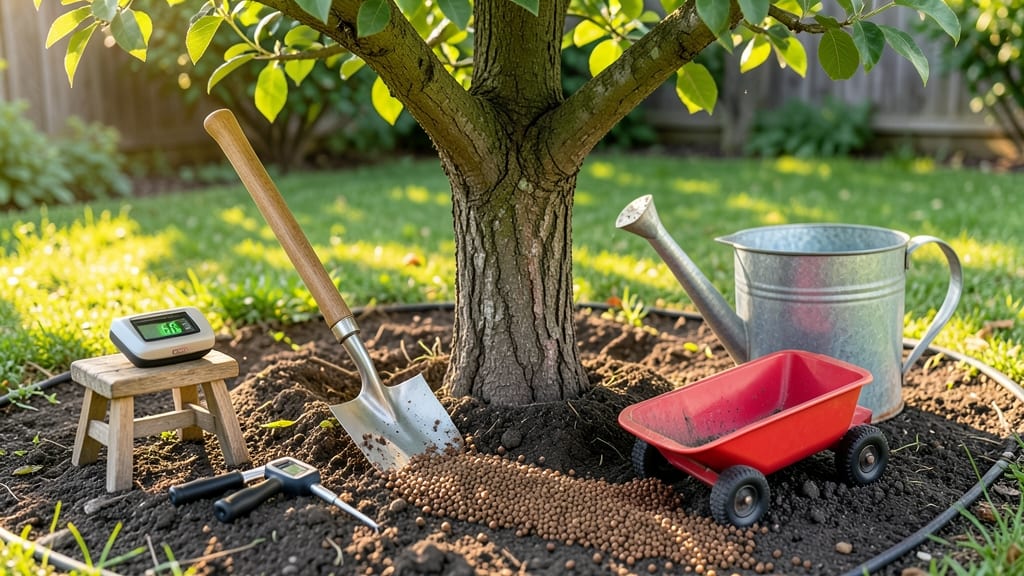
Fertilizing nectarine trees at the right time is the secret to juicy, abundant fruit—and skipping it or doing it too late can leave you with bitter, undersized 🍑 or stressed trees.
Picture this: You’ve waited all year for those sweet nectarines, only to harvest a few small, bland fruits. The issue? Most gardeners fertilize at the wrong moment—either too early (when the tree is still dormant) or too late (after the fruit has already set).
Timing isn’t just about throwing down fertilizer; it’s about syncing it with the tree’s natural growth cycle, from early spring blooms to post-harvest recovery.
In this guide, I’ll walk you through the exact schedule for fertilizing your nectarine tree in USDA Zone 6, including when to feed before blooms, how to support fruit development, and why a late-summer boost keeps next year’s crop thriving. Spoiler: The best time isn’t when you think.
You’ll also learn how to spot nutrient deficiencies, whether organic or synthetic fertilizers work better for your tree, and the three mistakes that kill trees faster than drought. Let’s get your nectarine tree growing like a champ—starting with the right timing.
Optimal fertilization schedule for nectarine trees by season (spring focus)
Spring is the most critical time to fertilize your nectarine tree, as it fuels new growth and prepares the tree for fruit production. Timing matters—apply fertilizer too early, and you risk delayed bloom; too late, and your tree may struggle during fruit set.
The key is understanding soil temperature and growth stages to avoid stressing your tree.
For most USDA Zone 6 growers, early spring fertilization should happen 4-6 weeks before bloom, typically in late March to early April. This gives roots time to absorb nutrients before bud break.
Late spring fertilization, around fruit set (mid-May), provides a second nutrient boost to support fruit development.
Soil temperature is non-negotiable—wait until soil reaches 50°F (10°C) before fertilizing. Cold soil locks out roots, preventing nutrient uptake. Use a soil thermometer to check depth (4-6 inches). If your soil is still chilly, hold off until conditions improve.
Young trees (under 3 years old) need gentler feeding—use half the recommended dose of a balanced fertilizer (10-10-10). Mature trees, however, can handle full strength but require more frequent applications. Over-fertilizing young trees risks burning roots or encouraging weak, disease-prone growth.
| Stage | Soil Temp | Fertilizer Type | Amount (Young/Mature) | Timing Notes |
|---|---|---|---|---|
| Pre-Bloom | 50°F+ (10°C) | 10-10-10 (Balanced) | ½ cup / 1 cup | 4-6 weeks before bloom |
| Fruit Set | 55°F+ (13°C) | 10-10-10 or Organic | ½ cup / 1 cup | After petal fall |
| Young Trees (<3 yrs) | 50°F+ (10°C) | ½-strength 10-10-10 | ¼ cup | Every 8 weeks |
| Mature Trees | 50°F+ (10°C) | 10-10-10 or Slow-Release | 1 cup | Every 6 weeks |
Organic options like composted manure or fish emulsion are excellent for young trees, as they improve soil structure while providing nutrients. For mature trees, slow-release fertilizers reduce the risk of nutrient burn and provide steady nourishment. Always water deeply after fertilizing to help nutrients penetrate the soil.
Watch for leaf color changes—dark green leaves indicate healthy growth, while yellowing suggests nitrogen deficiency or overwatering. Brown leaf edges may signal chlorosis (iron deficiency), common in alkaline soils. Adjust your fertilizer blend accordingly, or apply chelated iron if needed.
Late spring fertilization should happen after petal fall (when fruit is pea-sized). This timing supports fruit expansion without encouraging late-season growth that could damage the tree before winter. Use a light application of fertilizer to avoid overstimulating the tree as summer heat arrives.
If your nectarine tree is container-grown, reduce fertilizer amounts by 25-30% since roots are confined. Container trees also dry out faster, so monitor soil moisture closely. In cooler climates (Zone 5 or below), delay fertilization until after the last frost to prevent winter damage.
Pro tip: Mix fertilizer with compost for a nutrient-dense boost. Spread a 2-3 inch layer of compost around the drip line (not the trunk) and water thoroughly. This mimics natural nutrient cycles while improving soil microbial activity—critical for root health.
By following this seasonal schedule, you’ll ensure your nectarine tree enters summer with the energy it needs for abundant, high-quality fruit. Consistency is key—skip a year, and you’ll see reduced yields or smaller fruit. 🍑
Post-harvest fertilization: how to replenish nutrients after fruit production
After your nectarine tree 🍑 has given you a bountiful harvest, its roots are often depleted of essential nutrients like nitrogen, phosphorus, and potassium. Skipping post-harvest fertilization can lead to weakened branches, smaller next-year fruit, or even pest susceptibility.
The key is timing: fertilize too early, and you risk late-season growth that won’t harden before winter. Too late, and the tree struggles to recover before dormancy.
In late summer—typically August through early September—is your window to replenish nutrients without stimulating tender new growth. This timing aligns with the tree’s natural slowdown before winter, giving it just enough energy to store reserves for spring blooms.
For USDA Zone 6, aim to fertilize 4-6 weeks after harvest, when soil temperatures stay above 60°F.
⚠️ Callout-Warning: When to Fertilize Nectarine Trees After Harvest
- After mid-September: New growth won’t harden before frost, risking winter damage.
- When soil is waterlogged: Roots can’t absorb nutrients, leading to fertilizer burn.
- If leaves show fungal spots: Fertilizer stress worsens diseases like powdery mildew.
Choose between organic options like composted manure or bone meal and synthetic fertilizers with a balanced NPK ratio (10-10-10). Organic choices release nutrients slowly, reducing burn risk, while synthetics provide an immediate boost.
For mature trees, use 1 cup of fertilizer spread evenly under the drip line. Water deeply afterward to activate nutrient uptake.
Watch for signs of nutrient deficiency like yellowing leaves (nitrogen deficiency), stunted growth (phosphorus), or purple stems (potassium). If you spot these, adjust your fertilizer blend or apply a foliar spray with micronutrients like zinc or iron.
Mulch with wood chips or straw to retain moisture and slowly release nutrients into the soil.
For young trees (3 years old), reduce fertilizer by half to avoid overstimulating root growth. Always avoid granular fertilizers near the trunk—apply them 6–12 inches away to prevent root damage.
Post-harvest fertilization isn’t just about next year’s fruit; it’s about building a healthier tree that resists disease and pests.
By late October, pause fertilization entirely. The tree needs time to harden off before winter, and late-season feeding can leave it vulnerable to cold damage. With the right post-harvest care, your nectarine tree will reward you with bigger, sweeter fruit for years to come. 🌱