
Flowers
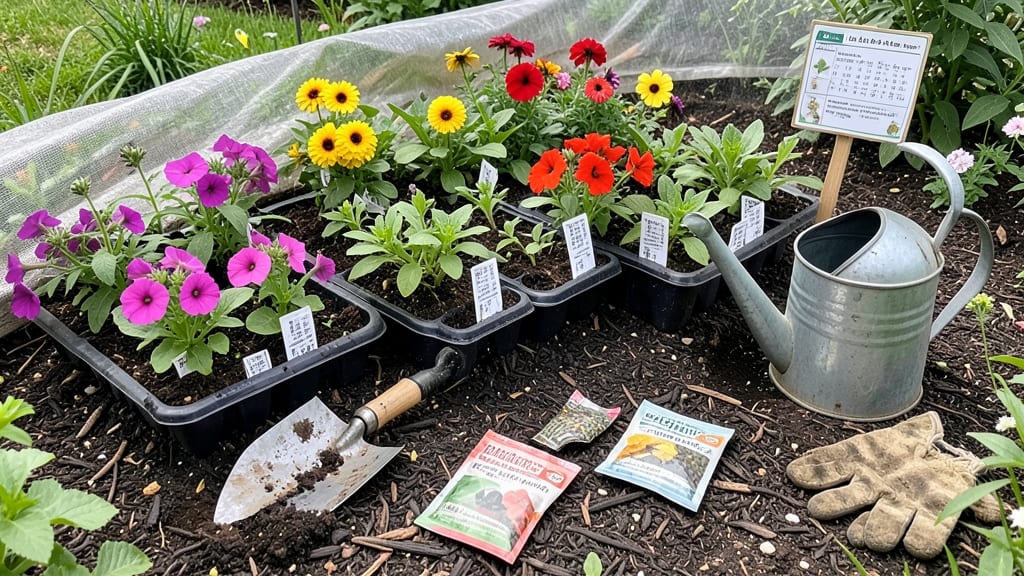
Should you plant flowers in Ohio when the soil warms up after the last frost, or risk losing them to late spring freezes?
Ohio’s diverse climate—from frost-prone winters to humid summers—means planting flowers at the wrong time can leave you with wilted dreams instead of vibrant blooms. Timing is everything, and getting it right ensures your garden thrives from spring to fall.
Whether you’re growing annuals for instant color or perennials that return year after year, knowing the right window saves money, effort, and disappointment. I’ll break down the exact months for Ohio’s USDA zones 5 and 6, plus pro tips to stretch your bloom season.
From black-eyed Susans to late-blooming asters, you’ll learn how to sync your planting with Ohio’s weather—so your garden stays ahead of the frost and heat.
Ohio planting zones: when to start flowers by USDA Zone (5-6)
Ohio spans USDA Zones 5a through 6b, creating distinct planting windows across the state. Northern Ohio (Zones 5a/5b) faces earlier frosts, while southern Ohio (Zones 6a/6b) enjoys slightly longer growing seasons. Understanding these zones helps you choose the right flowers for your region and avoid frost damage.
In Zone 5a (northern Ohio), the average last frost date is April 20-May 5, while Zone 6b (southern Ohio) typically sees its last frost by April 10-May 1.
These dates mark the safe window for planting frost-sensitive annuals and tender perennials after the soil warms to at least 50°F (10°C).
| Zone | Avg. Last Frost | Best Planting Time | Frost-Sensitive Flowers | Heat-Tolerant Flowers |
|---|---|---|---|---|
| 5a | April 20-May 5 | May 10-20 | Petunias, Marigolds, Impatiens | Black-Eyed Susans, Coneflowers, Daylilies |
| 5b | April 10-May 1 | April 25-May 10 | Geraniums, Snapdragons, Vinca | Russian Sage, Lavender, Coreopsis |
| 6a | April 1-March 31 | April 15-April 30 | Begonias, Coleus, Zinnias | Butterfly Bush, Salvia, Shasta Daisies |
| 6b | March 20-April 10 | April 1-April 15 | Caladiums, Fuchsias, Lobelia | Bee Balm, Black-Eyed Susan, Phlox |
For perennials and bulbs, timing varies. Plant hardy perennials like coneflowers or black-eyed Susans in early spring (March-April) or fall (September-October) to establish roots before winter. Bulbs like tulips and daffodils should go in the ground by October in all Ohio zones.
In Zone 5a/5b, wait until after the last frost to plant tender annuals like petunias or marigolds. Use row covers if nighttime temperatures dip below 40°F (4°C) to protect young plants. Southern Ohio’s Zone 6a/6b allows earlier planting, but always check your local frost date averages for precision.
Heat-tolerant flowers like Russian sage or lavender thrive in Ohio’s summers and can handle dry conditions. These varieties are ideal for xeric gardens or areas with poor soil drainage. Pair them with mulch to retain moisture and reduce weeds.
If you’re unsure about your exact USDA zone, use the Ohio State University Extension’s zone finder or check the average frost dates for your county. Local nurseries also provide tailored advice based on microclimates.
For container gardening, you can extend the season by moving pots indoors or to sheltered spots when temperatures drop. Choose compact varieties like dwarf petunias or vinca for smaller spaces.
Remember, succession planting is key to long-lasting blooms. After your first wave of spring flowers (like tulips or daffodils) fades, replace them with summer annuals like zinnias or cosmos for continuous color.
By aligning your planting with Ohio’s USDA zones and frost dates, you’ll enjoy a vibrant, low-maintenance garden that blooms from spring through fall. Happy planting! 🌷
Month-by-month flower planting schedule for Ohio gardens
Ohio’s spring and fall seasons offer the perfect windows for planting flowers, but timing varies by flower type and USDA zone. Whether you're sowing annuals for summer color or perennials that return year after year, knowing when to plant ensures your garden thrives.
Let’s break it down month by month to maximize blooms.
For Ohio gardeners, the key is avoiding late frosts while giving plants enough time to establish roots before winter. Native flowers like black-eyed Susans and coneflowers are hardy and adaptable, making them great choices for beginners and experts alike.
Below, we’ll cover the best times to plant for spring, summer, and fall blooms.
🌱 Ohio Flower Planting Timeline
Ohio’s northern regions (USDA Zone 5) have later last-frost dates (around May 15), while southern Ohio (Zone 6) can plant 2-3 weeks earlier. Always check your local frost dates and adjust accordingly.
For container gardening, warm-season flowers like petunias can be planted 2 weeks later than in-ground varieties.
Don’t forget about succession planting! By staggering plantings every 2-3 weeks in spring and summer, you’ll enjoy non-stop blooms from early spring through late fall. For example, plant zinnias in early June for summer color, then follow up with cosmos in July for late-summer blooms.
Ohio’s humid summers can stress flowers, so prioritize drought-tolerant varieties like coneflowers and black-eyed Susans. Mulch around plants to retain moisture and regulate soil temperature. With this schedule, your garden will be a blooming paradise all season long! 🌷