
Companion Plants
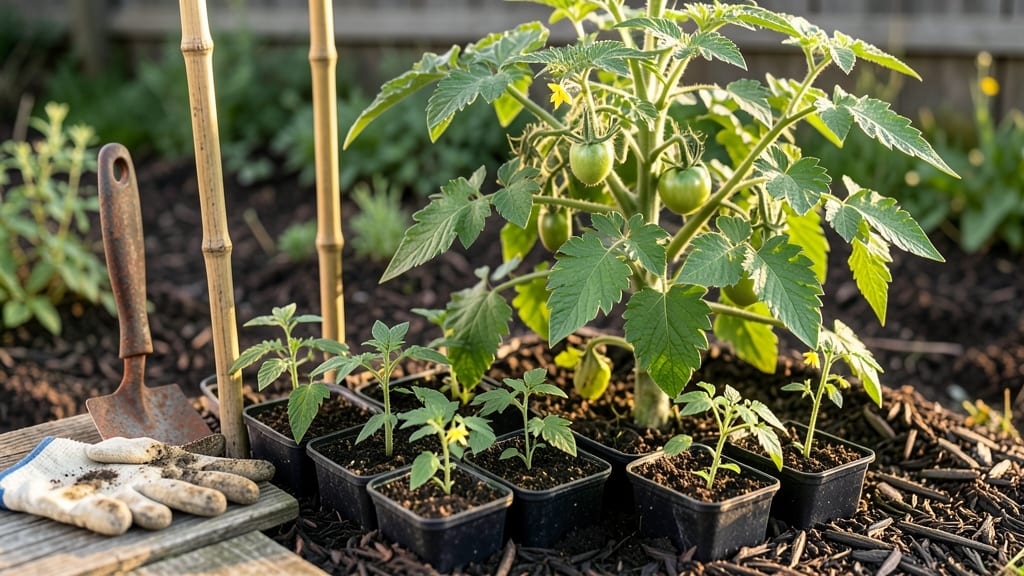
To plant tomatoes in Texas at the right time means avoiding the brutal summer heat and late freezes that can wipe out your crop before it starts.
Picture this: you’ve nurtured seedlings for weeks, only to watch them crisp under a March freeze or bolt in the 100°F July sun. The clock isn’t just about the calendar—it’s about your microclimate, soil warmth, and even which side of the state you’re in.
North Texas gardeners play by one set of rules (think February starts and frost dates in December), while South Texas growers can plant as early as January—but with heat-tolerant varieties. Get it wrong, and you’re left with leafy monsters and no fruit.
Here’s the breakdown: when to start seeds indoors, the exact soil temps to wait for, and how to stretch your harvest with succession planting—all tailored to Texas’ 8a-10b zones.
Texas tomato planting dates by region: frost zones, heat tolerance, and microclimate adjustments
Texas gardeners know timing is everything when planting tomatoes—especially with our unpredictable freezes in spring and scorching summer heat. The right planting window depends on your USDA zone, local frost dates, and even your neighborhood's microclimate.
In North Texas (Zones 7-8), you might plant as early as mid-February, while South Texas (Zones 9-10) gardeners can start in late winter. But don't just follow the calendar—soil temperature and heat tolerance matter just as much.
Your last frost date is your first clue, but it's not the whole story. For example, urban heat islands in Dallas can push planting dates 2-3 weeks earlier than rural areas, while high desert regions like Lubbock may need later starts.
Coastal areas benefit from moderating breezes that delay summer heat stress, while inland zones face earlier extreme heat. Understanding these factors helps you avoid frost damage or heat stress that can ruin your harvest.
Here’s a breakdown of optimal planting windows by Texas region, including adjustments for microclimates and heat-sensitive varieties. Use this as your guide to time your plantings for maximum success.
🌱
In North Texas (Zones 7-8), where winters can still bring hard freezes, I recommend starting heat-sensitive varieties like 'Celebrity' or 'Better Boy' indoors by late January. Transplant seedlings after your last frost date, typically around February 15, but wait until soil temperatures reach 60°F+.
For urban heat islands like Dallas or Fort Worth, plant 2-3 weeks earlier than rural areas—those extra degrees of heat can give your tomatoes a head start.
For Central Texas (Zones 8-9), where summers are long and hot, focus on heat-tolerant varieties like 'Solar Fire' or 'Heatmaster.' Start seeds indoors in late February and transplant in March, but be ready to provide afternoon shade during peak summer months.
In the Hill Country, delay planting by 1 week to avoid early heat stress, while cities like Austin can handle earlier starts due to urban warmth.
Gardeners in South Texas (Zones 9-10) have the longest growing season, but summer heat can still be brutal. Plant early varieties like 'Early Girl' in late January for a spring harvest, then switch to heat-resistant types for fall.
The Rio Grande Valley can even extend fall planting into October, thanks to its milder winters. Just be prepared for humidity-related diseases like early blight—use drip irrigation and mulch to keep foliage dry.
Coastal areas benefit from moderating breezes that delay summer heat, allowing for earlier spring plantings. In Galveston or Corpus Christi, start seeds in late February and transplant by early April. However, sheltered spots like behind buildings may need a 1-week delay to avoid heat stress.
Always monitor soil temperature—it’s the true indicator of when it’s safe to plant, not just the calendar.
Pro tip: Use black plastic mulch to warm the soil faster in cooler regions, but avoid it in extreme heat—it can overheat roots. Instead, opt for straw mulch to retain moisture and regulate temperature.
And remember, succession planting is key in Texas—stagger your plantings every 2 weeks to extend your harvest season.
☀️
How to time your tomato planting for maximum yield: soil temperature, seedling hardiness, and heat avoidance
Timing your tomato planting in Texas isn't just about checking a calendar—it's about reading your soil temperature and understanding your local microclimate. Tomatoes need warm soil (at least 60°F) to germinate and steady warmth (above 70°F) to thrive.
In Texas, this means avoiding both late freezes and scorching summer heat, which can stress even the hardiest varieties.
Start by testing your soil—if it's below 60°F, your seeds will sit and rot. In North Texas, this usually means waiting until mid-April, while South Texas gardeners can plant as early as February.
But don't rush—seedling hardiness matters too. Young plants can't handle extreme heat or cold snaps, so timing is everything.
- 🌱 Start seeds indoors 6-8 weeks before last frost (typically February for most of Texas). Use grow lights if natural light is weak.
- 🌡️ Wait for soil temps of 60°F+ to plant seeds directly or transplant seedlings. Use a soil thermometer—don’t guess!
- ☀️ Transplant seedlings when nighttime temps stay above 50°F and soil is 70°F+. North Texas: late April; South Texas: February-March.
- 🌿 Avoid peak summer (June-August) for traditional varieties. Use shade cloth (30-50%) or opt for heat-tolerant types like 'Celebrity' or 'Solar Fire'.
- 🔄 Succession plant every 2-3 weeks in spring/fall to extend harvests. Space plants 18-24 inches apart for airflow.
- 🌡️ Monitor heat stress: Wilting leaves or blossom drop? Mulch with straw and water deeply in the morning.
For fall planting, aim for August-September to avoid summer's worst heat. Seedlings planted in late summer can produce fruit before first frost, which in North Texas often hits by December.
In South Texas, where winters are milder, you might even get a winter harvest if you plant in October.
Don’t overlook heat-tolerant varieties like 'Heatmaster' or 'Arkansas Traveler'. These can handle 90°F+ temps better than standard varieties, but they still need consistent water and mulch to protect roots. If you’re growing in containers, choose determinate varieties (like 'Roma') for easier heat management.
Pro tip: Use black plastic mulch to warm soil faster in spring, but remove it by June to prevent overheating. And always harden off seedlings for a week before transplanting—gradually expose them to outdoor conditions to avoid shock.