
Plants
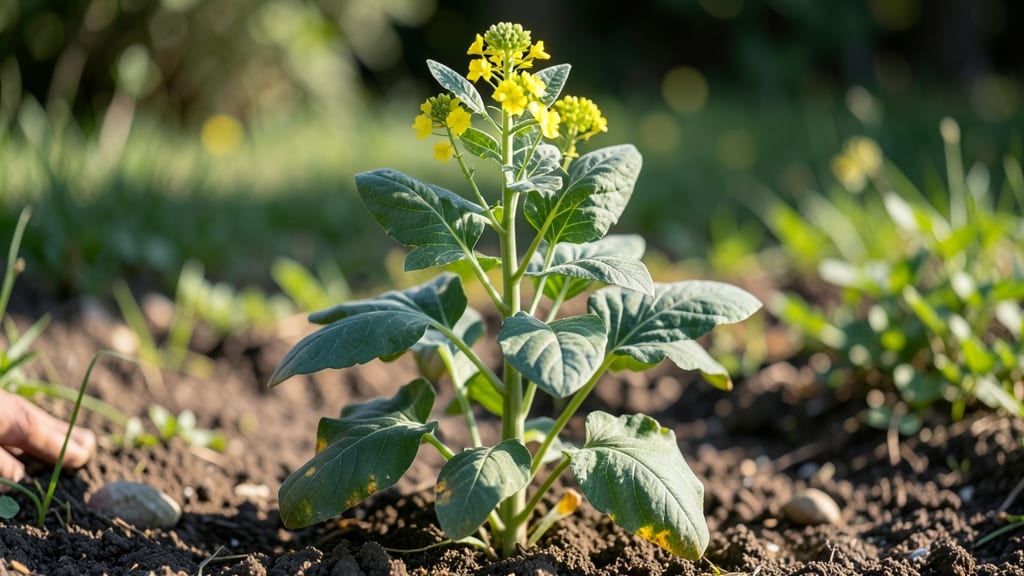
How tall do mustard plants grow? They range anywhere from 8 inches to over 3 feet, depending on the variety and growing conditions 🌱 — a range that can make all the difference in how you plan your garden layout.
If you’ve ever squeezed too many leafy greens into a small pot only to watch them stretch toward the sky, you know how quickly mustard plants can outgrow their space.
Some bolt-resistant types reach 36 inches, while dwarf varieties stay compact at just 12 inches, making them perfect for containers or tight beds.
This height variation isn’t just about aesthetics—it affects how you space plants, when you harvest, and even whether they’ll bolt before you can enjoy them. Below, I’ll break down the height differences by type, plus tips to keep your mustard thriving at the right size.
Whether you’re growing mustard for spicy greens, seed pods, or even ornamental appeal, knowing these heights helps you maximize your harvest without sacrificing space. Let’s dive into the specifics so you can pick the perfect variety for your garden.

Mustard plant height by variety: dwarf to giant options
Mustard plants (Brassica juncea) come in a stunning range of heights, from compact leafy greens perfect for containers to towering varieties that reach waist height. The right choice depends on your space and goals—whether you're growing for tender baby leaves or mature seed pods.
Understanding these differences helps you avoid overcrowding and bolting while maximizing your harvest.
For example, dwarf varieties like 'Tendergreen' stay under 12 inches tall, making them ideal for windowsill gardens, while tall varieties like 'Southern Giant Curled' can stretch up to 36 inches.
Even within the same family, growth habits vary—some stay bushy, while others grow upright. Let’s break down the key categories so you can pick the perfect fit for your garden layout.
If you're growing mustard for baby leaves, dwarf varieties like 'Tokyo Bekana' (10 inches) are perfect for cut-and-come-again harvesting. Their low stature means you can fit more plants in tight spaces, and they bolt less quickly in warm weather.
These are also great for interplanting with slower growers like carrots or radishes.
For seed production or mature leaf harvests, taller varieties like 'Southern Giant Curled' (36 inches) shine. These plants develop bold, crinkled leaves and sturdy stems that resist lodging.
However, their height requires more space—plan for at least 18 inches between plants to prevent competition. In small gardens, consider growing them along fences or trellises to save space.
One common mistake is assuming all mustard plants have the same growth pattern. Leaf varieties (like 'Red Giant') stay shorter and bushier, while pod varieties (like 'Mustard Spinach') grow taller and straighter.
This difference affects not just height but also harvest timing—leaf types mature faster (30–45 days) compared to pod types (50–60 days).
For container gardening, choose dwarf or semi-dwarf varieties to avoid root-bound stress. A 5-gallon pot can comfortably hold 3–4 'Tendergreen' plants (8 inches tall), while a 10-gallon pot might fit 2–3 'Southern Giant' plants if pruned regularly. Always ensure pots have drainage holes to prevent root rot from overwatering.
In raised beds, taller varieties benefit from succession planting. Start with dwarf varieties in early spring for quick harvests, then follow with taller types in late spring or early fall.
This staggered approach keeps your garden productive year-round while managing height variations. Just remember: taller plants need more sunlight—place them in the bed’s sunniest spots.
If you're new to mustard gardening, start with a mix of heights to test what works best in your space. For instance, grow 'Tokyo Bekana' (10 inches) alongside 'Southern Giant' (36 inches) to compare yields and growth habits.
You might discover that your microclimate favors one type over another—perhaps dwarf varieties bolt less in your hot summers.
Pro tip: Use plant markers to track varieties by height. Label each row with the variety name and expected mature height to avoid confusion during harvests. This simple step saves time and prevents accidental overcrowding as plants mature.
How mustard plant height affects growth habits and harvesting
Mustard plants aren’t one-size-fits-all—their height dramatically impacts how you grow and harvest them. Taller varieties like 'Southern Giant Curled' can reach 36 inches, while dwarf types like 'Tendergreen' stay under 12 inches.
This height difference affects everything from maturity time to leaf production and even how quickly they bolt.
Shorter mustard plants mature faster—often in just 30-40 days—because their energy focuses on leaf growth rather than vertical expansion. Taller varieties, however, may take 50-60 days to reach harvest size, but they produce larger, more robust leaves perfect for stir-fries or salads.
The trade-off? They’re also more prone to bolting in hot weather.
Here’s the key takeaway: your mustard’s height determines your spacing needs, pruning strategy, and even whether you can grow them in containers or need in-ground beds. Get this right, and you’ll avoid overcrowding, leggy growth, and wasted harvests.
🌱 Mustard Height Guide: What You Need to Know
8–12" (dwarf) to 36" (tall)
Taller = slower maturity, more leaves
12" apart for dwarfs, 18–24" for tall
Spacing is where height becomes critical. Dwarf mustards thrive in containers or tight rows (8–12 inches apart), while tall varieties need 18–24 inches to avoid competition. I once crammed 'Southern Giant' into a 10-inch pot—big mistake! The plants grew leggy and sparse because they couldn’t access enough nutrients or sunlight.
Pruning also shifts with height. For leafy varieties, I harvest outer leaves to encourage bushier growth, while taller, pod-producing types benefit from topping (removing flower stems) to redirect energy to leaves. Skipping this step can turn your 3-foot mustard into a bolt-prone tower with bitter leaves.
Succession planting is your secret weapon for tall mustards. Since they take longer to mature, I plant new seeds every 2–3 weeks in spring and fall. This ensures a steady supply of fresh leaves without waiting for a single plant to reach full height.
For dwarf varieties, you can even interplant with radishes or lettuce to maximize space.
Watch for bolting signs—yellowing leaves or tall flower stems—and act fast. Tall mustards bolt quicker in heat, but shade cloth or afternoon shade can delay it. I’ve saved many a harvest by moving potted mustards to a shadier spot when temps hit 80°F+.
With the right height awareness, you’ll turn mustard growing from hit-or-miss to a reliable, high-yielding garden staple. 🌿