
Plants
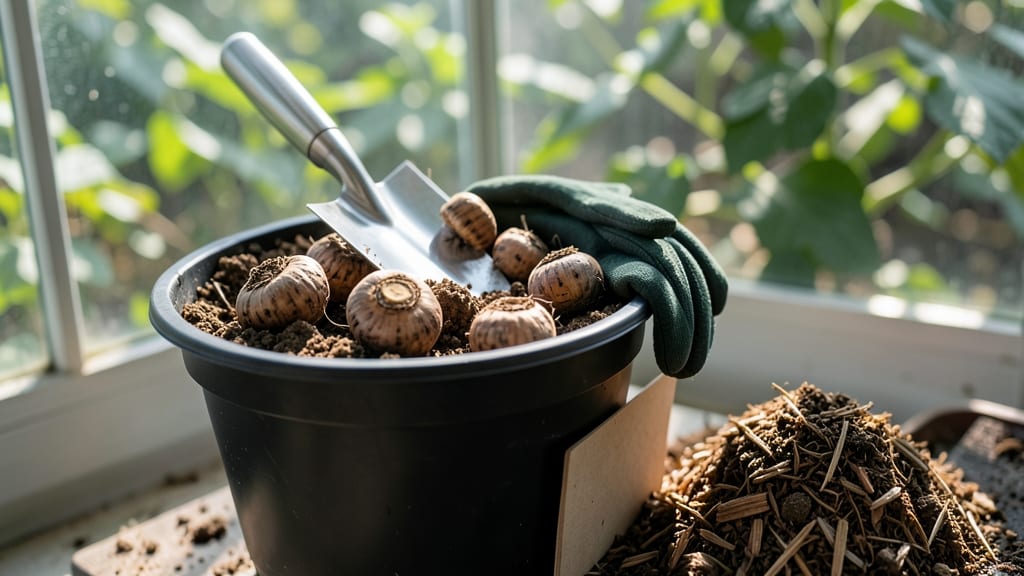
Planting dahlia bulbs in Oregon after the last frost—typically mid-April to early May—sets the stage for months of vibrant blooms 🌼.
But Oregon’s microclimates—from the damp coastal fog to the dry inland valleys—mean the perfect timing can vary by hundreds of miles. Plant too early, and a late frost will nip your tubers. Too late, and your dahlias might bolt before summer even arrives.
This guide breaks down exact planting windows for five key Oregon zones, plus soil prep tricks to outsmart unpredictable springs. Whether you’re in Portland’s rainy shadow or the high desert’s sun, you’ll learn how to time it right for bigger, longer-lasting blooms.
We’ll also cover how to handle Oregon’s soggy springs, the best dahlia varieties for your region, and a 3-step checklist to avoid common pitfalls. Ready to turn your garden into a summer-long flower show?
Oregon’s ideal dahlia planting window by microclimate zone
Oregon’s diverse microclimates create unique challenges for dahlia gardeners. The Coastal region’s chill lingers longer, while the High Desert warms up faster—both extremes demand precise timing. Understanding your zone’s last-frost averages and soil warmth is key to avoiding soggy tubers or stunted growth.
Dahlias thrive when soil temperatures reach 60°F (15°C)—a threshold that varies dramatically across Oregon. Coastal areas often wait until mid-May, while inland zones can plant as early as late April. Let’s break down the ideal planting windows for Oregon’s five distinct regions.
🌱 Summary Table: Oregon’s Dahlia Planting Windows by Microclimate
For Coastal Oregon, where cool, damp springs dominate, start tubers indoors in early April. Use black plastic mulch to raise soil temperatures—this can add critical weeks to your growing season.
I’ve had success with ‘Café au Lait’ dahlias in these conditions, as they tolerate cooler climates better than other varieties.
In the Willamette Valley, where mild winters and wet springs are common, plant after your last frost date—typically mid-April. Amend heavy clay soils with compost and sand to prevent waterlogging.
My garden in Portland thrives when I plant around April 20th, giving dahlias time to establish before summer heat arrives.
The Cascades foothills present unique challenges with their shorter growing seasons. Choose early-blooming varieties like ‘Thomas Edison’ and plant as soon as soil warms. Elevate beds with raised planters to improve drainage—this area’s acidic volcanic soils can stunt root growth if not amended properly.
Gardeners in Eastern Oregon can plant 2-3 weeks earlier than coastal regions, thanks to warmer days and cooler nights. However, dry winds can stress young plants, so mulch heavily with straw and water deeply at planting. I’ve found that drip irrigation works best here to maintain consistent moisture.
Finally, the High Desert offers the earliest planting window but requires extra care due to extreme temperature fluctuations. Plant in late March and use row covers for frost protection. Water at the base of plants to avoid fungal issues from morning dew
How to time dahlia planting for maximum blooms in Oregon’s unpredictable spring
Oregon’s spring weather can be a gardener’s worst nightmare—one day sunny, the next a drenching downpour that turns your soil into mud. Dahlias, with their delicate tubers, need just the right conditions to thrive, which means timing your planting perfectly.
The key isn’t just avoiding frost but also ensuring your soil is warm enough to encourage strong root growth. I’ve learned the hard way that rushing too early can lead to rotting tubers, while waiting too long might shorten your bloom season.
In most of Oregon, mid-April to early May is your sweet spot for planting dahlia bulbs, but this varies wildly depending on your microclimate. Coastal areas like Astoria might need to wait until early May, while inland spots like Bend can start planting in late March.
The goal is to plant when the soil temperature hits at least 60°F (15°C)—this ensures your dahlias won’t sit in cold, soggy soil and rot. Use a simple soil thermometer to check; if it’s cooler, hold off for another week or two.
If you’re in a cooler microclimate, like the Cascades foothills, consider starting your dahlias indoors in late March using grow lights. This gives you a head start and lets you transplant hardened-off plants into the garden once the soil warms up.
For high-desert areas like Prineville, you can plant as early as late March, but be prepared to water deeply to compensate for the dry air. Mulching with straw or wood chips helps retain moisture and keeps roots cool on hot afternoons.
Oregon’s unpredictable spring rains can turn your garden into a swamp, and dahlias hate soggy soil. To avoid waterlogged conditions, plant your tubers on mounds or raised beds if your soil drains poorly.
Amend the soil with compost or perlite to improve drainage, and avoid planting in low-lying areas where water pools. If you’re in the Willamette Valley, where spring rains are relentless, consider using drip irrigation to keep soil moisture consistent without over-saturating it.
Once your dahlias are in the ground, protect them from late frosts with frost blankets or a mini greenhouse setup. Even after planting, temperatures can dip unexpectedly, especially in Eastern Oregon. A simple cloche over young plants can save them from frost damage.
As your dahlias grow, pinch back the stems to encourage bushier growth and more blooms. This is especially important for tall varieties, which can become top-heavy without proper support.
Remember, the earlier you plant, the longer your bloom season will be. But don’t sacrifice soil warmth for speed—patience pays off with bigger, healthier dahlias.
With these strategies, you’ll be well on your way to a show-stopping summer display of vibrant blooms, no matter where you garden in Oregon. Happy planting! 🌼