
Plants
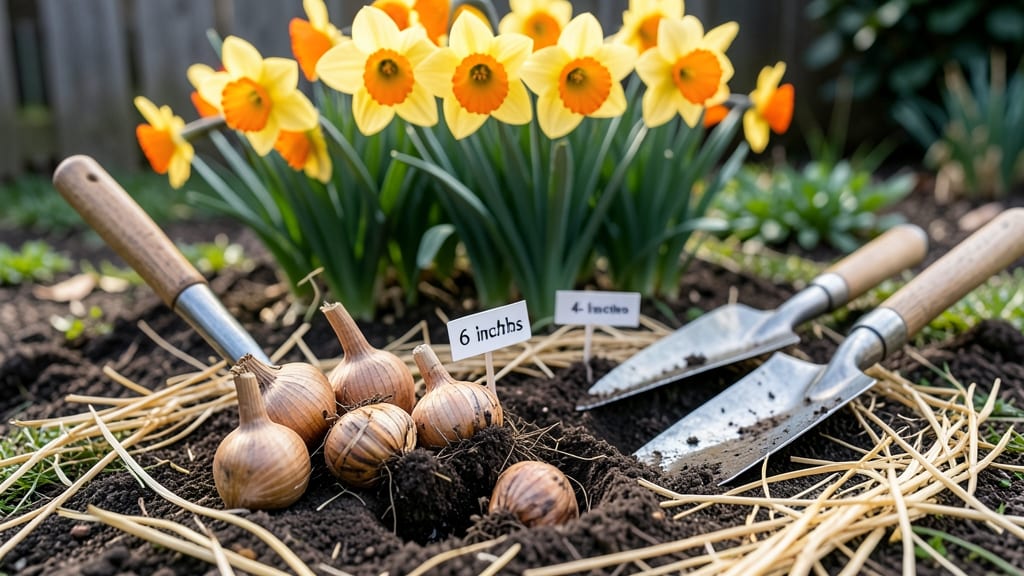
Planting daffodils in Colorado during fall ensures vibrant spring blooms 🌼 — but timing matters more than you think.
Colorado gardeners know timing is everything—plant daffodils too early, and they’ll rot in cold soil; too late, and they’ll miss the ideal bloom window. But with Colorado’s diverse climate zones, the perfect planting window varies by location—here’s how to get it right.
Most Colorado regions (zones 5-7) thrive when daffodils go in the ground between September and November, but high-altitude areas like Aspen may need to adjust by a few weeks. The key is planting 4-6 weeks before the ground freezes, giving roots time to establish before winter.
Below, I break down the best months for your specific zone, how altitude shifts deadlines, and the soil prep tricks that make Colorado’s clay-heavy soil work for these hardy bulbs.
Best months to plant daffodils by Colorado hardiness zones
Colorado’s diverse hardiness zones (USDA 3-7) create unique challenges for daffodil planting. In Zone 5 (Denver, Fort Collins), bulbs need to root before mid-October frost, while Zone 7 (Colorado Springs, Pueblo) offers a longer window until late November.
The key? Plant when soil temps drop to 50-60°F—this triggers bulb dormancy while allowing roots to establish.
For high-altitude gardens (e.g., Aspen, Estes Park), aim for September planting—colder soils mean bulbs must establish roots faster. In urban heat islands (like Denver’s downtown), you might push planting to early October since soil stays warmer longer.
Always check your local last frost date and plant 4-6 weeks before the first hard freeze.
Soil conditions matter just as much as timing. Daffodils thrive in well-draining soil with a pH of 6.0-7.0. Colorado’s clay-heavy soils (common in Boulder County) need amendments like compost or sand to prevent rot.
Test your soil before planting—organic matter improves drainage and helps bulbs survive winter moisture fluctuations.
Here’s your zone-by-zone planting guide, including temperature thresholds and ideal soil prep:
| Zone | Best Planting Month | Soil Temp Threshold | Last Planting Date | Key Consideration |
|---|---|---|---|---|
| 3-4 (Mountain Regions: Aspen, Leadville) | September (early) | 50-55°F | Mid-September | Cold soils; use mulch |
| 5 (Denver, Fort Collins, Boulder) | September-October | 50-60°F | Mid-October | Urban heat delays frost |
| 6 (Colorado Springs, Pueblo) | October-November | 55-65°F | Late November | Warmer soils; extend window |
| 7 (Southern CO: Alamosa, Durango) | November (early) | 60-65°F | Early December | Mild winters; plant later |
In Zone 5, where I garden in Denver, I plant daffodils in late September to ensure roots establish before first frost. Use a soil thermometer to confirm temps—50-60°F is ideal.
For Zone 7 gardens, you can push planting to early November, but avoid waterlogged soils after rain.
Planting depth is critical: 6-8 inches deep for most daffodils, but dwarf varieties need only 3-4 inches. In Colorado’s windy conditions (like on the Front Range), add a 1-inch layer of mulch after planting to protect bulbs from temperature swings.
Avoid organic mulches like straw—they can attract rodents to your bulbs.
After planting, water deeply once to settle soil around bulbs, then reduce watering until spring. Daffodils store moisture in their bulbs, so overwatering in fall can cause rot. In high-altitude areas, where evaporation is rapid, a light mulch of pine needles helps retain moisture without smothering bulbs.
One common mistake? Planting daffodils in spring. While possible, spring-planted bulbs often bloom poorly because they lack the root establishment time of fall planting. If you miss the fall window, store bulbs in a cool, dark place (like a garage) until next fall. Never refrigerate—this can damage bulbs.
For container gardening in Colorado, use well-draining pots and plant daffodils in fall just like in-ground bulbs. Move containers to a protected location (like a garage) before freezing temps hit. In Zone 4 mountain regions, consider heating cables for containers to prevent bulb death.
Remember: patience pays off. Daffodils planted in fall will reward you with vibrant spring blooms—often the first flowers to appear after winter’s chill. Time your planting right, and you’ll enjoy months of color before summer annuals even think about blooming. 🌼
How Colorado’s altitude and microclimates affect daffodil planting
Colorado’s dramatic elevation changes create unique microclimates that shift daffodil planting windows by 2-4 weeks. In Pueblo (4,700 ft), soil warms faster, while Aspen (8,000 ft) stays cold longer—meaning your neighbor’s perfect timing might be too early or late for you.
Even Denver’s urban heat island can accelerate bulb growth by 10-14 days compared to rural areas.
At lower elevations (3,500–5,000 ft), like Pueblo or Colorado Springs, daffodils thrive when planted late September to early October. The soil stays workable longer, giving bulbs time to root before winter.
But at higher elevations (7,000+ ft), such as in Aspen or Leadville, you’ll need to plant 4-6 weeks earlier—by mid-August to early September—to avoid frozen ground.
The urban heat island effect in Denver can trick gardeners into planting too late. Concrete and pavement absorb heat, keeping soil 5–10°F warmer than rural areas. This means daffodil bulbs may sprout 2 weeks earlier in city gardens.
To adjust, plant 1–2 weeks earlier in urban areas or monitor soil temperatures with a soil thermometer (ideal: 50–60°F).
For high-altitude areas, like those near Vail or Breckenridge, prioritize early planting and use mulch (4–6 inches) to insulate bulbs. The shorter growing season means bulbs need every advantage to establish roots before first frost.
In these zones, aim to plant by late July for Zone 4–5 varieties.
Pro tip: Check your local frost dates (via Almanac.com) and plant 6–8 weeks before the first expected frost. In Pueblo, this might be early October, while in Aspen, it’s mid-September. Adjust for microclimates—like south-facing slopes (warmer) or north-facing yards (cooler)—to fine-tune your timing.
Remember, daffodils are hardy, but consistency is key. Whether you’re in Pueblo’s desert-like climate or Aspen’s alpine air, planting at the right time ensures vibrant blooms next spring. 🌼